
From Grain to Grain: The Art and Science of Cereal Milling
In a world where convenience often overshadows craftsmanship, few processes are as foundational and transformative as cereal milling. This intricate dance between art and science takes us on a journey from the golden fields of wheat, barley, and rye to the flours that grace our kitchens. Like skilled artisans, millers harness the power of ancient grains, blending tradition with modern technology to unlock the potential hidden within each kernel. As we delve into the world of cereal milling, we will explore the meticulous techniques, innovative machinery, and the meticulous care required to produce the diverse range of flours that feed our global population. Join us as we uncover the secrets behind this age-old craft,the pivotal role it plays in our food systems,and the future of milling in a changing world.

Exploring the Transformation Process: Understanding the Journey of Grains
As grains journey from field to table, they undergo a fascinating transformation that merges both art and science. The initial phase begins with careful harvesting, where precision is key to ensuring that the grains maintain their quality and nutritional value. Once harvested, grains are subjected to a thorough cleaning process to remove impurities such as dirt, stones, and other foreign materials. This crucial step ensures that only the best grains proceed to milling, setting the stage for the exquisite flavors and textures that will later emerge.The art of selection involves evaluating factors such as moisture content and kernel integrity, allowing millers to achieve the desired end products.
After the cleaning phase, the transformation accelerates through the milling process, where grains are ground into flour, semolina, or other products. The milling process itself can take several forms,including stone milling,roller milling,and hammer milling,each offering distinct characteristics to the final product.The selection of milling technique greatly influences the flour’s protein content, texture, and suitability for different culinary applications. Throughout this journey, careful monitoring of temperature and humidity is essential, as these factors substantially impact the quality of the final product. The relationship between engineering principles and the miller’s intuition becomes evident as they skillfully navigate the delicate balance of maintaining grain integrity while achieving optimal grind.
| Milling Method | Description | best For |
|---|---|---|
| Stone Milling | Conventional method using stones to gently crush grains | Whole grain flours with rich flavor |
| Roller Milling | Modern technique using steel rollers to refine grain. | White flours with fine texture |
| Hammer Milling | High-speed impact milling that grinds grains into flour | Coarse flours and animal feed |
The Mechanics of Milling: Techniques that Define Quality and Efficiency
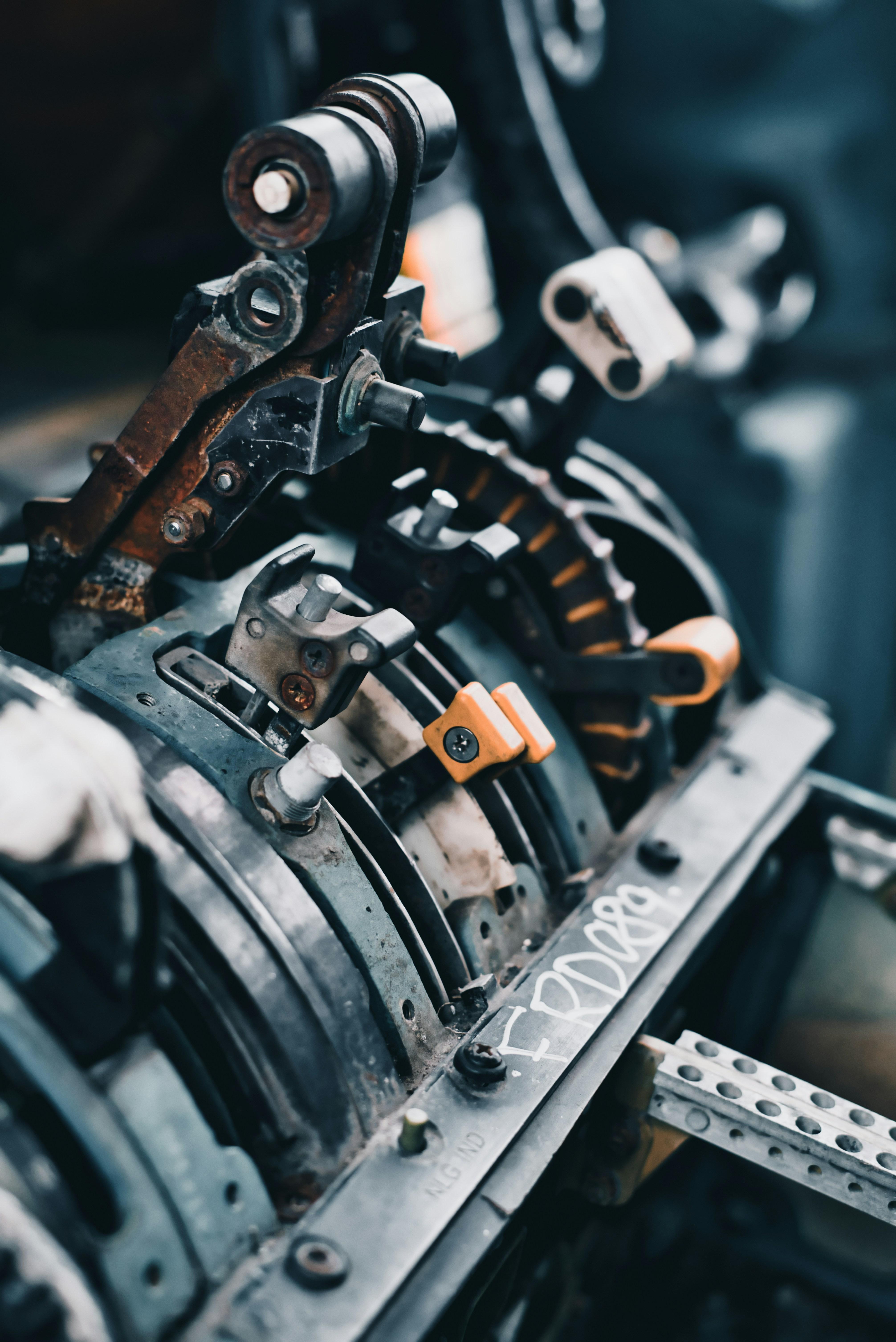
Milling is a delicate balance of art and science, blending traditional methods with cutting-edge technology to transform raw grain into high-quality flour. At its core, the process relies on several key techniques that directly influence the final product’s quality and efficiency. Among these techniques, impact milling, roller milling, and stone milling stand out, each offering unique advantages. Impact milling uses high-speed blades to finely grind grains, while roller milling employs a series of cylindrical rollers to crush and shear the grain, optimizing flour extraction. In contrast, stone milling retains more of the grain’s natural oils and nutrients, resulting in a flour that manny bakers prefer for its rich flavor profile.
To effectively measure and compare the quality and efficiency of these milling techniques, several factors come into play, including flour yield, particle size, and nutrient retention. The following table summarizes these characteristics across the different methods:
| Milling Technique | Flour Yield (%) | Particle Size (Microns) | Nutrient Retention (%) |
|---|---|---|---|
| Impact Milling | 70-85 | 50-200 | 70 |
| Roller Milling | 80-90 | 20-100 | 65 |
| Stone Milling | 65-80 | 100-300 | 85 |
Choosing the right milling technique depends on desired outcomes, reflecting an understanding that quality flour is not just about grinding but also about preserving the integrity of the grain. By carefully selecting and applying these methods, millers can produce flour that meets specific culinary needs, enhancing everything from bread to pastries, and ensuring that each batch is a testament to the harmony of quality and efficiency.
Nutritional Impact: How Milling Influences the Health Benefits of cereals
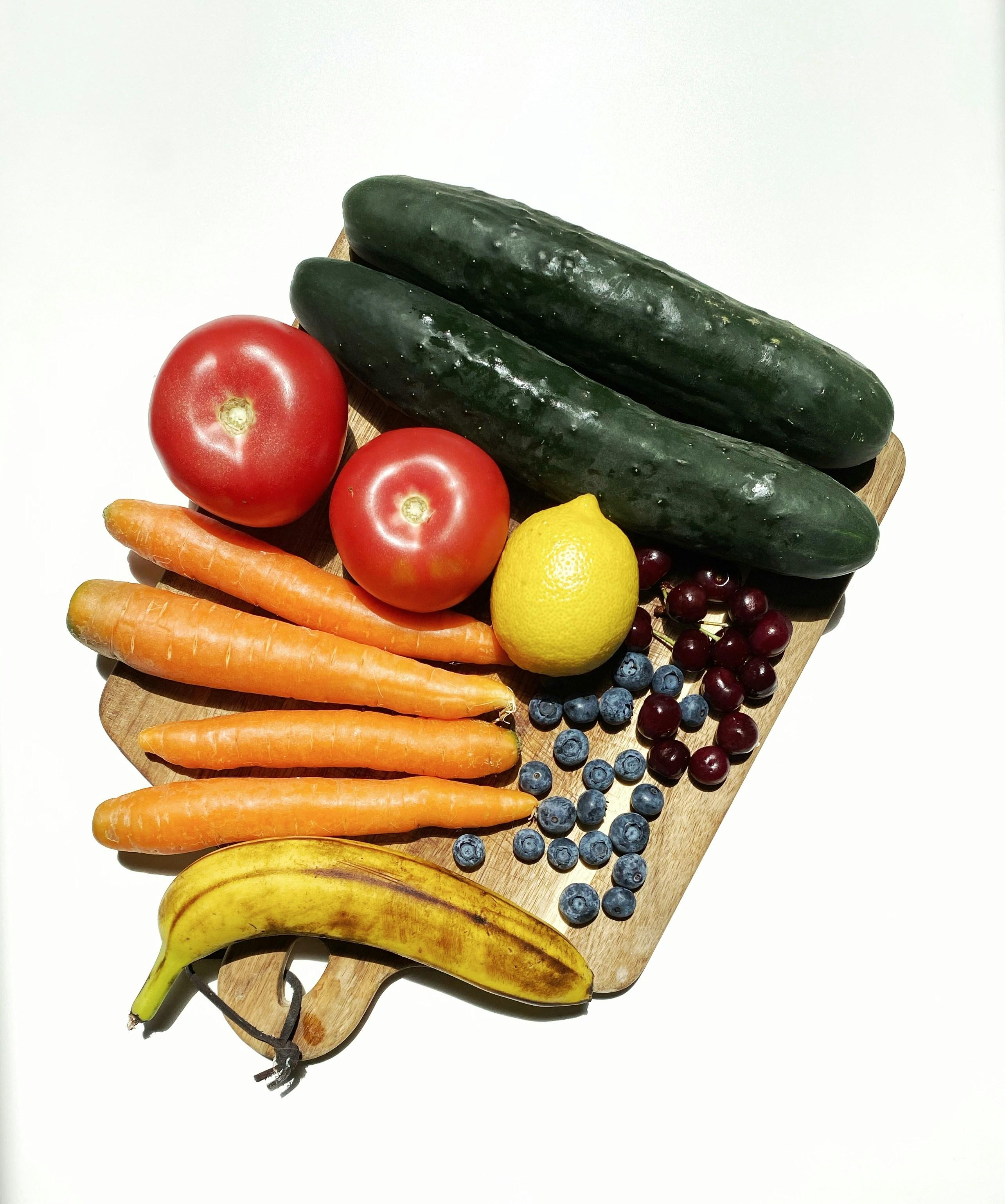
Milling is more than just a mechanical process; it deeply influences the nutritional profile of cereals, affecting the health benefits they offer.When whole grains are milled, bran and germ—the parts of the grain that are rich in fiber, vitamins, and minerals—may be discarded. This can lead to notable losses in essential nutrients, diminishing the wholesome properties of cereals. The critically important nutrients compromised during milling frequently enough include:
- Fiber: Essential for digestive health and regulation of blood sugar levels.
- B Vitamins: Crucial for energy production and brain health.
- Minerals: Such as iron and magnesium that support various bodily functions.
Conversely, when cereals are milled with a focus on retaining these vital components, the resulting products can provide a wealth of health benefits. as an example, modern milling techniques emphasize the production of whole grain flours that preserve the inherent goodness of the grain. This method enhances not only nutritional value but also flavor and texture, making cereals more appealing and beneficial. A comparison of refined versus whole grain options highlights these differences:
| Cereal Type | Fiber (g) | B Vitamins (% DV) | iron (% DV) |
|---|---|---|---|
| Refined Grains | 1.0 | 10% | 3% |
| Whole Grains | 4.0 | 20% | 10% |
Emphasizing whole grain consumption is linked to various health benefits, including decreased risks of heart disease and improved weight management. Ultimately, understanding the intricate relationship between milling methods and the nutritional attributes of cereals can empower consumers to make informed choices that promote better health.
Sustainable Practices in Milling: Innovations for a Greener Future
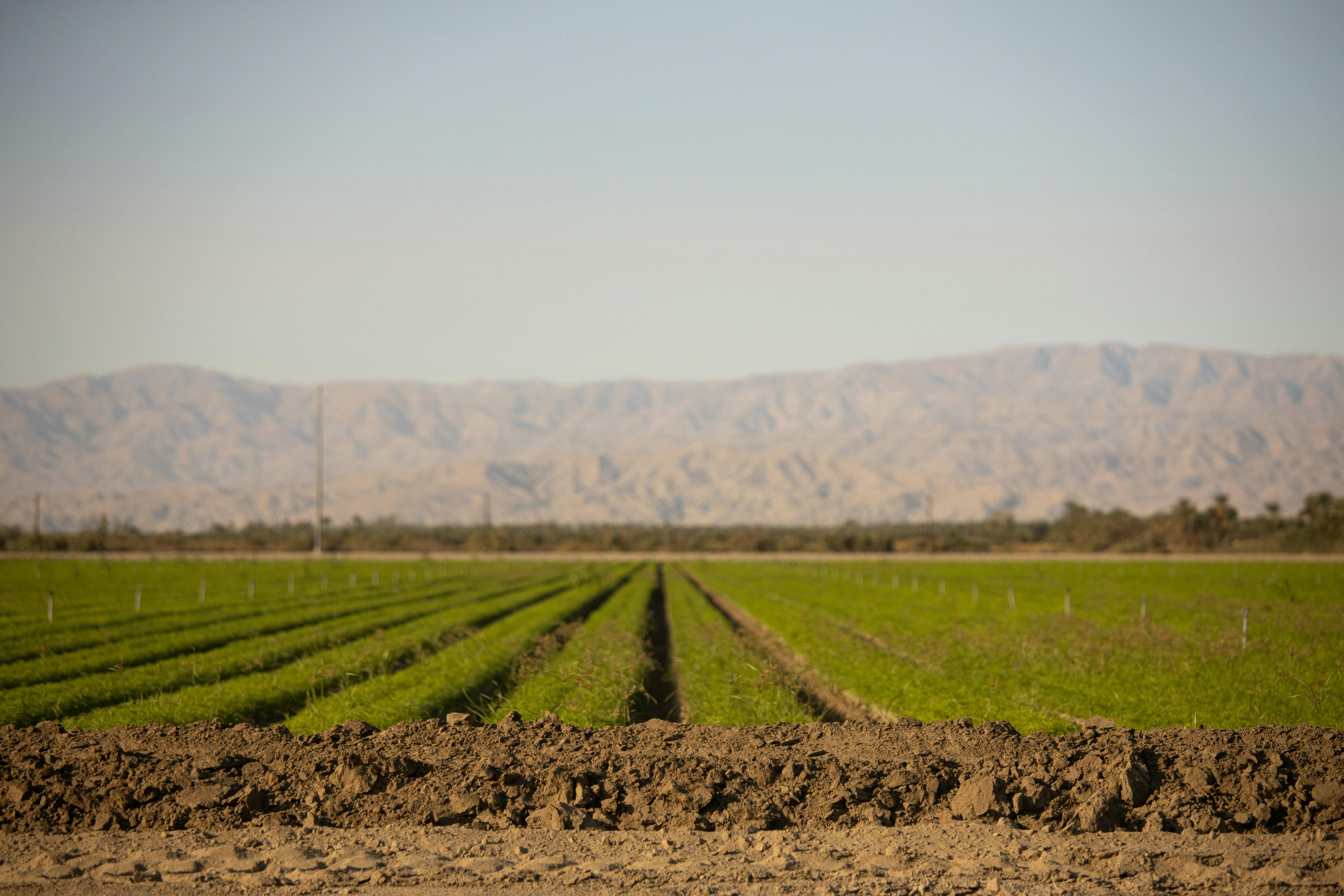
As the demand for more environmentally amiable food production increases, the milling industry is rising to the challenge with innovative approaches designed to minimize waste and energy consumption.By adopting energy-efficient technologies, mills are now capable of optimizing their processes to reduce carbon footprints significantly. Key innovations include:
- Renewable Energy Sources: Incorporation of solar panels and wind turbines into milling operations.
- Water Recycling Systems: Implementing closed-loop systems to purify and reuse water used in the milling processes.
- Waste byproduct Utilization: Converting milling byproducts into animal feed or bioenergy.
Continuous advancement in milling practices also extends to the quality of grain processing, where precision technologies play a critical role.Advanced milling equipment, such as automated grain sorting and real-time moisture monitoring, not only enhance the quality of the end product but also contribute to reduced waste and energy use during production. Here’s a look at some of the most effective sustainable technologies:
| Technology | Benefit |
|---|---|
| Hybrid Mills | Combining traditional and modern techniques to maximize yield. |
| Smart Sensors | Providing real-time data to optimize the milling process. |
| Biodegradable Packaging | Minimizing plastic waste in product distribution. |
Insights and Conclusions
As we conclude our journey through the intricate world of cereal milling, we find ourselves at the confluence of art and science, where tradition meets innovation. Each grain that enters the mill carries with it not just potential, but history—an ancestral legacy shaped by the hands of farmers, millers, and artisans alike.The transformation from grain to flour is a process steeped in both meticulous craftsmanship and cutting-edge technology. Whether it’s the gentle grind of a stone mill or the whirring precision of a modern roller mill, this age-old endeavor continues to evolve, adapting to both the needs of the present and the visions of the future.
As we reflect on the nuances of milling, we are reminded that it is indeed more than just a means to an end; it is a symbiotic relationship with nature, a celebration of biodiversity, and an ongoing dialogue between cultures across the globe.The next time you savor a loaf of bread or a bowl of cereal, take a moment to appreciate the intricate journey that brought these simple pleasures to your table. From grain to grain, the art and science of cereal milling not only nourish our bodies but also connect us to a rich tapestry of heritage, skill, and the ongoing quest for culinary excellence.



