
In the heart of countless kitchens and on the tables of communities around the world, maize stands as one of humanity’s moast cherished staples. from the vibrant fields where golden cobs sway in the breeze to the bustling mills that transform thes humble grains into fine flour, the journey of maize milling is a interesting odyssey worth exploring.This article delves into the intricate process that begins with a simple ear of corn and culminates in the versatile flour used in diverse culinary creations. As we peel back the layers of this ancient grain’s transformation, we will discover the interplay of tradition and technology, the art and science of milling, and the profound impact this process has on our diets and cultures.Join us on this enlightening expedition, as we reveal the secrets behind one of the world’s most vital ingredients.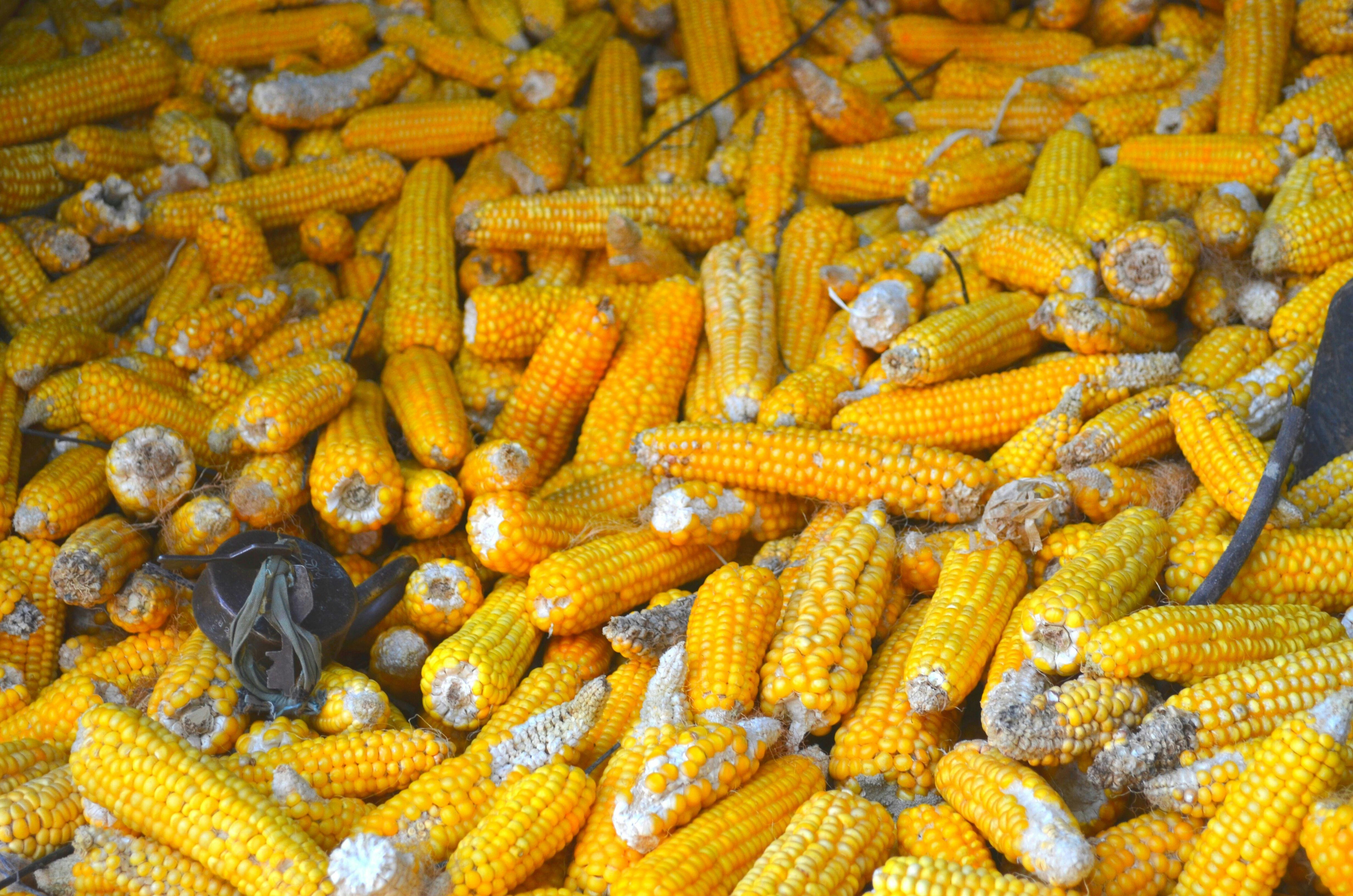
The Art of Maize Selection: Choosing the Right Cob for Optimal Milling
In the intricate world of maize milling,selecting the right cob is a crucial step that can substantially influence the quality of the final flour.The art of maize selection involves not only visual assessment but also a deep understanding of the underlying characteristics of different maize varieties.Key attributes to consider include moisture content, kernel hardness, and grain color. A well-rounded cob should exhibit balanced moisture levels, as excessive moisture can lead to spoilage, while too dry a cob may hinder the milling process.Additionally, the hardness of the kernels is paramount; harder varieties are ideal for producing fine flour, whereas softer varieties might yield grittier results.
Moreover, the color of the maize can also indicate its suitability for specific milling applications. Distinct hues arise from various pigments present in the kernels, each belonging to unique maize cultivars. As an example, yellow maize is often chosen for commercial milling due to its high starch content, while white maize is preferred for specialty flours. To further aid in the selection process, the following table summarizes the attributes of popular maize varieties:
| Maize Variety | Kernel Hardness | Moisture Content | Color |
|---|---|---|---|
| Yellow Dent | Hard | 13-15% | Yellow |
| White corn | Medium | 12-14% | White |
| Blue Corn | Medium | 13-15% | Blue |

Grinding Techniques Unveiled: Understanding the Milling Process and Its Impact on Flour Quality
The milling process is much more than merely grinding grains; it is an intricate technique that significantly influences the quality of flour produced. By utilizing various grinding methods and machinery, millers can control how finely the maize is processed, which ultimately affects the texture and nutritional profile of the flour. Key techniques in this process include:
- Stone Milling: Involves grinding grains between two rotating stones, retaining more nutrients and giving a coarser texture.
- Hammer Milling: Utilizes high-speed rotating hammers to pulverize maize, creating a finer flour typically used for baking.
- Roller Milling: This method employs a series of rollers to progressively crush the maize, allowing for a more controlled and uniform product.
Each of these additional methods has its own distinct impact on the flour’s qualities. For instance,stone-milled flour retains more of the grain’s natural oils and fiber,offering a richer flavor and darker hue. Conversely, roller-milled flour is preferred for its versatility and consistent granulation, making it ideal for a wide range of baked goods. To illustrate these differences,consider the following table:
| Grinding Technique | Texture | Nutritional Content |
|---|---|---|
| Stone Milling | Coarse | High in fiber and nutrients |
| Hammer Milling | medium | Moderate,but enriched options available |
| Roller Milling | Fine | Lower fiber,high starch content |
Understanding these milling techniques paves the way for consumers and bakers to make informed choices about their flour,unlocking the potential for enhanced flavors,nutrition,and texture in their culinary creations.
Nutritional Insights: How Maize Flour Compares to Other Types of Flour
In the realm of gluten-free options, maize flour stands out, offering a unique profile compared to other commonly used flours such as wheat flour, rice flour, and almond flour. while wheat flour is rich in gluten, which contributes to the elasticity in bread and pastries, maize flour is naturally devoid of this protein, catering to those with gluten sensitivities. Furthermore,maize flour is nutrient-dense,providing a good source of essential vitamins and minerals,including Vitamin B6,magnesium,and fiber.
In contrast to other flours, maize flour also imparts a distinctive flavor and a vibrant yellow hue to dishes, making it a versatile ingredient for a variety of culinary uses such as tortillas, cornbread, and polenta. Nutritionally, maize flour has fewer calories than almond flour, but more carbohydrates, while offering a higher fiber content than both rice flour and wheat flour. Below is a simplified comparison of these flours based on nutritional content per 100 grams:
| Flour Type | Calories | Protein (g) | Carbohydrates (g) | Fiber (g) |
|---|---|---|---|---|
| Maize Flour | 365 | 9 | 73 | 7 |
| wheat Flour | 364 | 10 | 76 | 2.7 |
| Rice Flour | 366 | 7 | 80 | 3.0 |
| Almond Flour | 579 | 21 | 20 | 10.6 |
This comparison illustrates how maize flour not only diversifies baking and cooking options but also offers a distinct set of nutritional benefits that can complement a balanced diet. Incorporating it into your meals can enhance flavor and health while embracing a range of culinary traditions.

Sustainable Practices in maize Milling: Recommendations for a Greener Future
To foster an environmentally friendly approach in maize milling, adopting sustainable practices is crucial for the industry’s future. Emphasizing efficiency and waste reduction can significantly decrease the carbon footprint associated with milling operations. A few key strategies include:
- energy Efficiency: Invest in energy-efficient machinery that reduces electricity consumption and ensures a lower environmental impact.
- Water Management: Implement rainwater harvesting systems and recycle wastewater to minimize water usage in milling processes.
- Waste Utilization: Convert milling by-products, such as husks and bran, into animal feed or biofuel, thereby enhancing resource efficiency.
- organic Practices: Source non-GMO and organically grown maize to contribute to sustainable farming practices and promote biodiversity.
Moreover, engaging with local agricultural communities can create a mutually beneficial relationship that supports both maize producers and millers. Collaborating on regenerative farming techniques will nurture soil health and reduce reliance on chemical fertilizers. To provide a visual understanding of the ecological benefits of implementing these sustainable measures,below is a snapshot of their potential impact:
| Practice | Potential Impact |
|---|---|
| Energy Efficiency | Up to 30% reduction in energy costs |
| Water Management | 40% decrease in water usage |
| Waste Utilization | 50% reduction in waste sent to landfills |
| Organic Practices | Enhanced soil health and biodiversity |
In Retrospect
As we conclude our exploration of the fascinating journey from cob to flour,it becomes clear that maize milling is not merely a process,but a lineage of innovation and tradition.Each kernel embodies a story of agricultural heritage and technological advancement,bridging past practices with modern efficiencies. From the vibrant fields where maize flourishes to the intricate machinery that transforms it into the fine flour used in countless culinary delights, this journey encapsulates the essence of food production.
In understanding the complex steps of milling, we gain a deeper recognition for the efforts behind one of the world’s staple ingredients. The simplicity of a humble cob belies the sophistication of its transformation, reminding us that every bite of our favorite baked goods carries with it, not just flavors, but the journeys, histories, and artisans who crafted it.
As we celebrate the interconnectedness of agriculture, technology, and culture, may we always honour the grain—one that nourishes not just our bodies, but our livelihoods and communities. So, the next time you reach for that bag of flour, take a moment to reflect on the incredible journey it represents, a testament to the age-old bond between humanity and the earth, forever intertwined in the dance of creation.



