
Unlocking Breakfast: The Art and Science of Cereal Processing
In the world of morning rituals, few traditions are as universally cherished as the simple yet satisfying bowl of cereal. As the sun rises and the hustle of the day beckons, the allure of crunchy, colorful flakes swimming in chilled milk transforms breakfast into a moment of joy. But what if we told you that this seemingly straightforward meal is the result of a meticulous dance between art and science? “Unlocking Breakfast: The Art and Science of Cereal Processing” invites you to delve into the intricate journey of cereal grains, from the fertile fields to the kitchen table. Explore the innovative techniques that elevate humble grains into beloved breakfast staples, and uncover the meticulous processes that ensure consistency, flavour, and nutrition. Join us as we unravel the layers of complexity behind what happens before the first crunch, and discover how the fusion of tradition and technology shapes the cereals we know and love.
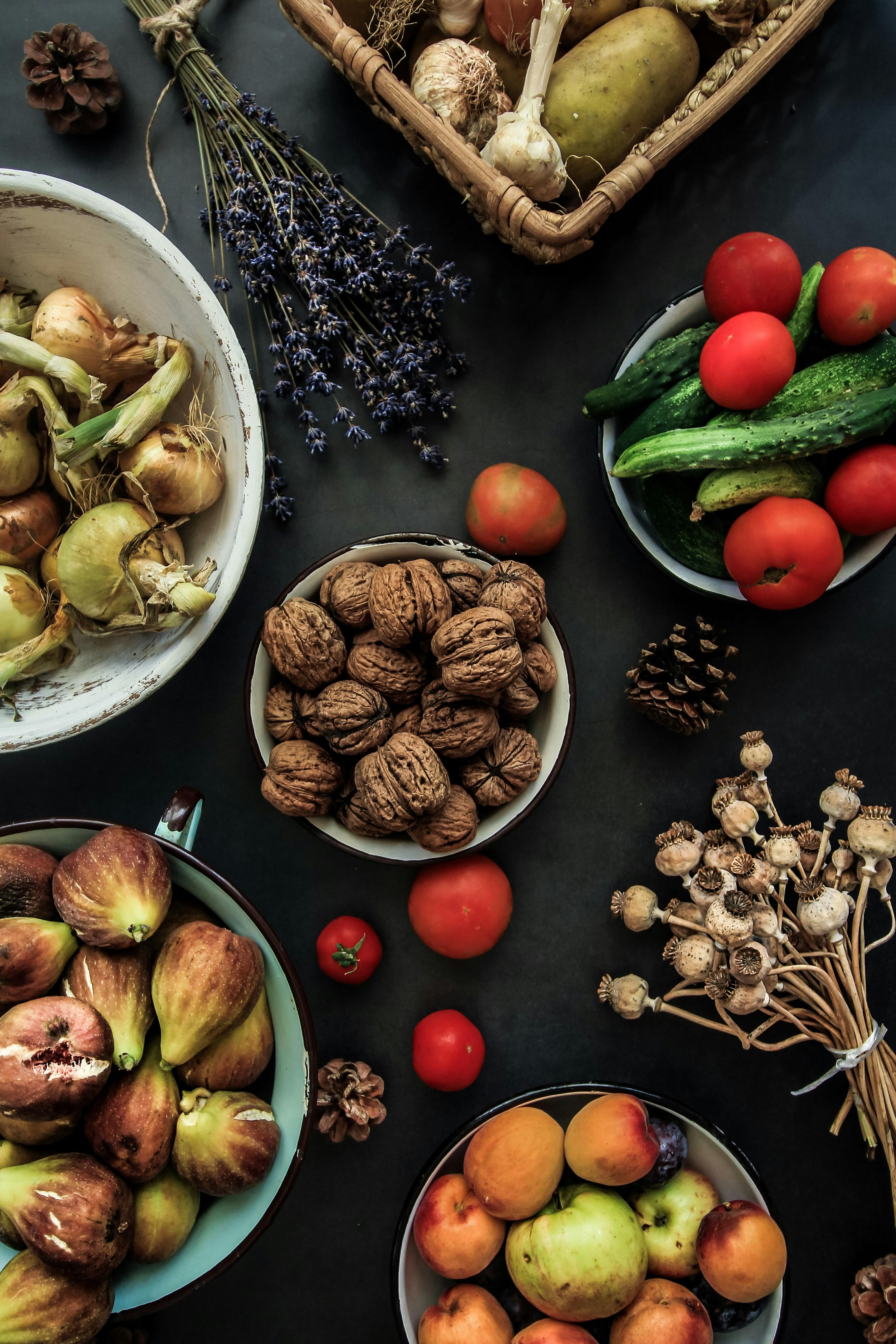
Exploring the Ingredients: The Foundation of Flavorful Cereals
Cereal creation begins wiht a careful selection of high-quality grains, which serve as the backbone of the breakfast staple. Various grains, such as oats, corn, wheat, and rice, each contribute unique textures and flavors to the final product. The choice of grain not only impacts the cerealS taste but also its nutritional profile. For example,oats are renowned for thier heart-healthy properties while corn brings a natural sweetness that appeals to many consumers. The processing of these grains can enhance their digestibility and flavor; think of rolling, toasting, or even puffing techniques that unlock hidden tastes.
beyond grains,a medley of additional ingredients plays a pivotal role in crafting the perfect breakfast experience. These can include:
- Fruits – Dried or freeze-dried fruits like apples, berries, and bananas add natural sweetness and visual appeal.
- Sweeteners – Honey, agave nectar, or even maple syrup can transform the flavor profile, making cereals more enjoyable.
- Flavorings – Spices such as cinnamon or vanilla can bring warmth and richness to the mix.
- Nuts and Seeds – Almonds, walnuts, or chia seeds offer crunchiness while boosting the nutritional value.
Ultimately, the artistry in cereal processing lies in the balancing act of these ingredients, harmonizing taste, texture, and health benefits while keeping consumer preferences in mind.

The Processing Journey: Techniques That Transform Grains
At the heart of transforming humble grains into breakfast favorites lies a engaging array of techniques. From flaking to puffing, each method serves a distinct purpose that enhances texture, flavor, and nutritional value. For instance, in the flaking process, steam softens the grain, making it easier to roll into thin sheets before toasting. This not only adds crunch but also accelerates cooking time. Similarly, puffed cereals are created through rapid heating, causing moisture within the grain to expand and propel, resulting in those delightful, airy bites that kids and adults alike cherish.
The science behind these processes takes into account several key factors that affect the final product, including moisture content, temperature, and pressure. Each cereal type varies in its processing needs, and a well-optimized method ensures that flavors are locked in while undesirable traits are minimized. Some common techniques used in cereal processing include:
- Extrusion: Combining high temperature and pressure for unique shapes and textures.
- Toasting: Enhancing flavor through high-heat treatments that develop a rich aroma.
- Cooking: Swelling the grains for softer breakfast options.
the meticulous nature of these processes reflects an artistry that is as much about science as it is indeed about taste. By carefully selecting techniques, manufacturers can produce cereals that not only cater to diverse consumer preferences but also maintain the inherent benefits of grains.
Nutritional Balance: Crafting Healthy Breakfast Choices
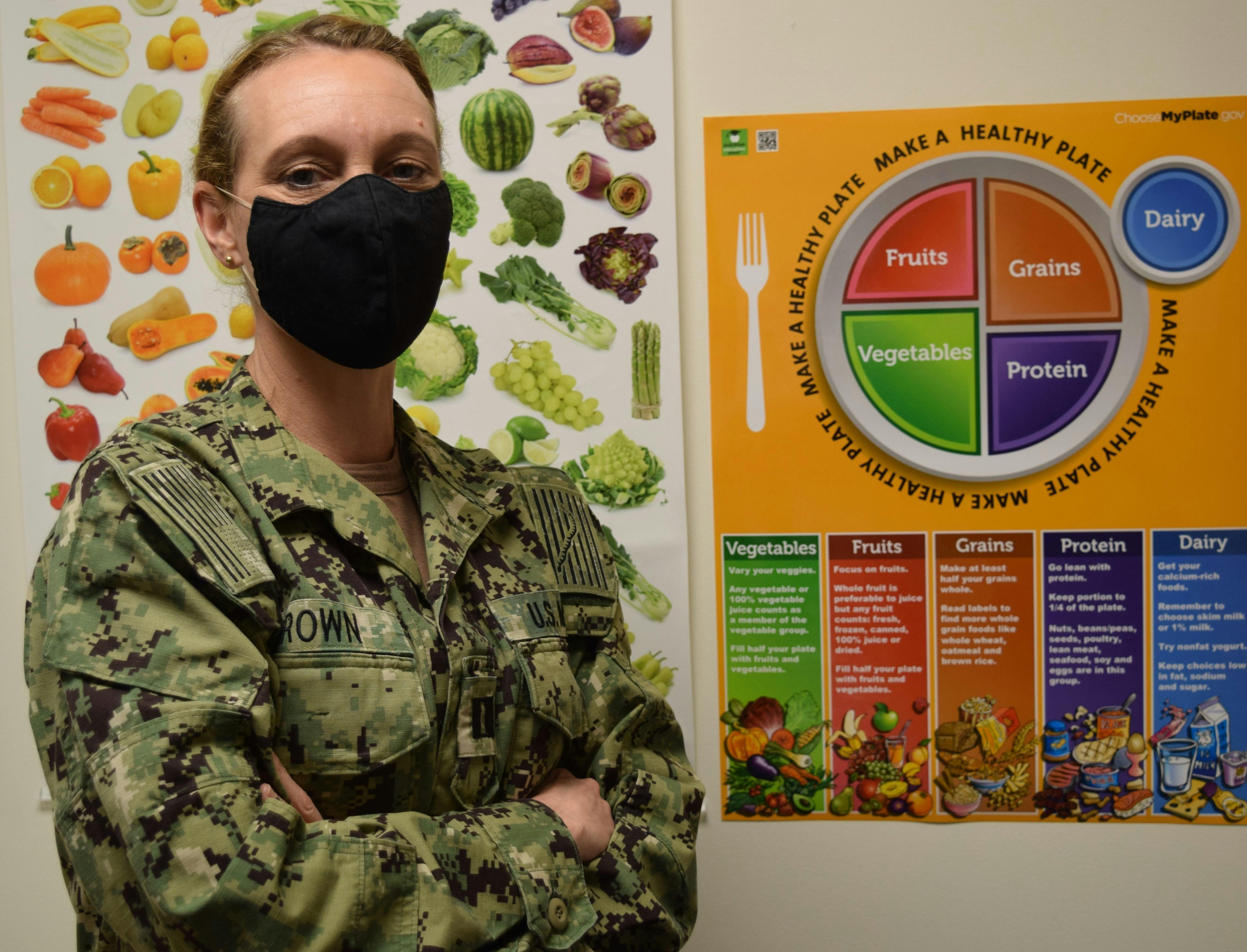
when it comes to creating a wholesome breakfast, achieving nutritional balance is paramount. A well-rounded breakfast should not only fuel your body but also provide essential nutrients to kickstart your day. Consider incorporating a variety of food groups to ensure that your meal is diverse and fulfilling. Here are some components to include for a nutritious breakfast:
- Whole Grains: Opt for cereals made from whole grains to boost fiber intake which aids digestion. Look for options that list whole grains as the first ingredient.
- Protein: Add sources of protein such as Greek yogurt, nuts, or nut butter. This can enhance satiety and contribute to muscle repair.
- fruits: Fresh or dried fruits can add natural sweetness and a burst of vitamins. Berries and bananas are popular choices.
- Dairy or Alternatives: Incorporate milk or plant-based alternatives to provide calcium and vitamin D, contributing to bone health.
To visualize the impact of making conscious breakfast choices, consider the following table that summarizes typical breakfast components and their contributions:
| Component | Benefits |
|---|---|
| Whole Grain Cereal | High in fiber, helps with digestion |
| Greek Yogurt | Rich in protein, supports muscle health |
| Fresh Berries | Loaded with antioxidants, boosts immunity |
| Almonds | Healthy fats, promotes heart health |
By thoughtfully selecting ingredients, you can craft a breakfast that not only meets your dietary needs but also tantalizes your taste buds. Embracing this approach will empower you to enjoy the first meal of the day while ensuring nutritional adequacy.

Sustainability Matters: Eco-Friendly Practices in Cereal Production
In the journey from field to bowl, the cereal industry has begun to embrace a variety of eco-friendly practices that not only reduce environmental impact but also promote a healthier planet. techniques such as crop rotation, organic farming, and precision agriculture are leading the charge, showcasing how lasting practices can be harmonized with cereal production. by prioritizing biodiversity and implementing soil conservation methods, producers are not only enhancing the quality of their grains but also preserving ecosystems for future generations. The shift towards sourcing grains from local farms further minimizes carbon footprints associated with transportation and strengthens local economies.
Additionally, packaging innovations play a vital role in the sustainability conversation, as companies aim to reduce waste and reliance on non-biodegradable materials. some of the prominent strategies include:
- Biodegradable packaging: Using materials that decompose naturally, minimizing landfill contributions.
- Recyclable materials: Ensuring packaging is easily recyclable to promote circular economy practices.
- Reduced plastic use: Transitioning to alternatives that lessen the dependency on conventional plastics.
Transitioning to these eco-friendly practices not only meets consumer demand for sustainability but also ensures that breakfast remains a tasty part of our daily routine, without compromising the health of our planet.
In Summary
As we conclude our exploration of “Unlocking Breakfast: The Art and Science of Cereal Processing,” it becomes clear that the humble cereal bowl is a tribute to human ingenuity.Behind every crunchy flake and colorful puff lies a meticulous process that harmoniously blends nature and technology. From the earliest grains harvested by ancient civilizations to today’s innovative formulations, cereal processing stands at the crossroads of tradition and modernity.
Each step in the journey—from milling and toasting to flavoring and packaging—exemplifies a dedication to quality and nutritional science. by understanding the intricacies of cereal production, we gain not just insight into our morning routines but also an appreciation for the meals that fuel our day. So, the next time you pour a bowl of your favorite cereal, remember: it’s not just a quick breakfast; it’s a testament to the art and science that have unlocked the many possibilities of our first meal. Here’s to the cereal craftsmen and scientists who continue to shape our mornings, one delicious bite at a time.



