
Unlocking the Secrets of the Rice Polisher: A Culinary Essential
In the heart of countless kitchens, nestled among the gleaming pots and pans, lies a humble yet powerful tool—the rice polisher. Often overshadowed by more glamorous culinary equipment, this seemingly simple device plays a pivotal role in elevating one of the most staple foods in the world. With roots deep in Asian culinary traditions, the rice polisher is a testament to the intricate relationship between technique and flavor. But what exactly does it do, and why is it considered an essential for both home cooks and professional chefs alike? This article delves into the fascinating world of rice polishing, exploring its history, mechanics, and the secrets it unlocks for creating perfect grains that tantalize the palate. Whether you’re a seasoned chef or an keen novice, understanding the rice polisher may just transform your approach to cooking and enhance your recognition for this grain that feeds billions.

Understanding the Science Behind Rice Polishing Techniques
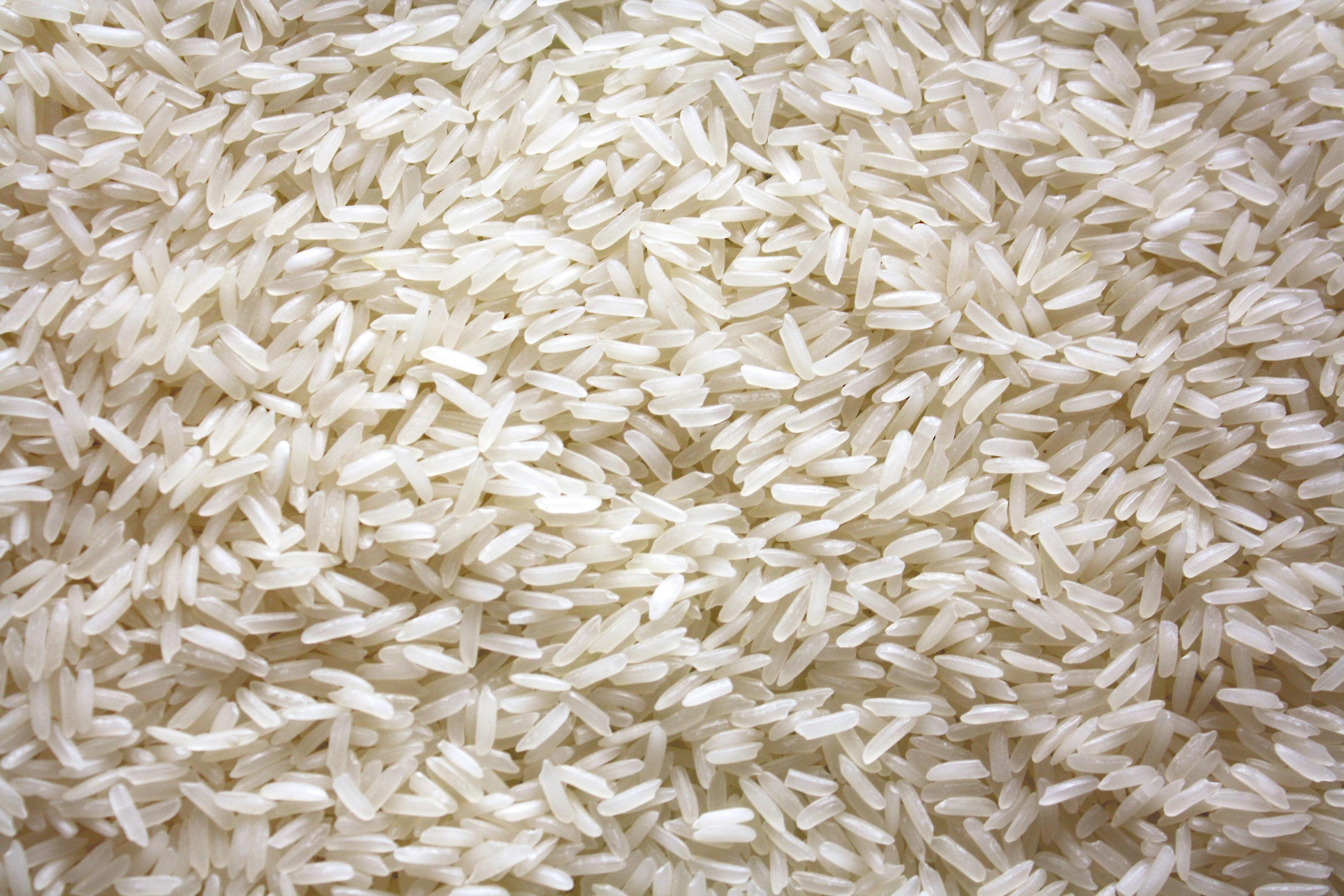
At the heart of rice polishing techniques lies a fascinating interplay of science and tradition. By understanding the physical and chemical properties of rice grains, we can appreciate how different polishing methods enhance the grain’s quality and flavor.When rice is harvested, grains are covered with an outer layer known as the husk, which protects them but also imparts a somewhat rough texture.Polishing, or milling, removes this husk and several layers of bran, resulting in polished rice, often considered more palatable. Thru various methods, such as customary stone milling or modern technology, the grain’s bran layers are removed to achieve differing textures and tastes while retaining essential nutrients and flavors.
Several key factors influence the efficacy and impact of rice polishing techniques:
- Polishing Method: Different polishing equipment, such as stone grinders or mechanical polishers, yield varying results in texture and taste.
- Degree of Polishing: The extent to which the outer layers are removed affects the nutritional profile of the rice. More polishing may lead to a loss of fiber and vitamins.
- Water usage: The amount of water used during polishing can enhance the final texture and stickiness of the rice.
| Polishing Method | Texture | Nutritional Value |
|---|---|---|
| traditional Stone Milling | coarser | Retains more nutrients |
| Mechanical Polisher | Smoother | Higher loss of fiber |
| Water Polishing | Medium | Balanced nutrients |
Exploring Different Types of Rice Polishers and Their Benefits
In the ever-evolving culinary landscape,rice polishers play a pivotal role in enhancing the quality of rice,turning this staple grain into a gourmet ingredient. There are various types of rice polishers available, each tailored to different needs and settings. These machines generally fall into categories like industrial polishers, home-use polishers, and multi-functional devices. Industrial polishers are designed for large-scale operations, ensuring high efficiency and quality control in rice milling. Conversely,home-use polishers are compact,perfect for small kitchens,allowing enthusiasts to enjoy the benefits of freshly polished rice without the heavy machinery. Multi-functional devices can polish, mill, and even cook rice, making them versatile tools for modern chefs.
Each type of rice polisher comes with its own unique benefits that cater to diverse culinary needs.For instance, industrial polishers offer sturdy construction and high accuracy, ensuring consistent results for commercial production. Home-use polishers, equipped with user-friendly features, have built-in sensors to adjust polishing techniques based on the rice type, providing precise outcomes for home cooking enthusiasts. Meanwhile, multi-functional devices save both time and space, streamlining kitchen tasks and allowing for the exploration of various rice dishes. This means that whether you are an aspiring chef or a seasoned cook, the right rice polisher can unlock a world of culinary possibilities.
| Type of Polisher | Key Features | Best For |
|---|---|---|
| Industrial Polishers | High efficiency, large capacity, durable | Commercial rice production |
| Home-Use Polishers | Compact, user-friendly, adjustable settings | Home kitchens, small batches |
| Multi-functional Devices | Polish, mill, and cook functions | Versatile cooking requirements |
Maximizing Flavor and Texture: Best Practices for rice Polishing
To truly elevate your rice dishes, mastering the art of rice polishing is essential. This process is not simply about removing the outer bran layer; it’s about selecting the perfect grain and understanding how each type reacts to polishing. Start by choosing high-quality, whole grain rice to preserve its inherent flavors and nutrients.The polishing method can considerably affect not only the grain’s texture but also its ability to absorb flavors during cooking. Consider experimenting with various techniques such as traditional hand polishing, mechanical polishing, or a combination of both to find the balance that best highlights your palate.
After polishing, it’s crucial to rinse the rice thoroughly. This step removes any residual dust and bran particles that could impact the cooking results. When rinsing, opt for cold water to maintain the rice’s integrity and prevent sticking.Timing is equally important; soak the rice for 20 to 30 minutes before cooking to ensure that the grains cook evenly and achieve that delightful fluffy texture. Additionally, incorporating a touch of salt or broth in the soaking water can amplify the flavor profile even more, setting the stage for a perfectly cooked dish.
| Polishing Method | Impact on Flavor | Texture Result |
|---|---|---|
| Hand Polishing | Enhances natural flavors | More pronounced grain structure |
| Mechanical Polishing | Neutral flavor | Smoother and less chewy |
| Combination | Balanced taste | Ideal radiance and fluffiness |
Choosing the Right Rice Polisher for Your Culinary Needs
When it comes to enhancing flavors and improving the texture of rice dishes, a quality rice polisher can make all the difference. First and foremost, consider the capacity you’ll need based on your cooking habits.Whether you’re preparing simple weeknight meals or hosting elaborate feasts, the size of your rice polisher should align with your culinary ambitions. Additionally, think about the grinding settings; some models offer multiple options, allowing you to customize the polishing process according to the specific type of rice—be it jasmine, basmati, or arborio. This adaptability can significantly elevate your rice dishes, contributing to the overall harmony of your meals.
Furthermore, don’t overlook the material and build quality of the rice polisher. A model made from durable materials will not only withstand the rigors of frequent use but also ensure a consistent polish without compromising the grain integrity. Features such as an auto-shutoff mechanism or easy-to-clean designs can also enhance usability, making the cooking experience smoother and more enjoyable. Below is a quick comparison of common types of rice polishers available:
| Type | Key Features | Best For |
|---|---|---|
| Manual Polisher | Compact, affordable, hands-on | Small kitchens, budget cooking |
| Electric Polisher | Fast, consistent, automated settings | Frequent cooks, larger families |
| Commercial polisher | High capacity, robust build | Restaurants, catering services |
Closing Remarks
As we conclude our exploration of the rice polisher, it becomes clear that this seemingly unassuming kitchen tool holds the key to maximizing the flavor and texture of one of the world’s staple foods. From its ancient significance to its modern applications, we’ve unveiled how this culinary essential can transform not just rice, but also the way we approach cooking. By understanding the science behind polishing,we empower ourselves to create dishes that celebrate the purity of grains while savoring the rich tapestry of culinary cultures. So, whether you’re a seasoned chef or an enthusiastic home cook, consider unlocking the full potential of your rice with a polisher—because every grain tells a story, and with the right planning, it’s a story worth sharing. Happy cooking!



