
In an era where sustainability and efficiency are paramount,the agricultural sector stands on the brink of transformation. Enter the versatile combined rice mill—an innovative marvel that promises to redefine rice production and processing. This technology seamlessly integrates multiple functionalities, making it a game-changer for farmers and producers alike. gone are the days of cumbersome, piecemeal milling systems; the combined rice mill streamlines operations, reduces waste, and enhances output quality. as we delve into the world of this cutting-edge equipment, we will explore its myriad benefits, the technology that powers it, and the potential it holds for fostering a more resilient agricultural landscape. Join us on a journey to discover how this remarkable advancement is not just revolutionizing rice milling, but also shaping the future of food security and farming practices worldwide.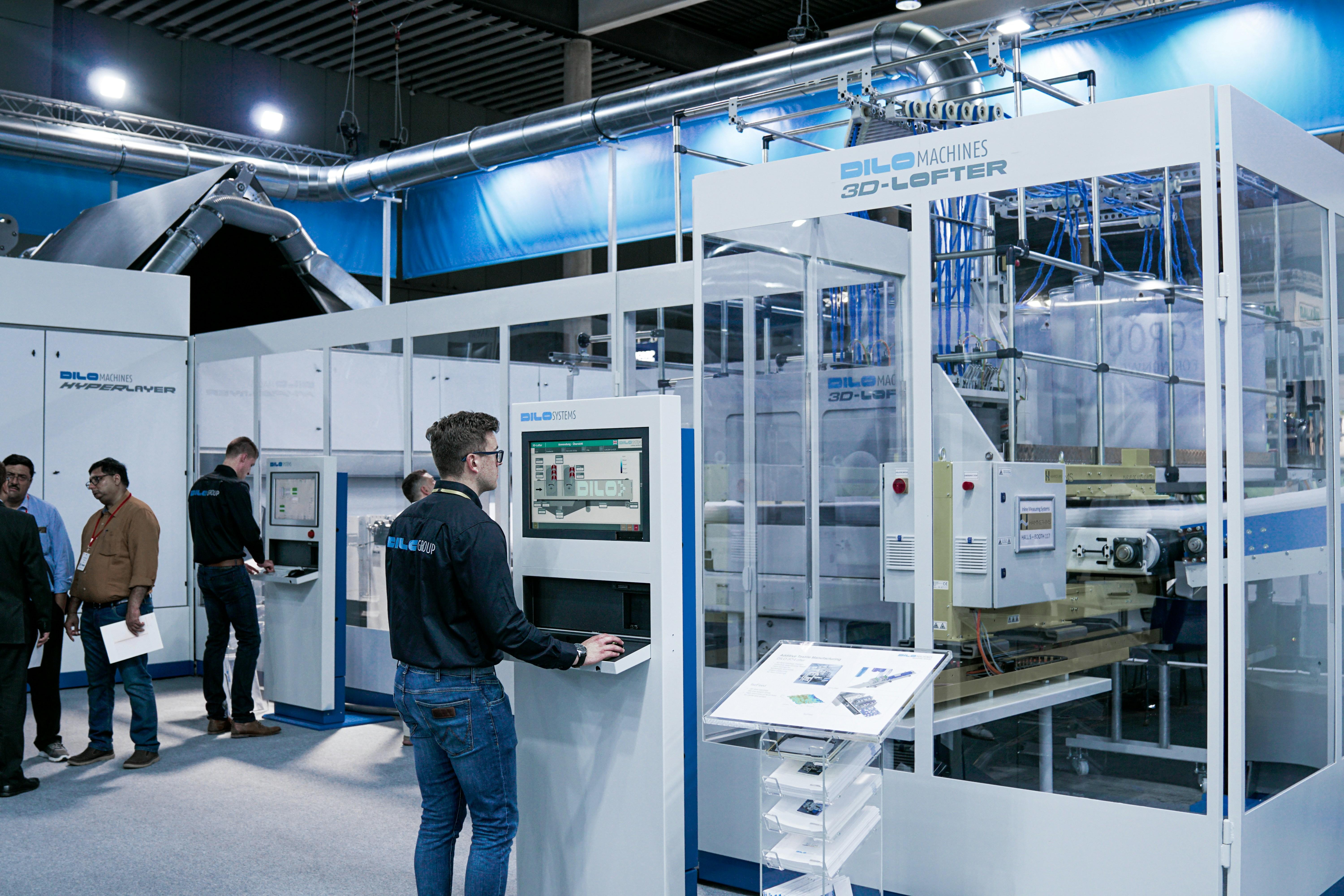
Innovative Technology: Enhancing Efficiency in Rice Processing
The advent of modern technology has transformed the landscape of rice processing, making it remarkably more efficient and enduring. Wiht the introduction of the combined rice mill, farmers can streamline their operations, reducing both time and labour costs considerably. Key features of this innovative machinery include:
- Integrated functions: The ability to perform multiple tasks such as husking, milling, and polishing in one machine.
- Energy efficiency: Reduced power consumption due to advanced technology and design.
- User-kind interfaces: Simplified controls that allow operators of varying skill levels to use the machinery effectively.
- Space-saving design: compact construction that effortlessly fits into limited agricultural setups.
Moreover, the enhanced capabilities of these mills contribute significantly to the overall quality of the rice produced. By minimizing broken grains and maximizing yield, farmers can ensure better market prices and increased revenue. Here’s a brief comparison between traditional and combined rice mills:
| Feature | Traditional Mills | Combined Rice Mills |
|---|---|---|
| Processing Time | Longer | Shorter |
| Energy Consumption | Higher | Lower |
| Grain Damage | Higher | Lower |
| Labor Required | More | Less |
As the agricultural sector continues to evolve, the integration of elegant machinery like the combined rice mill will play a pivotal role in ensuring food security and economic resilience for farmers worldwide.

sustainability in Farming: The Environmental Benefits of Combined Rice Mills
The evolution of agricultural machinery has brought about significant advancements in sustainability practices, particularly through the introduction of combined rice mills. These innovative systems not only streamline the rice milling process but also contribute to a considerable reduction in environmental impact. With their multifaceted roles, combined rice mills optimize resource use and minimize waste, fostering a more sustainable farming ecosystem. Key environmental benefits include:
- Energy efficiency: Combined rice mills operate using less energy compared to traditional milling methods, promoting a clearer carbon footprint.
- Water Conservation: By integrating multiple functions,these mills reduce water usage during the milling process,preserving a vital resource.
- Waste Reduction: They effectively convert waste by-products into usable materials, such as biofuel and organic fertilizers, thus enhancing soil health.
- Reducing Land Use: With their compact design, combined rice mills require less land area, allowing for the preservation of natural habitats.
Additionally, the economic advantages of using combined rice mills can encourage farmers to adopt more sustainable practices. As these mills increase yield efficiency and lower operational costs,they empower local communities to invest in environmentally friendly techniques. The broader adoption of such technology can lead to a ripple effect, inspiring other sectors within agriculture to embrace sustainable practices. below is a concise overview of the sustainability potential from combined rice mills:
| Aspect | Impact |
|---|---|
| energy Use | 20% reduction |
| Water Use | 30% reduction |
| Waste By-products | 70% repurposed |
Economic Impact: Boosting Local Communities Through Advanced Agriculture
The integration of advanced agriculture technologies, such as the versatile combined rice mill, plays a pivotal role in enhancing the economic landscape of local communities. By streamlining rice production, these mills enable farmers to significantly reduce processing time and labor costs, ultimately leading to increased profitability. The benefits extend beyond individual farms; they foster job creation and stimulate other local sectors, contributing to a more robust economy. Key advantages of this transformative approach include:
- Increased Efficiency: minimizing post-harvest losses through rapid processing.
- Higher Quality Products: Ensuring superior quality of rice that meets market standards.
- Empowerment of Local Farmers: Providing access to modern tools and technologies, creating a competitive edge.
- Enhanced Sustainability: Promoting environmentally friendly practices and resource conservation.
moreover, the economic ripple effect of adopting such modern agricultural methods can be observed through community development initiatives. For example, enhanced income levels allow families to invest in education and healthcare, thereby improving overall quality of life in these regions.In addition, innovative financing models facilitated by cooperatives can encourage further investments in technology and infrastructure. The positive impact can be summarized in the table below:
| Impact Factor | Outcome |
|---|---|
| Income Growth | 20% increase in farmer revenue |
| Job Creation | 50 new local jobs per mill |
| Market Access | Establishment of new local markets |
| Investment in Services | 5% increase in spending on education and health |
Future Trends: Preparing for the Next Generation of Rice Milling Solutions
As the agricultural landscape evolves, so too must the technologies that support it. The next generation of rice milling solutions will focus on sustainability, efficiency, and adaptability to meet the challenges posed by climate change and shifting consumer demands. Cutting-edge advancements in automation and artificial intelligence are set to revolutionize the processing of rice, enhancing precision and reducing waste. Farmers and millers will benefit from solutions that not only streamline operations but also allow for greater customization based on local crop variations and market needs.
Key innovations to watch for include:
- Integration of IoT (Internet of Things): Smart sensors will monitor grain quality, moisture levels, and milling efficiency in real-time.
- Solar-powered Systems: Utilizing renewable energy sources to power rice mills, reducing reliance on fossil fuels.
- Advanced Data Analytics: Leveraging big data to optimize production schedules and minimize downtime.
- Eco-Friendly Milling Techniques: Introducing methods that reduce water and energy consumption while improving yield.
Collaboration between tech companies and agricultural experts will be essential in realizing these advancements. The following table illustrates some future rice milling solutions and their expected impact:
| Technology | Impact |
|---|---|
| IoT Integration | Enhanced monitoring and quality control |
| Automated Mills | Increased efficiency and reduced labor costs |
| Eco-Friendly Processes | Minimized environmental footprint |
Insights and Conclusions
As we stand on the brink of a new agricultural era, the introduction of the versatile combined rice mill marks a significant turning point in our approach to food production. By seamlessly integrating multiple functions, this innovative machinery not only streamlines the milling process but also enhances efficiency and sustainability. It reinforces the idea that modern agriculture can embrace technology to meet the challenges of tomorrow, ensuring food security while minimizing environmental impact.
Looking ahead, the combined rice mill represents more than just a technological advancement; it embodies a holistic vision for the future of farming. As we continue to explore and implement such transformative solutions, we pave the way for a more resilient agricultural landscape—one that balances productivity with ecological stewardship. The journey of revolutionizing agriculture is ongoing, and with tools like the combined rice mill within our reach, the possibilities are as vast as the fields we cultivate.



