
In the heart of America’s Midwest, were golden fields stretch as far as the eye can see, corn stands tall, a testament to both nature’s bounty and human ingenuity. Yet, few pause to consider the intricate journey that transforms these vibrant crops into the versatile ingredient known as flour. From field to flour, a symphony of processes unfolds, each step intricately weaving together agricultural expertise, technological innovation, and age-old traditions. This article delves into the engaging transformation of corn — exploring its origins, the meticulous methods of processing, and the myriad ways this humble grain enriches our daily lives. Join us as we uncover the layers of complexity behind corn processing, revealing not just the mechanics, but the stories that lie within every kernel.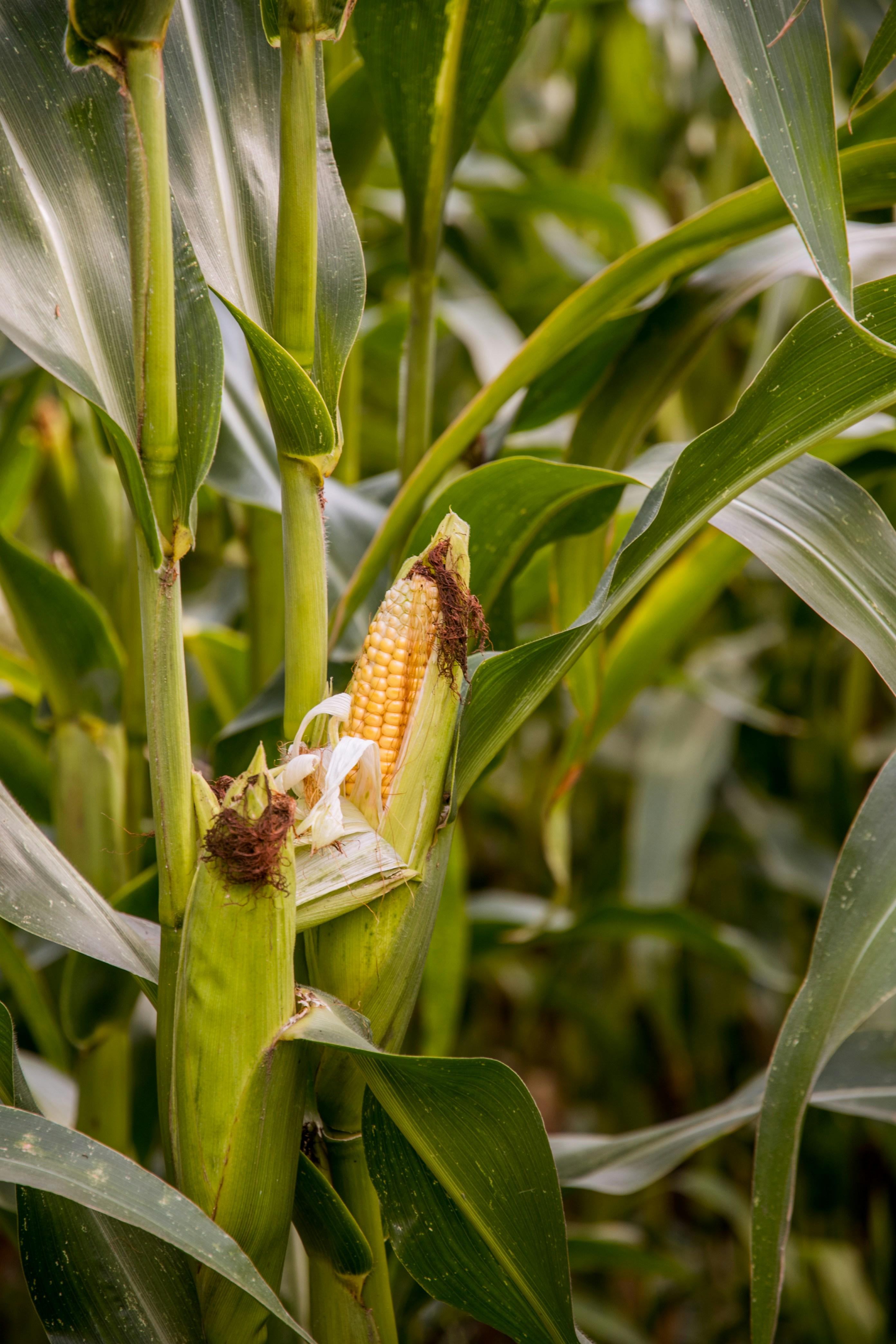
understanding the Corn Lifecycle: From Seed to Harvest
The journey of corn begins with a tiny seed,cradled in the rich earth. As spring unfolds, these seeds sprout, propelled by sunlight and moisture, sending delicate tendrils skyward. The initial stages of growth see seedlings emerge, their first true leaves appearing in a vibrant green. Key factors influencing this early progress include:
- Soil Quality: Nutrient-rich soil promotes robust growth.
- Water Supply: Adequate watering is critical during the early days.
- Temperature: Corn thrives in warm weather, balanced within a perfect range of 60°F to 86°F.
As summer rolls in, corn plants reach their full potential, towering in lush verdancy. Pollen is dispersed, and cobs begin to form, growing plump with kernels. At this stage, farmers vigilantly monitor for pests and diseases, ensuring nothing jeopardizes their crop. Harvest time approaches when the leaves start to yellow, indicating optimal sugar content and moisture levels in the corn. A well-timed harvest helps secure the corn’s quality for processing,leading into an intricate array of methods that transform these golden ears into flour,cornmeal,and countless food products. The following table outlines the critical stages of a corn plant’s life cycle:
| Stage | Description | Duration |
|---|---|---|
| Germination | Seed absorbs water and begins to sprout. | 5-10 days |
| Vegetative | Plant grows leaves and stems. | 5-10 weeks |
| Reproductive | Pollen production and cob formation. | 6-8 weeks |
| Ripening | Kernels mature and sugar content increases. | 3-4 weeks |

Transforming Nature’s Bounty: Insights into Corn Processing Techniques
Corn, a staple crop with rich cultural and agricultural significance, undergoes an intricate journey from its golden fields to the finely milled flour commonly found on kitchen shelves. the transformation begins with harvesting, where the kernels are carefully removed from the cob, ensuring their integrity for subsequent processing. Following this, the corn undergoes cleaning and drying, a crucial step that removes impurities and reduces moisture to preserve freshness. The dried kernels can be processed through various techniques, including grinding, nixtamalization, and milling, each method yielding a different texture and flavor profile suitable for a variety of culinary applications. Here are some prevalent processing methods at a glance:
- Grinding: Involves crushing the dried corn into flour or meal, perfect for baking.
- Nixtamalization: An ancient process that uses lime water to enhance flavor and nutrient absorption, often used for tortillas.
- Milling: A more refined grinding technique, producing fine flour suitable for pastries and bread.
Understanding the nuances of these techniques reveals the versatility and potential of corn beyond simple consumption. For instance, the nutritional value changes dramatically depending on the method applied.A comparative analysis illustrates the benefits:
| Method | Nutritional benefits | Culinary Uses |
|---|---|---|
| grinding | High fiber content, good for digestion | Breads, cornbread, polenta |
| Nixtamalization | Improved calcium and protein digestibility | Tortillas, tamales |
| Milling | Fine flour suitable for delicate recipes | Cakes, pastries |

Flour Power: Assessing the Nutritional Impact of Corn Flour
The journey from raw corn to flour is not just a transformation of texture; it also entails a significant shift in nutritional profile. Corn flour, often touted for its versatility in various dishes, emerges as a source of essential nutrients when converted from the whole grain. Its composition boasts an array of benefits including:
- Carbohydrates: A key energy source,making up the bulk of corn flour’s composition.
- Dietary Fiber: While less than its whole grain counterpart, the fiber content aids in digestive health.
- B Vitamins: Corn flour is a notable provider of vitamins B1 (thiamine) and B3 (niacin), which are essential for energy metabolism.
- Antioxidants: Naturally occurring pigments, such as lutein and zeaxanthin, contribute to overall health.
Furthermore, incorporating corn flour into one’s diet can present both advantages and challenges. It is gluten-free, making it an excellent option for those with celiac disease or gluten intolerance; however, its protein content is lower compared to wheat flour, which may pose a concern for those relying on it as a staple. A comparative overview of corn flour versus customary wheat flour reveals:
| Nutrient | Corn flour (per 100g) | Wheat Flour (per 100g) |
|---|---|---|
| Calories | 365 | 364 |
| Protein (g) | 7 | 10 |
| Fiber (g) | 7 | 2.7 |
| Carbohydrates (g) | 76 | 76 |
Sustainability in the Spotlight: Recommendations for Responsible Corn Production
As the demand for corn continues to grow, adopting enduring practices in corn production is essential to protect our environment and ensure a healthy future for generations to come. To achieve responsible corn farming,we recommend the following strategies:
- Crop Rotation: Implementing a diverse crop rotation system helps to maintain soil health,reduce pest contamination,and break disease cycles.
- Reduced Pesticide Use: Integrating Integrated Pest Management (IPM) techniques minimizes reliance on chemical pesticides, fostering a balance between pests and their natural predators.
- Water Conservation: Employing efficient irrigation methods, such as drip irrigation or rainwater harvesting, can substantially reduce water usage while promoting sustainable agriculture.
- Soil Conservation: Techniques like cover cropping and no-till farming enhance soil structure and fertility, preventing erosion and maintaining productivity.
To further support sustainable practices, stakeholders across the corn supply chain should collaborate, sharing insights and technologies that enhance yield while minimizing environmental impact.Below is a simple matrix highlighting key practices and their benefits:
| Practice | Benefits |
|---|---|
| Organic Fertilizers | Improved soil health and biodiversity. |
| conservation Tillage | Reduces soil erosion and improves water retention. |
| Agroforestry | Enhances biodiversity and carbon sequestration. |
| Precision Agriculture | Optimizes inputs, maximizing efficiency. |
In Conclusion
As we draw the curtains on the intricate journey of corn processing, it becomes clear that what begins as a simple seed in a field evolves into a multitude of forms that touch our daily lives. From the gentle sway of cornfields kissed by the sun to the bustling mills where grains are transformed into flour, this journey encapsulates the harmony between nature and industry. It is a testament to human ingenuity and the relentless pursuit of efficiency, where each step in the process is a delicate balance of art and science.As we continue to explore the myriad ways corn flour enriches our diets and shapes our culinary traditions, let us also appreciate the hands and hearts behind this remarkable transformation. The next time you savor a warm loaf of cornbread or a plate of freshly made tortillas, take a moment to reflect on the journey that brought it to your table—from the fertile soil of our fields to the final product in our kitchens.It is indeed a journey worth celebrating, reminding us of the connections we share with the land and the possibilities that arise when we honor the age-old partnership between nature and nurture.



