Optimizing Production: The 2-Ton Rice Mill Plant Project
In the realm of agricultural innovation, rice stands as a staple that nourishes billions. As global demand for this essential grain surges, so does the necessity for more efficient production methods. Enter the 2-Ton Rice Mill Plant Project—a transformative endeavor poised to redefine the way rice is processed. At the intersection of technology and tradition, this project aims not only to streamline production but also to enhance quality and sustainability in the rice milling industry. In this article, we delve into the intricacies of this enterprising initiative, exploring its design, operational mechanics, and the potential impact on local economies and food security.Join us as we uncover the steps taken to optimize production and elevate rice milling into the next era of agricultural efficiency.
Understanding the Rice Milling Process and Its Economic Impact
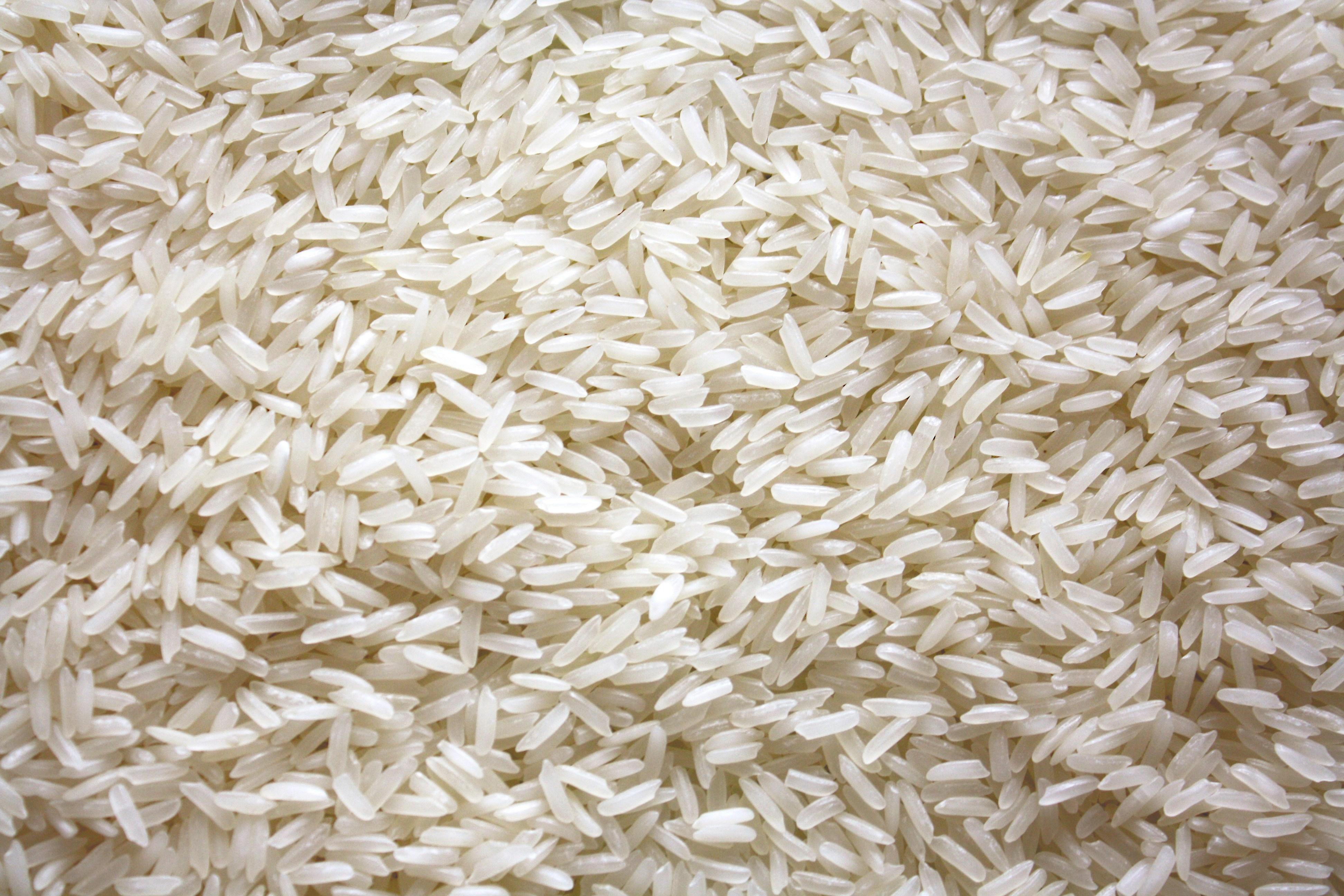
Rice milling is a critical process that transforms paddy into edible rice, ensuring that the grain retains its quality and nutritional value. The milling process can be broken down into several stages: dehusking, whitening, polishing, and grading. Each stage plays a vital role in determining the quality of the final product and its marketability. Understanding these stages not only helps in optimizing the production efficiency of a rice mill plant but also directly influences the economic outcomes for local farmers and businesses. Notably, improved milling techniques can reduce waste and enhance the yield, which is crucial in supporting the livelihoods of smallholder farmers while also catering to the growing demand for rice in various markets.
The economic impact of an efficient milling operation extends beyond just production.It can stimulate local economies by creating additional jobs,increasing income for farmers,and enhancing food security.For instance, a well-optimized mill can boost profits by minimizing operational costs and maximizing output. Furthermore, addressing key aspects such as energy consumption and waste management in rice milling can lead to significant reductions in carbon footprints, aligning economic profitability wiht environmental sustainability. The following table highlights some essential factors affecting the economic viability of a rice mill plant:
| Factor | Impact |
|---|---|
| Production Efficiency | Higher yields lead to increased revenue |
| Labor Costs | Optimized workforce management reduces expenses |
| Sustainability Practices | Attracts green investment and consumer preference |
| Market Demand | Directly influences pricing strategies and profitability |

key Technologies for Enhancing Efficiency in a 2-Ton rice mill plant
In a 2-ton rice mill plant, embracing advanced technologies is paramount for maximizing operational efficiency and reducing waste. Automation systems play a crucial role by streamlining processes such as husking, milling, and grading, minimizing the need for manual intervention. Integrating sensors and IoT (Internet of Things) devices allows for real-time monitoring of machine performance, providing insights that help in predictive maintenance and reducing downtimes. Implementing energy-efficient machinery not only cuts down on electricity costs but also enhances the overall production capacity by ensuring continuous operation with lower energy input.
Data analytics tools can also revolutionize decision-making within the plant. By gathering and analyzing production data,mill operators can optimize their workflows to identify bottlenecks and implement improvements steadily. Moreover, adopting quality control technologies, such as color sorters and moisture analyzers, ensures that only high-quality rice reaches the market, aligning product standards with consumer preferences. The implementation of a management software system aids in inventory control, supply chain logistics, and order tracking, significantly enhancing overall productivity and responsiveness to market demands.
Sustainable Practices to Optimize Resource Use in Rice Production
Embracing sustainable practices is vital for enhancing resource efficiency in rice production.One of the innovative strategies involves implementing integrated pest management (IPM), which minimizes the use of chemical pesticides while promoting natural predators or biopesticides. This not only helps to maintain ecological balance but also reduces the overall cost of inputs. Additionally, utilizing crop rotations and cover crops can improve soil fertility and structure, ultimately leading to increased productivity without compromising environmental health.
Moreover, adopting water-efficient irrigation techniques such as drip irrigation and alternate wetting and drying (AWD) can significantly reduce water usage. These methods support moisture retention and decrease the water footprint of rice cultivation.To complement these systems, the use of organic fertilizers derived from agricultural waste can enhance nutrient availability while recycling resources within the farming ecosystem.The following table summarizes key sustainable practices that can be integrated into rice production:
| Practice | Benefits |
|---|---|
| Integrated Pest Management (IPM) | Reduces chemical use; supports biodiversity |
| Crop Rotations | Enhances soil fertility; mitigates pest cycles |
| drip Irrigation | Conserves water; efficiency in delivery |
| organic Fertilizers | Improves soil health; recycles nutrients |
Strategic Marketing and Distribution for Maximizing Profitability
in order to maximize profitability from the 2-ton rice mill plant, implementing a competitive marketing strategy is essential. By identifying key customer segments, businesses can tailor their messaging and product offerings to meet the specific needs of those groups. Consider the following strategies:
- Brand development: establish a strong brand identity that resonates with the target market.
- Digital Marketing: Leverage social media and online platforms to reach wider audiences effectively.
- Promotions: Create limited-time offers and discounts to encourage trial and build customer loyalty.
Effective distribution also plays a critical role in ensuring that the product reaches the end consumer promptly. Building relationships with local distributors and retailers can lead to enhanced visibility and accessibility of the rice mill’s products. To optimize distribution, consider these approaches:
| Distribution Methods | Advantages |
|---|---|
| Direct Sales | Higher profit margins, direct customer feedback. |
| Wholesale Partnerships | Wider reach, reduced delivery times. |
| Online Sales | increased convenience, access to larger markets. |
In Summary
As we draw the curtain on our exploration of the 2-Ton Rice Mill Plant Project, it becomes clear that the journey towards optimizing production is not just about efficiency and output—it’s about fostering sustainability and supporting local economies. This initiative not only aims to enhance the processing capabilities of rice, a staple for millions, but also underscores the importance of innovation in agriculture. The insights gleaned from this project could serve as a blueprint for similar endeavors,resonating through communities and inspiring future advancements in food processing.
In closing, as we look towards the horizon of agricultural development, let us remember that the true measure of success lies not only in the machinery and technology we implement but also in how these solutions enrich the lives of farmers and consumers alike.With the foundation laid by the 2-Ton rice mill plant Project, the potential to transform production and cultivate progress is ripe for reaping.