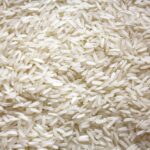
In the sprawling fields where golden grains sway gently in the breeze, a quiet transformation is underway. The agricultural landscape, long dominated by colossal enterprises and expansive farms, is beginning to give rise to a new player: the small rice mill.These compact, yet formidable, establishments are revolutionizing the rice production process, offering localized processing solutions that enable farmers to retain more value from their harvests. As global food systems grapple with the challenges of sustainability, efficiency, and economic viability, small rice mills emerge as beacons of innovation, bridging the gap between rural communities and modern agricultural practices. This article delves into the factors fueling the rise of small rice mills, exploring their impact on local economies, food security, and the future of agribusiness. Join us as we uncover how these humble entities are helping to redefine the future of rice cultivation and processing, one kernel at a time.
The Impact of Small Rice Mills on Local Economies
The emergence of small rice mills has brought about a transformative effect on local economies, particularly in rural areas where agriculture serves as the backbone of livelihood. By leveraging local resources and providing essential services, these mills play a pivotal role in enhancing value chains. Local farmers benefit directly by gaining access to milling facilities that save time and reduce transportation costs. Moreover,these mills frequently enough source their paddy from local producers,which not only stimulates agricultural production but also creates a symbiotic relationship between farmers and mill owners. This interdependence fosters a robust agricultural ecosystem where profits can be reinvested back into the community.
Along with agricultural benefits, small rice mills contribute to job creation and local entrepreneurship. They open up various employment opportunities for residents, ranging from milling technicians to operational staff, which helps in decreasing unemployment rates in the region. Additionally, many mills engage in training programs designed for aspiring entrepreneurs, effectively nurturing a new generation of local business leaders. The ripple effect of this economic activity often results in:
- Increased household incomes due to stable job opportunities.
- Strengthened community ties as locals collaborate and support one another.
- Enhanced food security through consistent supply chains for rice consumption.

Innovative technologies Driving Efficiency in Rice Milling
The landscape of rice milling is undergoing a transformative shift with the advent of cutting-edge technologies that significantly enhance operational efficiency. By harnessing automated processing systems, small rice mills can optimize their production lines, minimizing human intervention and reducing the margin of error.many of these innovations integrate Internet of things (IoT) capabilities, allowing for real-time monitoring of equipment performance and grain quality. This not only streamlines the milling process but also facilitates predictive maintenance, ensuring that machinery runs smoothly and minimizes downtime.
Furthermore, advancements in data analytics have empowered mill operators to make informed decisions based on precise, real-time insights.By analyzing factors such as moisture content and grain variety, mills can adjust processing parameters for optimal yield. Other technologies, such as energy-efficient milling machines, contribute to sustainability efforts and cost savings. Together, these innovations create a dynamic ecosystem, where small rice mills can compete effectively, enhancing both productivity and product quality. Consequently, they play a crucial role in supporting local farmers and meeting the growing global demand for rice.
| Technology | Benefit |
|---|---|
| Automated Processing Systems | Reduces human error; increases efficiency. |
| IoT Integration | Real-time monitoring and predictive maintenance. |
| Data Analytics | Informed decision-making based on grain specifics. |
| Energy-Efficient Machines | Cost-saving and lasting production methods. |
sustainable Practices for Environmental Stewardship in Agriculture
Small rice mills are emerging as pivotal players in promoting sustainable agricultural practices. By utilizing energy-efficient machinery and adopting eco-amiable processing methods, these mills reduce wasted resources and lower carbon emissions significantly. Furthermore, they contribute to local economies by creating jobs and supporting smallholder farmers. Sustainable practices include:
- Water Conservation: Implementing efficient water management systems to reduce wastage.
- Organic Fertilizers: Promoting the use of compost and natural fertilizers to enrich soil health.
- Crop Rotation: Enhancing biodiversity and reducing pest and disease outbreaks through diverse cropping systems.
Moreover, small rice mills can incorporate sustainable technologies, such as solar energy, to power operations. This not only diminishes reliance on fossil fuels but also makes the processing of rice more resilient against rising energy costs. The table below highlights some innovative technologies being embraced by these mills to further their commitment to environmental stewardship:
| Technology | Benefit |
|---|---|
| Solar-Powered systems | Reduces energy costs and dependence on non-renewable resources. |
| Biomass Burners | Utilizes agricultural by-products as an energy source, minimizing waste. |
| Water Recycling Units | Maximizes water use efficiency and minimizes environmental impact. |
Empowering Farmers: The Role of Community-based Rice Mills
Community-based rice mills are transforming the landscape of agricultural development, providing essential support to local farmers and fostering economic growth in rural areas. By utilizing locally sourced paddy, these mills significantly reduce transportation costs and ensure fresher products. Farmers gain direct access to milling and processing facilities, which enhances their bargaining power and increases profit margins.With tailored services that cater to the unique needs of their communities, these rice mills serve as vital hubs for education and knowledge sharing, equipping farmers with necessary skills and agricultural best practices.
Moreover, the impact of these small-scale mills extends beyond mere economics; they are instrumental in promoting sustainable agricultural practices. By focusing on local varieties of rice and utilizing eco-friendly milling techniques,community-based rice mills help preserve local biodiversity and reduce the carbon footprint associated with more industrial milling processes. These mills can also establish partnerships with local governments and NGOs to provide support systems for farmers, such as:
- Training workshops on effective farming techniques
- Access to credit for purchasing seeds and fertilizers
- Market access by connecting farmers directly with buyers
- Research and development to improve crop resilience
Wrapping Up
As we stand at the crossroads of tradition and innovation in agriculture, the emergence of small rice mills signifies a pivotal shift in how we approach food production and local economies. These miniature powerhouses not only empower farmers by providing them with the means to process their harvests efficiently, but they also foster community resilience and promote sustainable practices.By enabling families to transform their labor into value-added products, small rice mills are weaving a fabric of self-sufficiency that can thrive in the face of global challenges.As we look to the future, the path forward is clear: embracing these transformative technologies will not only honor the age-old customs of rice cultivation but also adapt to the pressing demands of the modern world. The rise of small rice mills is more than just an economic revolution; it is a testament to the ingenuity and spirit of the agricultural community. with each grain milled, we move closer to a more sustainable and equitable food system, ensuring that the essence of agriculture remains deeply rooted in the hands of those who cultivate it. As we close this chapter on small rice mills, we leave with the understanding that their impact will echo through generations, nurturing both the land and the people who depend on it.