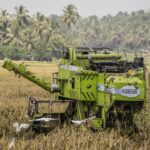
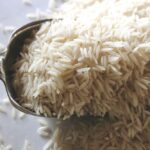
In the bustling world of agriculture, where the lush green fields yield grains that serve as the foundation of countless cuisines, a quite revolution is taking place. The spotlight is now shining on a remarkable innovation that promises to enhance grain quality: the mini rice polisher. As consumers become increasingly discerning and aware of the nutritional value present in their food, the demand for high-quality rice has surged. Mini rice polishers, with their compact design and efficient technology, are emerging as game-changers in the rice milling industry. This article explores the rise of these innovative devices, examining their impact on grain quality, the benefits they offer to farmers and consumers alike, and the future they herald for one of the world’s moast vital staple foods. join us as we delve into the fascinating intersection of tradition and technology, where the quest for improved rice quality is transforming the landscape of grain processing.
Understanding the grain Quality Challenge in Modern Agriculture
As the world faces the dual challenge of feeding an ever-growing population while maintaining high quality in agricultural outputs, grain quality has emerged as a crucial focus for farmers and producers alike. In this complex landscape, there are several factors influencing grain quality, including environmental conditions, soil health, and farming techniques. Grain quality is not merely about aesthetic appeal; it directly impacts nutrition, taste, and marketability. Key parameters defining grain quality include:
- Moisture Content: High levels can lead to spoilage and reduce shelf life.
- Grain Size and Shape: Uniformity in size often dictates market price.
- Purity: Presence of foreign materials can diminish value.
- Nutritional Value: Higher nutritional content boosts consumer preference.
Advancements in technology have opened new doors to address these challenges,particularly with innovations like mini rice polishers. These compact machines have gained traction,allowing smallholder farmers to enhance grain quality on-site,optimizing the polishing process while reducing waste. The benefits of deploying mini rice polishers include:
| Benefits | Description |
|---|---|
| Efficiency | Reduces time and labor required for processing. |
| Cost-Effectiveness | Lower initial investment compared to larger models. |
| Quality Advancement | Enhances the appearance and taste of grains. |
| Accessibility | Designed for easy use by local farmers. |

The Technological Evolution of Mini Rice Polishers
Over the past few decades, mini rice polishers have undergone meaningful advancements, reflecting the convergence of traditional milling techniques with modern technology. Initially,these devices were simple,manual mechanisms that required considerable effort and time to polish rice effectively. However, as the demand for high-quality grain increased, manufacturers began integrating electronic components, which not only improved efficiency but also enhanced the precision of the polishing process. Modern mini rice polishers utilize advanced features such as:
- Automated polishing cycles that reduce the need for human intervention.
- Variable speed settings to customize the polishing process for different rice varieties.
- Energy-efficient motors that lower operational costs while maintaining performance.
The shift from conventional to technologically advanced models has also contributed to a more sustainable approach in rice processing. Contemporary mini rice polishers boast improved durability and accessibility, catering to both small-scale farmers and larger agribusinesses. By minimizing waste and preserving the nutritional value of the grains,these machines ensure that quality is not sacrificed for speed. An overview of some key features distinguishes modern mini rice polishers from their predecessors:
| Feature | Traditional Models | modern Models |
|---|---|---|
| Polishing Time | Longer | Significantly Shorter |
| Energy Consumption | Higher | Lower |
| Maintenance | Frequent | Minimal |
| Grain Quality Preservation | Moderate | High |
Maximizing Efficiency and Consistency in Rice Processing
In modern rice processing, the implementation of mini rice polishers has become crucial for enhancing grain quality while improving operational workflows. with the ability to combine polishing,grading,and cleaning processes,these compact machines are designed to optimize output without compromising on consistency. They also require minimal workspace, making them ideal for small to medium-sized processing facilities. The placement of these machines allows processors to streamline their operations, thus resulting in an impressive reduction in labor costs and a significant boost in overall productivity.
Moreover, the use of mini rice polishers helps maintain the integrity of the grains, as they are engineered to provide a gentle yet effective polishing action. This preservation of grain quality is bolstered by advanced technology, allowing for precise control over the polishing parameters. Key advantages include:
- Uniform polishing: Ensures every grain receives equal treatment.
- Reduced breakage: Protects the grains from damage during processing.
- Energy efficiency: Consumes less energy, driving down operational costs.
- Enhanced shelf life: Improves the longevity and marketability of the rice.
| Feature | Benefit |
|---|---|
| Compact design | Space-saving for smaller operations |
| Automated settings | Consistency in processing |
| Low maintenance | Cost-effective long-term usage |
Sustainable Practices for the Future of Grain Enhancement
In the quest for enhanced grain quality, the adoption of mini rice polishers exemplifies the harmony between innovation and sustainability.These compact yet powerful machines utilize advanced technology to refine rice grains with minimal energy consumption and reduced waste. By incorporating eco-friendly materials and energy-efficient designs,mini polishers not only improve the aesthetic and nutritional value of rice but also address environmental concerns associated with traditional processing methods. The integration of such machines into smallholder farming practices can lead to significant increases in crop profitability while contributing to a green economy.
The broader implications of using mini rice polishers extend beyond just the individual farmer. They promote a more responsible approach to grain enhancement in the agricultural sector. By optimizing the polishing process, these devices help preserve the natural integrity of rice without excessive loss of bran and nutrients. benefits of these technologies include:
- Reduced energy consumption: Lower electricity costs contribute to sustainability.
- Minimized waste: Efficient processing retains valuable by-products.
- Support for local economies: Empower small-scale producers with improved market access.
To further illustrate the impact of adopting mini rice polishers, consider the following comparative analysis of traditional versus modern polishing practices:
| Aspect | Traditional Polishing | Mini Rice Polishing |
|---|---|---|
| Energy Efficiency | High | Low |
| Grain Nutrient Retention | Medium | High |
| Waste Generation | High | Low |
| Cost of Operation | Higher | lower |
the rise of mini rice polishers indicates a shift towards sustainable agricultural practices that not only enhance grain quality but also preserve our surroundings for future generations.
To Conclude
the rise of mini rice polishers signifies a transformative shift in the grain processing landscape.These compact machines not only enhance the quality of rice but also empower small-scale farmers and processors by providing them with access to advanced technology previously reserved for larger operations. As the demand for premium rice continues to grow in both local and international markets, embracing innovation in grain polishing becomes essential. Mini rice polishers, with their efficiency and user-friendly design, are paving the way for a more sustainable and economically viable future in the agricultural sector. As we look forward, it’s clear that this small but mighty tool will play a significant role in elevating grain quality and ensuring that every bowl of rice tells a story of care, precision, and progress.