In the heart of agricultural landscapes worldwide, rice mills stand as vital hubs were tradition meets technology, forging the path from crop to cuisine. As one of the most widely consumed staple foods, rice not only sustains billions of people but also represents a important sector in global agriculture. Though, the processes involved in milling and production are frequently enough overlooked, overshadowed by the end product on our plates. In this exploration of rice mills, we delve into the intricate science behind modern milling techniques and the enduring practices that are reshaping the industry. By examining the innovations that enhance efficiency and environmental obligation, we uncover the elaborate tapestry of agricultural practices that ensure this essential grain can be produced in harmony with nature. join us on this journey to understand how rice mills are evolving to meet the challenges of today while preserving the rich heritage of rice cultivation for future generations.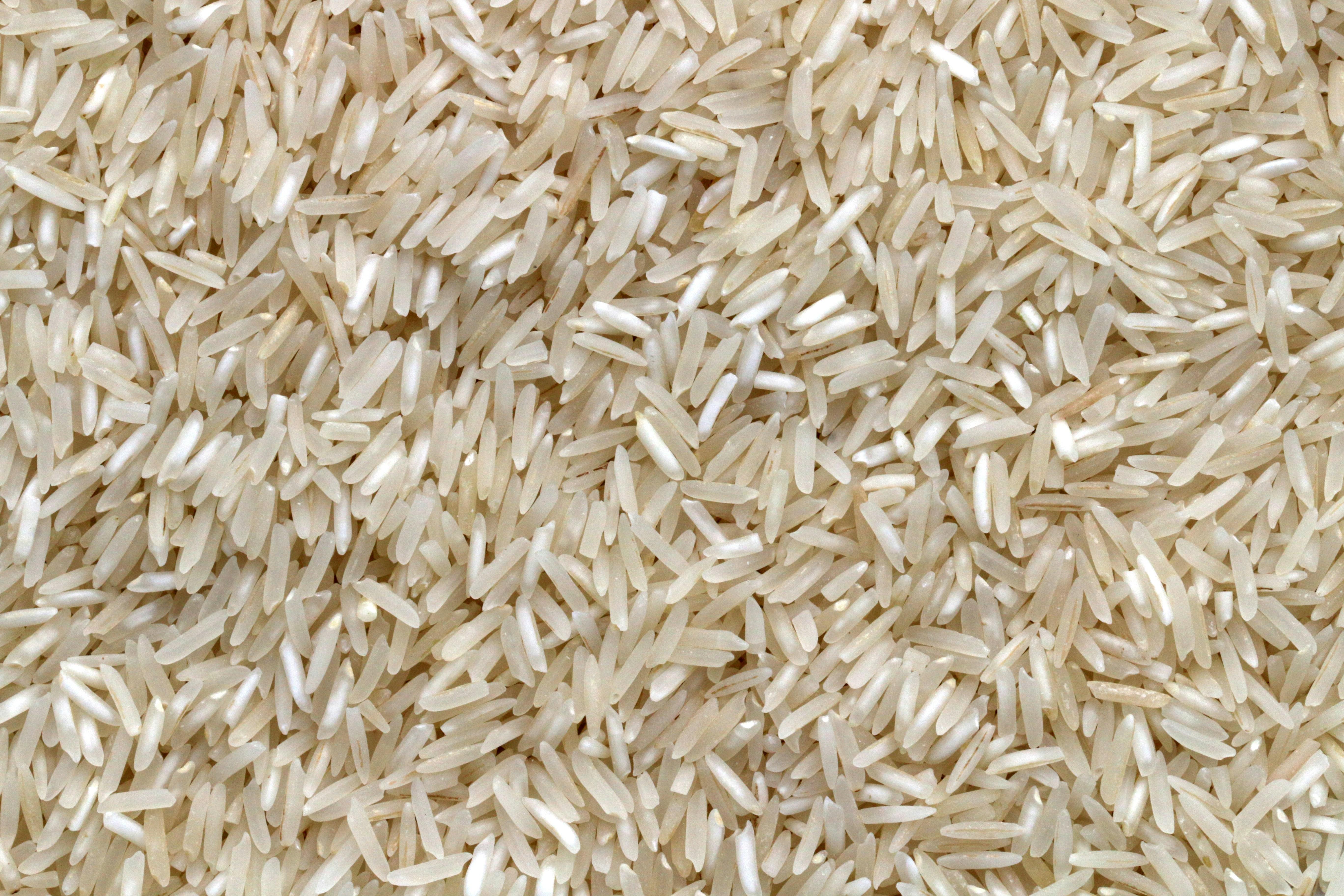
Understanding the Rice Milling Process and Its Environmental Impact
The rice milling process is a complex sequence of operations that transforms paddy into edible rice. This procedure consists of several stages including hulling, whitening, and polishing—each significant not only for creating a quality product but also for understanding its environmental impact. During hulling,the outer husk is removed,followed by whitening,which eliminates the bran layers to produce polished white rice. While these processes enhance the aesthetics and shelf-life of rice, thay are energy-intensive, frequently enough relying on fossil fuels, which can increase carbon emissions generated by rice mills. Moreover,the waste generated—such as husks and bran—requires careful management to avoid environmental degradation.
To mitigate these impacts, modern rice milling adopts several sustainable practices that not only enhance production efficiency but also lower the carbon footprint. Some of these practices include:
- Utilization of bioenergy: Recycling rice husks for energy reduces fossil fuel dependence.
- Water management techniques: Recycling water used in the milling process minimizes water waste.
- Waste management systems: Converting by-products into animal feed or compost helps reduce landfill use.
Additionally, ongoing technological advancements are paving the way for eco-friendlier approaches, as producers increasingly adopt automated systems and energy-efficient machinery. These innovations not only help to maximize output but also foster a more sustainable rice industry. A simple overview of the environmental considerations of conventional versus sustainable milling practices can be highlighted in the following table:
| Aspect | Traditional Milling | Sustainable Milling |
|---|---|---|
| Energy Source | Fossil fuels | bioenergy |
| Water Usage | High | Minimized |
| Waste Management | Landfill | Recycled/Repurposed |

Innovative Technologies Transforming Rice mill Operations
In the ever-evolving landscape of agriculture,rice mills are embracing cutting-edge technologies that optimize efficiency and sustainability. One of the most prominent advancements is the integration of IoT (Internet of Things) devices,which enable real-time monitoring of mill operations. By utilizing sensors and smart devices, mill operators can track temperature, humidity, and grain quality, ensuring optimal storage conditions. This data-driven approach not only minimizes waste but also enhances the overall quality of the rice produced.
Moreover,automation is reshaping traditional milling processes,with robotic systems playing key roles in sorting and packaging.these systems reduce human error while increasing speed and precision. Additionally, adopting renewable energy sources, like solar panels, allows rice mills to decrease their carbon footprint and reliance on fossil fuels. The potential for biogas production from rice husks further illustrates how mills can turn waste into a valuable resource. As technology leaps forward,rice mills stand at the forefront of sustainable practices,paving the way for a greener future in agriculture.
| Technology | Benefit |
|---|---|
| IoT Monitoring | Real-time data for better quality control |
| Automation | Increased efficiency and reduced labor costs |
| Renewable Energy | Lower carbon emissions and energy costs |
| Biogas Production | Turning waste into energy |
Sustainable Practices for Minimizing Waste and Maximizing Efficiency
Reducing waste in rice milling operations can significantly enhance efficiency and sustainability. One effective approach is the implementation of by-product utilization strategies that capitalize on what would normally be considered waste.For instance, rice husks—ofen discarded—can be transformed into energy through biomass conversion, while rice bran can be repurposed as animal feed or utilized for oil extraction. such practices not only reduce waste but also create additional revenue streams for farmers and millers. Furthermore, integrating water conservation techniques can optimize resource use; using techniques like closed-loop water systems or rainwater harvesting ensures minimal water waste and reduces the operational cost of rice milling.
Another pivotal aspect of efficient rice milling is the optimization of equipment and processes. Employing modern technologies,such as automated milling systems,can drastically improve yield percentages by minimizing the breakage of grains and enhancing sorting capabilities. Alongside this,implementing iot-based monitoring systems enables real-time assessments of milling performance,providing insights that drive continual improvement in processes.Equally important is fostering a culture of employee training and engagement, empowering staff to take an active role in identifying inefficiencies and suggesting sustainable practices. When employees feel invested in the sustainability efforts, it cultivates a workforce that champions innovation while supporting the overall goals of reducing waste and enhancing efficiency.
Future Trends in Rice Milling: Balancing Productivity and Ecological Responsibility
As the demand for rice continues to surge globally, rice milling operations are being tasked with the challenge of increasing productivity while minimizing their ecological footprint. The future of rice milling looks promising with advancements in technology that augment traditional methods. Embracing innovations such as automated milling systems and energy-efficient machinery, mills can enhance their output while lowering energy consumption.Additionally, the integration of IoT (Internet of Things) solutions allows for real-time monitoring and data analytics, enabling mills to fine-tune their operations for maximum efficiency and minimal waste.
Though,it’s not just about technology; adopting sustainable practices is equally crucial. this includes embracing eco-amiable processing techniques, which help reduce water and air pollution associated with conventional milling. moreover, investing in waste recycling programs allows rice mills to convert by-products into valuable resources, such as biofuels or fertilizers. Consequently, a multi-faceted approach combining modern machinery with environmentally conscious initiatives can pave the way for a new era in rice milling that prioritizes both productivity and ecological stewardship. Below is a simplified overview of some progressive trends:
| Trend | Description |
|---|---|
| Energy Efficiency | Implementation of low-energy machinery and renewable energy sources. |
| Waste management | Recycling of milling by-products into eco-friendly materials. |
| Precision Agriculture | Using data-driven analytics to optimize growing conditions. |
| Automation | integrating robotics for streamlined processing and packaging. |
Final Thoughts
As we conclude our journey through the intricate world of rice mills, it becomes evident that these establishments are far more than mere processing facilities. They embody a delicate balance of tradition and innovation, where centuries-old practices meet the pressing demands of sustainability in our modern era. The science behind rice milling is a testament to the ingenuity of agricultural engineering, enabling us to transform a staple crop into the nourishing food that sustains billions.
Yet,as we’ve explored,the path forward is not without its challenges. The quest for efficiency must harmonize with a commitment to environmental stewardship, ensuring that our pursuit of higher yields does not compromise the health of our planet. As rice mills continue to adapt and evolve, embracing sustainable practices and advanced technologies, they stand at the forefront of a critical movement—one that could redefine not only how we produce food but how we cultivate a more responsible relationship with our resources.
In reflecting on this dynamic interplay of science and sustainability, we invite you, the reader, to consider your own role in this narrative. From the choices you make at the grocery store to your support for sustainable farming practices, every small action contributes to a larger vision for a future where agriculture thrives in harmony with nature.Let us carry forward this knowledge and take part in the collective endeavor of nurturing a world where rice mills, and all forms of agriculture, can flourish responsibly.