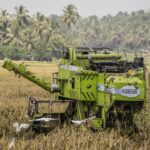
in the heart of bustling agricultural landscapes, were fields of golden grains sway in the wind, rice—the staple food for more than half of the world’s population—embodies a wealth of cultural significance and sustenance. Yet, beneath the tranquil surface of rice cultivation lies a complex process of change that is pivotal to the grain’s journey from paddies to plates. Enter the modern industrial rice milling machine, a marvel of engineering that has not onyl revolutionized the processing of rice but has also unlocked new levels of efficiency and productivity in the industry. This article delves into the intricacies of these machines, illuminating their role in enhancing quality, minimizing waste, and meeting the surging global demand for rice. Join us as we explore how cutting-edge technology is reshaping the landscape of rice milling, ensuring that this essential grain continues to nourish populations worldwide while embracing a sustainable future.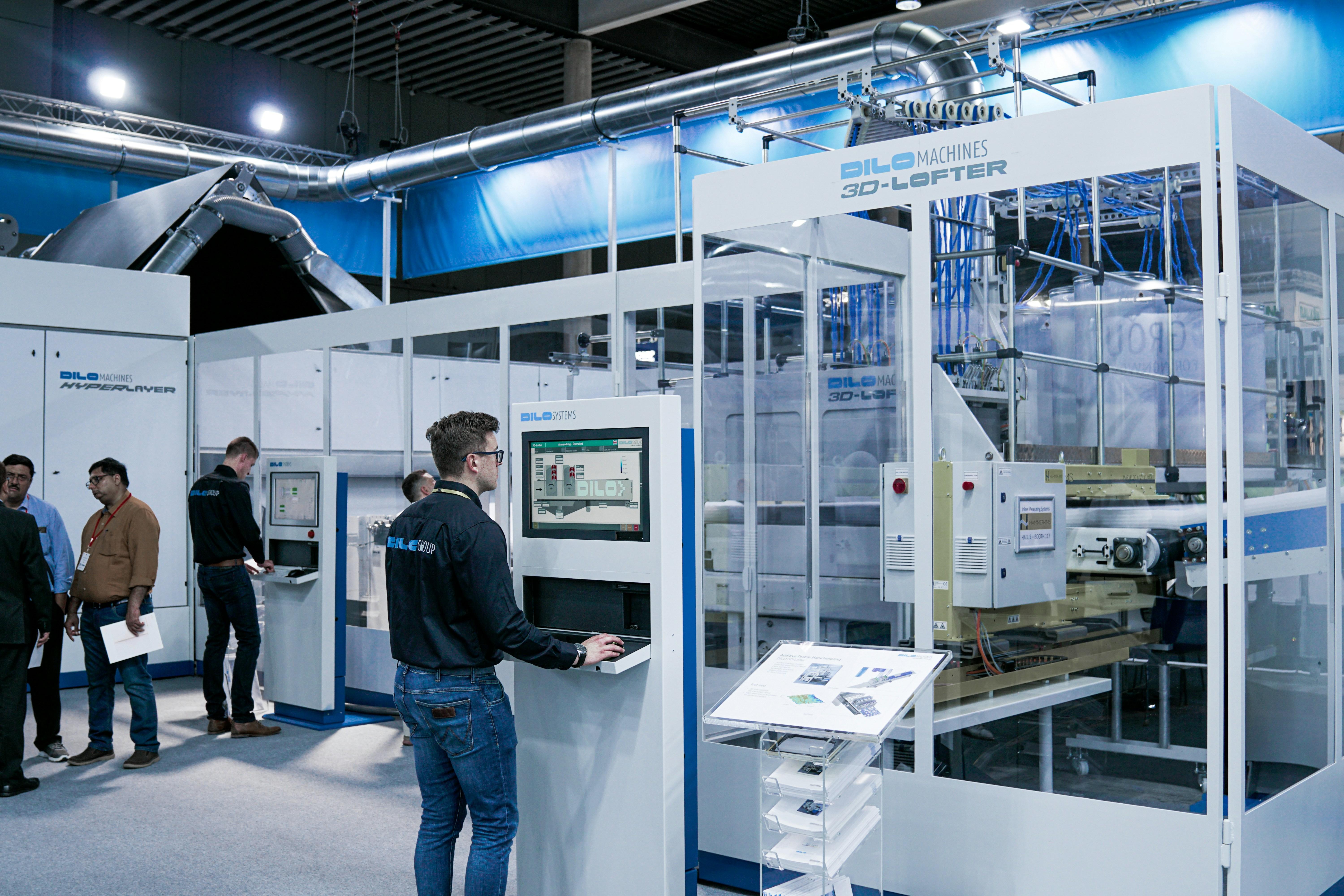
Exploring Technological Innovations in Rice Milling Machinery
With the continuous evolution of the agricultural sector, rice milling machinery has undergone remarkable technological enhancements aimed at increasing productivity and efficiency. Modern machines are equipped with advanced features such as automated sorting systems that utilize sensors to classify grains based on size, colour, and quality. This ensures that only the best rice reaches the market while reducing wastage considerably. Furthermore, innovations like energy-efficient motors and low-noise operations contribute to sustainability and a better working environment. Key advancements also include digital monitoring systems that allow operators to track performance metrics in real-time, thereby optimizing operational efficiency.
Alongside these technological feats, the integration of smart technology has revolutionized the milling process. Machines now come with remote control capabilities, enabling operators to adjust settings and monitor operations from a distance. This not only helps in minimizing downtime but also enhances safety by keeping personnel away from potential hazards. Furthermore,milling systems equipped with AI-driven analytics can predict maintenance needs based on usage patterns,substantially mitigating unexpected breakdowns. Below is a comparison of traditional versus modern rice milling machines, illustrating the stark contrast in efficiency and features:
| Feature | Traditional Rice Milling Machines | Modern Rice Milling Machines |
|---|---|---|
| Energy Consumption | High | Low - Energy-efficient |
| Noise Level | High | Low – Soundproof Design |
| Quality Control | Manual Sorting | Automated Sorting |
| Operational Monitoring | Analog | Digital & Remote |

enhancing Productivity Through Automated Solutions
In an era where time is money, the integration of automated solutions in rice milling operations significantly elevates overall productivity. The modern industrial rice milling machine is designed to streamline various processes, reducing manual labour and minimizing human error. These machines come equipped with intuitive features that allow for real-time monitoring and adjustments, ensuring optimal performance. Key advantages include:
- Increased Speed: Automated systems can process large volumes of rice in a fraction of the time it would take manually.
- Consistent Quality: These machines deliver uniform quality by meticulously controlling every step of the milling process.
- Energy efficiency: Modern designs optimize energy consumption, reducing operational costs without compromising output.
Furthermore, advanced technological integrations like IoT (Internet of Things) and AI (Artificial Intelligence) in these machines offer predictive analytics, which help operators foresee maintenance needs and potential inefficiencies. This ensures fewer downtimes and enhances overall throughput. A comparison table below showcases the traditional versus modern milling processes:
| Feature | Traditional Milling | Modern Automated Milling |
|---|---|---|
| Processing Speed | Slow | Fast |
| Labor Intensity | High | Low |
| quality Control | Manual Oversight | Automated Monitoring |
| Energy Consumption | Higher | Optimized |
As the demand for enhanced productivity continues to rise in the agricultural sector, embracing these cutting-edge milling machines not only promises efficiency but also positions businesses to thrive in a competitive landscape.
Sustainable Practices in Modern Rice Milling Operations
Modern rice milling operations are increasingly adopting sustainable practices that not only enhance productivity but also conserve natural resources and minimize environmental impact. Through the integration of energy-efficient machinery, rice millers are reducing their carbon footprint while maintaining high processing standards.Key innovations include:
- Solar-Powered Equipment: Utilization of solar panels to power milling processes,decreasing dependency on fossil fuels.
- Water Recycling Systems: Advanced systems that treat and recycle wastewater, significantly reducing water consumption.
- Biomass Utilization: Transforming rice husks and other by-products into energy or organic fertilizers,thus promoting circular economy principles.
Additionally, adopting precision milling techniques enhances grain quality and reduces waste. This approach ensures that the process is both efficient and thorough, leading to higher yields and less spoilage. Here’s a simple comparison of traditional versus modern milling practices:
| Aspect | Traditional Milling | Modern Milling |
|---|---|---|
| Energy Usage | Higher | Lower |
| Water Consumption | Significant | Reduced |
| Waste Generation | Higher | Minimized |
| Product Quality | Variable | Consistent |
These advancements not only optimize the milling process but also align with global sustainability goals, ensuring that rice production can thrive for generations to come.
Choosing the Right Equipment for Optimal performance
Selecting the ideal machinery for rice milling is pivotal in enhancing productivity and ensuring quality output. When considering modern industrial rice milling machines, focus on key features that align with your operational needs. These features include:
- Capacity: choose a machine that handles your desired volume, considering both current demands and future scalability.
- Efficiency: Look for machines designed to minimize energy consumption while maximizing output.
- Durability: Select equipment made from high-quality materials to ensure longevity and consistent performance under rigorous conditions.
- Technology: Opt for models equipped with the latest innovations, such as automation and advanced monitoring systems, to enhance operational precision.
another crucial factor to evaluate is the maintenance and support associated with your equipment choice. Proper support can significantly reduce downtime and operational hiccups. Consider the following support aspects:
| Maintenance Type | Frequency | Benefits |
|---|---|---|
| Routine Checks | Monthly | Ensures optimal functioning and early detection of issues. |
| Professional Servicing | Annually | Leverages expertise for precise performance improvements. |
| Spare Parts Availability | As needed | Minimizes downtime with prompt replacements. |
making an informed decision regarding your rice milling machine can unlock significant efficiencies in your production process, making it essential to weigh all performance-related factors carefully.
To Wrap It Up
As we draw the curtain on our exploration of the modern industrial rice milling machine, it is clear that this remarkable innovation stands at the intersection of tradition and technology. These machines not only preserve the time-honored practices of rice processing but also elevate them, enhancing productivity and ensuring quality. By unlocking efficiencies previously unimagined, they empower producers and contribute to food security on a global scale.
In a world that increasingly demands sustainability and resilience, the evolution of rice milling technology showcases the potential of ingenuity when harmonized with purpose. As we continue to navigate the complexities of modern agriculture, the role of these machines will undoubtedly grow, shaping the future of rice production and influencing culinary experiences around the globe.
In this ever-evolving landscape, staying informed and adaptable is key. Whether you are a producer, a researcher, or simply an enthusiast of agricultural advancements, embracing these innovations will be vital as we collectively work toward a more efficient and sustainable food system. with the modern industrial rice milling machine as our ally, the journey ahead looks promising—one grain at a time.