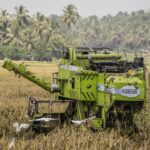
In the heart of countless cultures around the globe, rice stands as more than just a staple food—it’s a symbol of tradition, sustenance, adn community.For centuries, rice milling has been an age-old practice, steeped in rituals and craftsmanship. From the rhythmic pounding of mortar and pestle to the hum of modern machinery, the journey of rice milling reflects a delicate balance between heritage and innovation. As we delve into the modern transformation of this vital process, we uncover how age-old techniques are evolving to meet contemporary demands while preserving their cultural significance. Join us as we explore the intricate tapestry of tradition and technology that defines the modern journey of rice milling, revealing how this essential grain continues to nourish not only our bodies but also our shared histories.
Evolving Techniques in Rice Milling Technology
In the quest for efficiency and quality, rice milling technology has witnessed a remarkable transformation over the decades. Traditional methods, characterized by manual labor and rudimentary equipment, have gradually been supplanted by advanced machinery that emphasizes speed and precision. Today’s milling operations frequently enough incorporate techniques such as robotic automation, smart sensors, and AI-driven analytics. These innovations not only streamline the milling process but also enhance the nutritional profile and shelf life of the rice. Additionally, the integration of eco-friendly practices allows these modern systems to minimize waste and energy consumption, aligning with the growing global emphasis on sustainability.
Modern rice milling plants are increasingly embracing a variety of high-tech methodologies that cater to diverse consumer needs. Processes such as air jet milling, ultrasonic cleaning, and infrared drying have emerged as game changers in the industry, ensuring superior quality while preserving the essential nutrients found in rice. The following table highlights some key differences between traditional and contemporary milling techniques:
| Aspect | Traditional Milling | Modern Milling |
|---|---|---|
| Efficiency | Lower throughput | High-speed operations |
| Labor | Manual labor-intensive | automated systems |
| Quality | Inconsistent results | uniform and high-quality output |
| Sustainability | High waste and energy costs | Reduced environmental impact |
this evolution in rice milling technology not only reflects advancements in machinery but also embodies a shift towards a more thoughtful and efficient food production model, promising to meet the demands of a changing world.

Sustainable Practices for a Greener Future in Rice Production
In the quest for a greener future, rice production is embracing innovative sustainable practices that harmonize tradition with environmental stewardship. Farmers are increasingly adopting integrated pest management (IPM) techniques, which minimize chemical use while promoting biodiversity. This practice not only reduces the ecological impact but also enhances the resilience of the crops. Additionally, crop rotation is gaining traction to improve soil health and yield, as alternating rice with legumes can replenish essential nutrients naturally. Emphasizing the use of organic fertilizers derived from crop residues and livestock manure, these farmers are illustrating that sustainability can coexist with productivity.
Water management practices are also evolving, with techniques such as alternate wetting and drying (AWD) being implemented to conserve water resources without sacrificing rice yield.This strategy allows fields to dry out intermittently, significantly reducing water usage while improving rice quality.Furthermore, the introduction of mechanization in the milling process enhances efficiency, minimizes waste, and ensures high-quality production.To support these initiatives, educational programs and community workshops facilitate knowledge sharing among farmers about the benefits of these sustainable practices, fostering a collective commitment towards a greener agricultural future.
the Role of Community Engagement in Modern Rice Milling
In the evolution of rice milling, community engagement plays a pivotal role in not only preserving traditions but also fostering innovation. Local farmers, mill operators, and consumers are increasingly collaborating to enhance the efficiency and sustainability of rice production. By participating in farmer cooperatives and engaging in open forums, these stakeholders can share valuable insights about best practices and technological advancements. Such interactions help bridge the gap between traditional methodologies and modern techniques, ensuring that the wisdom passed down through generations is not lost but woven into contemporary practices.
moreover, community engagement fosters a sense of ownership and pride among local populations. When stakeholders actively participate, it encourages the use of locally-sourced materials and emphasizes environmentally friendly milling practices.This cooperative spirit is reflected in initiatives such as workshops and training sessions that educate the community on efficient milling processes, the importance of quality control, and the benefits of sustainable farming techniques. Further enhancing this synergy, local festivals celebrating rice harvest and milling serve not only as a means of cultural expression but also as platforms for stakeholders to network and collaborate. the essence of a resilient rice milling community lies in its ability to harmoniously blend the old with the new, creating pathways for future generations to thrive.
Navigating Market Trends and Consumer Preferences in Rice Products
As the demand for rice products continues to evolve, it becomes imperative for producers to stay attuned to market trends and shifting consumer preferences. Today’s consumers are increasingly health-conscious and environmentally aware, prompting a surge in interest for organic and sustainably sourced rice. In response to this trend, many rice mills are adopting innovative milling techniques that not only preserve the nutritional value of the grains but also minimize waste. These methods cater to a market that increasingly values transparency and sustainability, aligning production practices with consumer desires for higher-quality, eco-friendly products.
Additionally,the rise of globalization has brought a rich tapestry of culinary influences,as consumers seek varied flavors and textures in their rice products. This shift has led to an emerging interest in specialty rice varieties such as Jasmine,Basmati,and even more niche options like black or red rice. To effectively capture this expanding market segment, producers are now focusing on enhancing their product lines to include such varieties, which not only attract a broader customer base but also promote cultural gratitude. Adapting to these tastes often involves exploring creative packaging and marketing strategies that highlight the unique qualities of different rice types.
Final Thoughts
As we wrap up our exploration of the modern journey of rice milling, it becomes clear that this age-old tradition is not just about grains and machinery—it is a tapestry woven with heritage, innovation, and the relentless pursuit of progress. From the rustic,manual processes of yesteryears to the sophisticated technologies of today,rice milling stands as a testament to humanity’s ability to adapt and thrive.
The evolution of rice milling reflects broader shifts in society, agriculture, and technology. It highlights the delicate balance between preserving time-honored practices and embracing the efficiencies of the modern world. As we look to the future, the rice milling industry will likely continue to evolve, driven by sustainability concerns, consumer demands, and the need for resilience in a changing climate.
In this dialog between the past and the present, we find not just the story of rice, but also a mirror reflecting our own journey as we strive to honor tradition while forging a sustainable path forward. let us celebrate this intricate relationship between time and technology, as we nourish not only our bodies but also the rich cultures and practices that feed our souls. The journey of rice milling is far from over; it continues to unfold, offering lessons and insights that resonate deeply within the fabric of our global society.