
Unpacking the World of Rice Mills: grain to Table Journey
In the heart of every meal lies a humble grain that has nourished civilizations for thousands of years: rice. From the lush paddies that stretch across continents to the bustling rice mills that serve as the crucial nexus between farm and table, the journey of this staple food is both fascinating and complex.Yet, beyond the simple act of cooking rice lies a rich tapestry of tradition, technology, and teamwork. This article invites you to explore the intricate processes that transform freshly harvested grains into the polished rice that graces our plates. Join us as we delve into the world of rice mills, uncovering the steps, innovations, and stories that connect the agricultural landscape to our kitchens, illuminating the journey from grain to table.
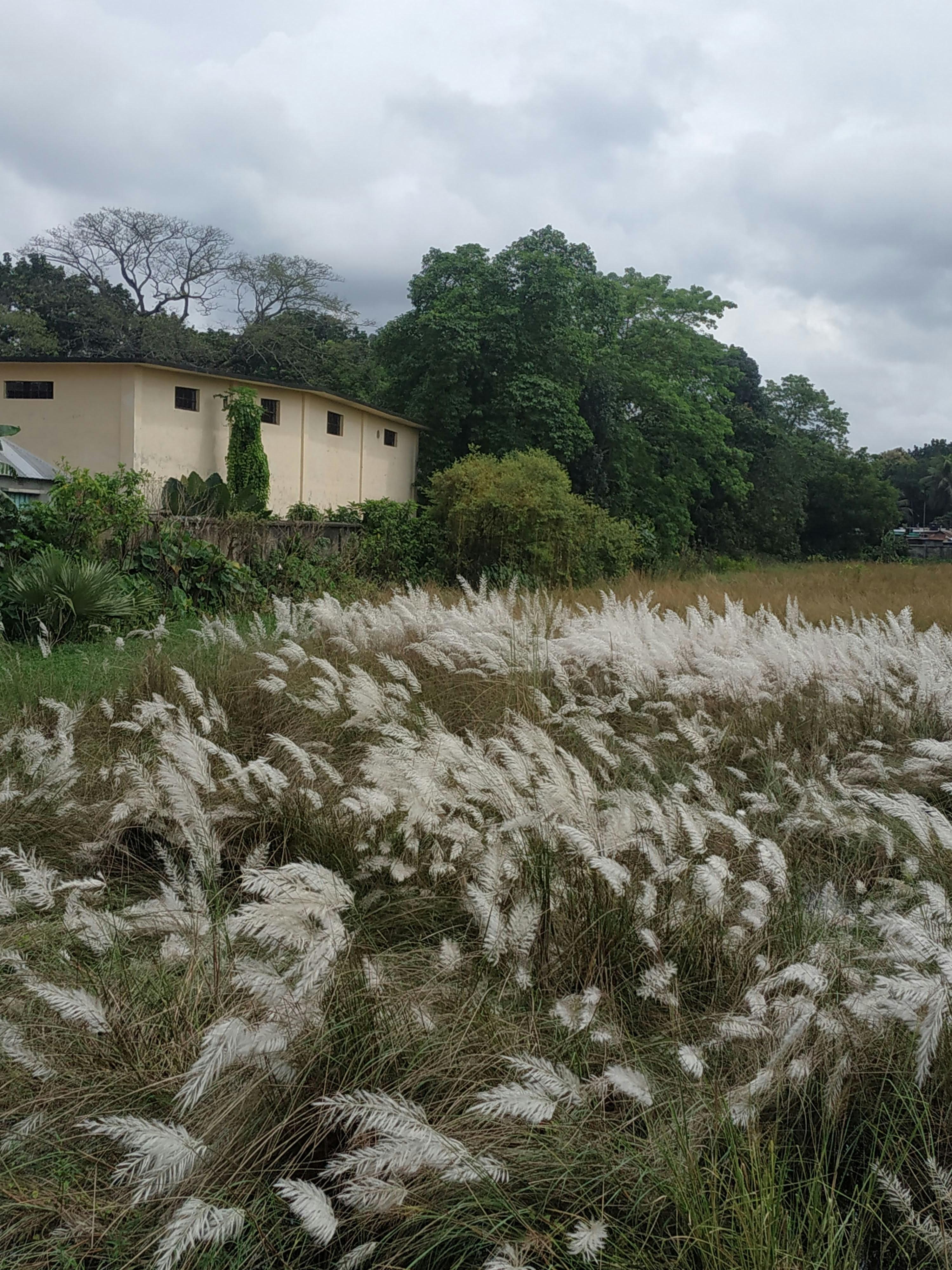
Understanding the Essential Role of Rice Mills in Food Production
Rice mills serve as the vital processing hubs in the journey from grain cultivation to the diner’s table. As a fundamental component of the agricultural sector, these facilities transform raw, harvested paddy into consumable rice, ensuring that the end product meets quality and safety standards. The process begins with extensive cleaning and hulling, where foreign materials and the outer husk of the grain are removed. later, the rice undergoes milling, which polishes the grains and enhances their appearance, ensuring they appeal to consumers. Modern rice mills utilize state-of-the-art technology to streamline production while maintaining optimal nutritional value.
In addition to processing functionalities, rice mills play an essential role in enhancing local economies and supporting enduring agriculture. They provide employment opportunities and promote community development by creating a stable market for local farmers, who can sell their produce directly to mills. This local connection not only fosters a sense of partnership but also encourages sustainable farming practices as farmers are motivated to produce high-quality rice. Moreover, some mills are embracing innovative techniques that reduce waste and energy consumption, contributing to a more sustainable food production ecosystem.
| Function | Description |
|---|---|
| Cleaning | removal of impurities and foreign material from paddy. |
| Hulling | Separation of the rice husk from the grain. |
| Milling | Polishing the rice to enhance its quality and appeal. |

Exploring the Processing Techniques that Shape rice Quality
Rice processing is a meticulous journey that begins in the fields and ends on our plates,with each technique significantly influencing the quality of the final product. Understanding these methods is essential for anyone who appreciates the nuances of rice. From harvesting to milling, each step plays a vital role in determining the taste, texture, and nutritional value of the grain. Among the various techniques, the most notable include:
- Paddy Drying: Before milling, freshly harvested rice is dried to reduce moisture content, preventing spoilage and ensuring longevity.
- Milling: This transforms paddy into white rice through a series of processes, including husking, de-hulling, and polishing, which refine the grain and enhance its shelf-life.
- Parboiling: Soaking, steaming, and drying the rice adds nutritional value and significantly alters cooking properties, making for a firmer texture.
Along with these techniques, quality control measures are crucial at each stage to ensure consistency. A well-structured process allows for the categorization of rice based on its quality, ultimately guiding consumers in their choices.Below is a table illustrating some common rice varieties alongside their unique processing styles and qualities:
| Rice Variety | Processing Technique | Key Characteristics |
|---|---|---|
| jasmine | Steamed and Dried | Floral aroma, sticky texture |
| Basmati | Soaked and Aged | Long grain, nutty flavor |
| Arborio | Polished | Creamy texture, high starch |
Sustainable Practices in Rice Milling: Balancing Efficiency and Environment
In an era where environmental considerations are paramount, rice milling operations are adapting to balance productivity with sustainable practices. Innovations in technology have empowered mills to improve efficiency while significantly reducing their carbon footprint.Key strategies include:
- Water conservation: Implementing systems that recycle water used in milling processes,minimizing waste and preserving valuable resources.
- Energy efficiency: Upgrading machinery to energy-efficient models and utilizing alternative energy sources, such as solar or biogas.
- Waste Utilization: Harnessing by-products like husk and bran for bioenergy or animal feed, thus ensuring that no part of the rice goes to waste.
Moreover, quality assurance in rice milling is evolving to reflect these environmental priorities. Mills are adopting certifications that promote organic products and environmentally pleasant practices. This commitment encourages clarity in sourcing while providing consumers with quality rice with the assurance of sustainable methods.To support this movement, a comparison of conventional vs. sustainable milling practices frequently enough illustrates the benefits:
| Aspect | Conventional milling | Sustainable Milling |
|---|---|---|
| Water Usage | High | Reduced through recycling |
| Energy Consumption | High | Lower with renewable options |
| Waste Management | Minimal recycling | Effective waste repurposing |
From field to Fork: Navigating the Supply Chain of Rice Products
when it comes to understanding the journey of rice from the field to our plates, it’s fascinating to explore the intricate web of processes involved. Harvesting marks the crucial first step, where golden stalks are skillfully cut and gathered. Following this, rice grains undergo a rigorous cleaning process in mills, eliminating impurities and preparing them for further conversion. As the grains are milled, this stage breaks down the hull and bran layers, leading to the production of either white or brown rice, depending on the milling technique used. The selection of each rice variety adds another layer of complexity, with different textures and flavors adding to culinary diversity.
once this transformation is complete, the rice is packaged and shipped, ready to embark on a global journey. The distribution phase plays a pivotal role, as logistics companies ensure timely delivery to grocery stores and restaurants. Here’s a glimpse of the various rice products you might encounter on the shelves:
| Rice Product | Description |
|---|---|
| White rice | Commonly used, with a soft texture and versatile applications. |
| Brown Rice | A whole grain option, known for its nutty flavor and health benefits. |
| Jasmine Rice | A fragrant long-grain rice, ideal for Thai dishes. |
| Basmati Rice | Long grain rice with a distinctive aroma, perfect for Indian cuisine. |
As consumers, being aware of this expansive journey enhances our recognition for rice and its many forms. From artisanal producers boasting organic methods to large-scale operations providing for global demand, each piece of rice embodies a story, connecting us to the land and the farmers who cultivate it with care.
Closing Remarks
As we conclude our exploration of the intricate journey that rice undertakes from mill to table, it’s clear that this staple grain is far more than just a dietary essential. Each grain, from its origin in the lush paddies to its transformation in the mill, carries with it stories of tradition, innovation, and the hard work of countless individuals.
Understanding the multifaceted processes involved in rice milling not only deepens our appreciation for this humble food but also highlights the broader agricultural ecosystem that sustains it. We see how technology and tradition intertwine, creating a final product that nourishes millions around the globe.
As you savor your next bowl of rice, take a moment to reflect on the journey it has made – a testimony to the resilience and ingenuity of those who cultivate and process this crucial crop. The world of rice mills is not merely about machinery and production; it’s about the connections we forge through food, the cultures we celebrate, and the sustenance that brings us together.With every grain, we partake in a legacy that transcends time and borders, reminding us that even the simplest meal can carry profound importance.



