
In a world where efficiency and precision define success, the rice milling industry stands at the forefront of agricultural innovation. With the booming demand for high-quality rice products,understanding the intricacies of rice milling technology is more crucial than ever. “Unlock efficiency: The Complete Rice Milling Machine Guide” offers an in-depth exploration of the machines that transform paddy into the fluffy grains we cherish on our plates. From the basic principles of milling to the latest advancements in machinery, this guide will equip you with the knowledge to enhance productivity, reduce waste, and optimize quality in the milling process. join us as we delve into the essential components, operational techniques, and maintenance tips that will empower you to navigate the complex landscape of rice milling with confidence and skill. Embrace the possibility to revolutionize your milling operations and unlock the full potential of your rice production with this comprehensive resource.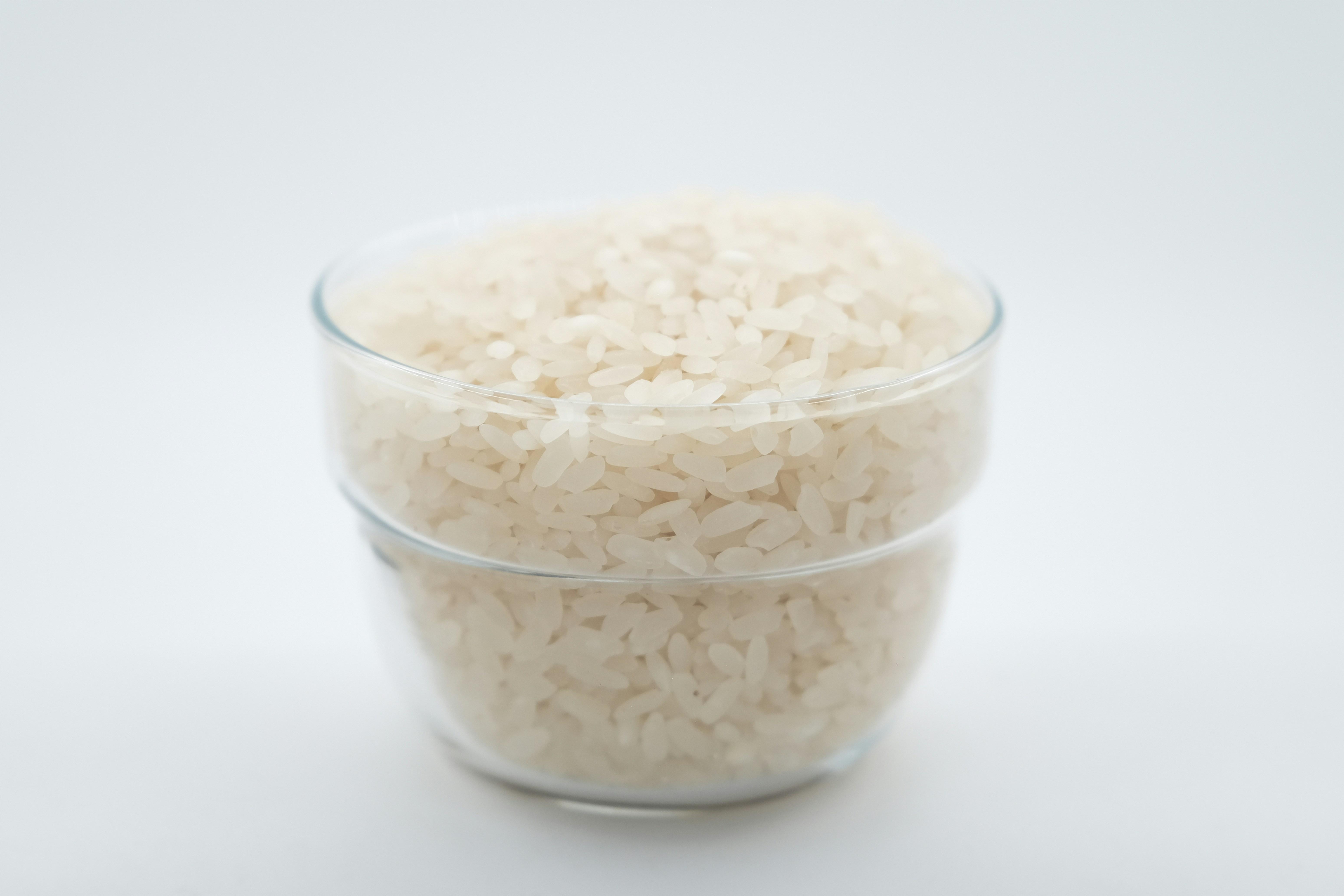
Understanding Rice Milling Processes for Optimal Performance
The rice milling process is a crucial step in transforming harvested paddy into the white rice that is ready for consumption. This transformation involves several stages, each with its own significance and impact on the quality of the final product. The main stages include:
- Pre-cleaning: Removing impurities such as husks,stones,and debris.
- De-husking: Separating the hull from the grain to produce brown rice.
- Milling: Further processing the brown rice to attain the white rice form.
- Polishing: Enhancing the appearance and texture of the rice.
- Sifting and grading: Sorting the rice by size and quality for optimal market presentation.
To achieve optimal performance in rice processing, understanding the machinery involved is essential. Modern rice milling machines come equipped with technology to enhance efficiency and minimize waste. For example, the following features are frequently enough included in high-performance models:
| Feature | Benefit |
|---|---|
| Automated Control Systems | improves consistency and reduces manual errors during processing. |
| Multi-stage Milling | Increases yield by effectively processing various grain sizes. |
| Energy-efficient Motors | Reduces operational costs and environmental impact. |
With the right choice of milling machinery and a thorough understanding of the processes involved, rice millers can enhance their productivity while ensuring high-quality outputs.

key Features to Consider in Modern Rice Milling Machines
When investing in a rice milling machine,it’s crucial to focus on functionality and technology that streamline operations and enhance productivity. Capacity is a primary factor; modern machines come in various sizes, with options that can process from a few hundred to several tons of rice per hour. additionally,the degree of automation plays a meaningful role – choose between semi-automated systems that require manual intervention and fully automated machines that operate with minimal supervision,offering a blend of convenience and efficiency.
Another vital consideration is energy consumption. Opt for machines designed with energy-efficient technologies, which not onyl reduce operational costs but also promote sustainability. Versatility is equally important; machines that can handle different types of rice and adapt to varying milling requirements can provide better value. To ensure premium quality, look for machines that come equipped with advanced polishing and milling mechanisms. This ensures that the final product is not just efficient but also meets quality standards, elevating the overall milling experience.
| Feature | Benefits |
|---|---|
| High Capacity | Increased throughput, reducing time spent on milling. |
| Automated Operations | Less labor required, minimizing human error. |
| Energy Efficiency | Lower operational costs and environmental impact. |
| Diverse Processing | Flexible usage for different rice varieties. |
| Quality control Features | Ensures high-quality rice with enhanced market appeal. |
Maintenance Best Practices for Longevity and Efficiency
To ensure the prolonged lifespan and optimal performance of your rice milling machine, implementing a routine maintenance schedule is essential. Regular checks can prevent minor issues from escalating into major repairs. Key practices to consider include:
- Cleansing the Machine: Regularly remove any residual rice husks and other debris from the machine’s interior and exterior to improve airflow and prevent blockages.
- Lubricating Moving Parts: Ensure that you apply appropriate lubricants to all moving components as per the manufacturer’s guidelines to reduce friction and wear.
- Checking for Wear and Tear: Regularly inspect belts, blades, and screens for signs of damage or wear; replace any worn parts to maintain peak efficiency.
- Calibration: Periodic recalibration of the settings ensures the machine operates at its best efficiency; follow the manufacturer’s recommendations.
Moreover, investing in professional servicing at scheduled intervals can further enhance machine performance. A thorough maintenance checklist might include:
| Maintenance Task | Frequency |
|---|---|
| Inspect and Clean Filters | Weekly |
| Lubricate Bearings | Monthly |
| Check Electrical Connections | Quarterly |
| Professional Service | Annually |
By adhering to thes practices, you not only extend the life of your rice milling machine but also enhance its efficiency, leading to better output and reduced operational costs.
Comparative Analysis of Top Rice Milling Brands for Informed choices
When evaluating the top rice milling brands, several factors must be considered to ensure that you make an informed decision. It’s essential to assess the efficiency,durability,and user-friendliness of the machines on offer.Leading brands such as Satake,PaddyMaster,and Nunit showcase a variety of models,each designed to meet specific milling needs. Attributes like processing speed, energy consumption, and maintenance requirements are critical for businesses looking to maximize productivity without compromising quality. A thorough examination of customer reviews and product specifications can illuminate which brand consistently delivers superior results in various operational environments.
Additionally, understanding the innovative features that distinguish these brands can further aid in creating a well-rounded view of your options. Consider the following aspects in your analysis:
- Technology Integration: Emphasis on automation and monitoring tools.
- customization: Availability of tailored solutions for different rice varieties.
- Service and Support: Comprehensive after-sales service and warranty offerings.
Below is a comparison table of some prominent rice milling machines, showcasing their key features to facilitate better understanding:
| Brand | Model | Processing Capacity (kg/h) | Power Requirement (HP) | Notable Feature |
|---|---|---|---|---|
| Satake | NM-10 | 1000 | 10 | High-efficiency milling |
| PaddyMaster | PM-300 | 800 | 7.5 | Automatic grain feeder |
| Nunit | NU-500 | 600 | 5 | compact design for small operations |
To Wrap It Up
As we conclude our exploration of the intricate world of rice milling machines, it becomes clear that unlocking efficiency in rice production is a journey that involves more than just selecting the right equipment. From the initial choice of machinery to the nuances of operation and maintenance, each aspect plays a pivotal role in maximizing yield and ensuring quality.
This guide has armed you with the knowledge to navigate the diverse landscape of rice milling, empowering you to make informed decisions that align with your specific needs and aspirations. Whether you are a seasoned mill operator or a newcomer eager to enter this essential industry, the insights shared here can serve as a compass in your quest for operational excellence.
As the industry continues to evolve with advancements in technology and sustainability practices, one thing remains certain: staying informed and adaptable will always be key to thriving in the rice milling sector. With the right tools and strategies in hand, the pathway to unlocking new levels of efficiency and success is well within reach. Here’s to a future of productive milling that not only meets the demands of today but anticipates the needs of tomorrow. Happy milling!



