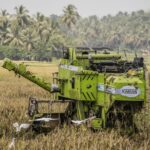
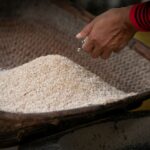
In the heart of fields where golden grains sway gently with the breeze, a quiet revolution is unfolding. As the sun rises over the horizon,casting its warm glow on the landscape,modern rice machinery emerges as a pivotal force reshaping traditional farming practices. In a world grappling with the challenges of food security and sustainable agriculture,these innovations are not merely tools; they are lifelines that promise to unlock unprecedented levels of productivity. From sleek harvesting combines that glide effortlessly through rows of rice to advanced sowing machines that ensure optimal seed placement,the era of mechanized cultivation is here. This article delves into the transformation that modern rice machinery brings to the agricultural sector, exploring its impact on efficiency, economic viability, and the future of rice production. Join us as we unravel the threads of technology and tradition woven together in the pursuit of nourishment for a growing population.
Exploring Cutting-edge innovations in Rice Machinery
As the global demand for rice continues to surge, advancements in rice machinery have become pivotal in enhancing productivity and sustainability within the agricultural sector. Farmers are now embracing cutting-edge technologies that streamline traditional processes,thereby minimizing labor and maximizing efficiency. These innovations include:
- Automated Harvesters: Equipped with AI-driven sensors to optimize cutting patterns, automated harvesters can significantly reduce the time and effort required for harvesting.
- Rice Milling Machines: Modern mills come with integrated polishing units that enhance grain quality while reducing broken grains, thus increasing market value.
- Precision Irrigation Systems: These systems utilize soil moisture sensors and weather data to optimize water usage, promoting healthier crops and sustainability.
- Drone Technology: Agricultural drones are now used for crop monitoring and mapping, providing real-time data that aids in efficient resource allocation.
To illustrate these advancements further, the following table highlights some of the leading technologies in rice machinery along with their key benefits:
| technology | Benefits |
|---|---|
| Automated Harvesters | increased speed with reduced labor costs |
| Rice Milling Machines | Enhanced grain quality and yield |
| Precision Irrigation Systems | Water conservation and optimized growth |
| Drone Technology | Real-time monitoring for better decision-making |
These breakthrough innovations not only support farmers in meeting growing food demands but also contribute to economic sustainability. By adopting modern machinery, rice growers are stepping into a new era characterized by enhanced productivity, reduced environmental impact, and increased profitability.

Enhancing Efficiency: The Impact of Automation on Rice Production
In recent years, the integration of automation in rice production has transformed the landscape of agriculture, leading to remarkable improvements in productivity and efficiency. By employing cutting-edge machinery such as automated seeders, harvesters, and drones, farmers are now able to optimize various stages of the rice cultivation process.These advanced tools not only enhance precision but also significantly reduce labor costs, enabling producers to allocate resources more effectively. The adoption of these technologies has resulted in:
- Accelerated planting and harvesting: With automated systems,the time needed for planting and harvesting rice has been drastically reduced,allowing for multiple crop cycles within a year.
- Improved precision: High-tech machinery ensures that seeds are planted at optimal depths and distances, fostering healthier crop growth.
- Data-driven decision making: Drones and sensors provide real-time data on soil health and moisture levels, allowing farmers to make informed decisions that improve yield quality.
Furthermore, these advancements come with environmental benefits. Automation reduces the necessity for chemical inputs as precision agriculture techniques help minimize waste. A well-managed farming operation can lead to a decrease in pesticide and fertilizer usage, contributing to more sustainable practices. The following table summarizes key benefits associated with automating rice production:
| Benefit | Description |
|---|---|
| Increased Yield | Higher productivity per acre due to optimized planting and harvesting processes. |
| Cost Efficiency | Reduction in labor costs, allowing for better allocation of financial resources. |
| Environmental Sustainability | Less chemical usage aligns agriculture with eco-friendly practices. |
Sustainable Practices: How Modern machinery Supports Environmental Goals
Modern rice machinery has transformed the agricultural landscape,aligning productivity with environmental sustainability. Precision farming technologies, such as GPS-guided tractors and drones, enable farmers to optimize their operations while minimizing the ecological footprint. By utilizing these advanced tools, rice growers can achieve the right balance of resources, thereby promoting healthier ecosystems. With features like variable rate technology, these machines allow for targeted submission of fertilizers and pesticides, wich helps in reducing waste and limiting runoff into nearby water bodies.
Moreover, the integration of renewable energy sources, such as solar-powered irrigation systems, is a game-changer in enhancing sustainability. These innovations not only cut down on fossil fuel consumption but also offer cost-effective solutions for farmers.Modern machinery supports practices that include:
- Reduced water usage: technologies that monitor soil moisture help optimize irrigation schedules.
- Crop rotation techniques: Machinery designed for multi-crop applications supports biodiversity and soil health.
- Waste management: Integrated systems for rice straw management promote soil enrichment and reduce burning.
To illustrate the impact of modern machinery on environmental goals, consider the following comparison of traditional vs. modern rice cultivation practices:
| Practice | Traditional Methods | Modern Machinery |
|---|---|---|
| Resource Usage | High (overuse of water and chemicals) | Optimized (precision application and conservation) |
| Soil Health | Degradation over time | Enhanced (through cover cropping and reduced tillage) |
| carbon Emissions | High (fuel-intensive) | Lower (renewable energy sources) |
Through these advancements, farmers not only increase their yields but also contribute positively to environmental stewardship, paving the way for a more sustainable agricultural future.
Investing in the Future: Best Practices for Integrating New Technologies in Rice Farming
As rice farming navigates the complexities of modern agriculture, adopting innovative technologies is paramount for improving productivity and sustainability. Embracing precision farming tools not only enhances yields but also allows farmers to make informed decisions based on real-time data. Key practices include:
- Utilizing Drones: Aerial imagery and monitoring enable precise assessment of crop health.
- Implementing IoT Devices: Sensors in the field collect valuable data on soil moisture and nutrient levels.
- Leveraging AI Analytics: Artificial intelligence models predict optimal planting times and crop varieties.
Additionally, investing in state-of-the-art machinery can streamline operations while reducing labor costs.Modern equipment such as seeders and automated harvesters drastically cut down on manual labor, allowing farmers to allocate resources more efficiently. Consider the following benefits of advanced machinery:
| Machine type | Benefit | Impact |
|---|---|---|
| Seeder | Precision planting | Enhanced germination rates |
| Harvester | Faster harvest | Reduced labor costs |
| Irrigation System | Optimized water usage | Improved crop resilience |
Farmers who integrate these technologies are likely to see not only improvements in their crop yields but also ample savings and efficiency in their farming practices. The future of rice farming lies in this convergence of technology and agriculture, leading to a more productive and sustainable approach.
to Wrap It Up
In a world where efficiency reigns supreme,the evolution of rice machinery stands as a testament to human ingenuity and our relentless pursuit of progress. as we’ve explored the innovations transforming the rice industry, from precision planting to automated harvesting, it’s clear that these advancements not only bolster productivity but also pave the way for sustainable farming practices. The rise of modern rice machinery is not just about higher yields; it’s about empowering farmers, enhancing food security, and preserving our planet for future generations. As we look ahead, the intersection of technology and agriculture will undoubtedly continue to redefine our relationship with food production, reminding us that every grain of rice carries the potential for change. By embracing these innovations, we unlock not only the doors to productivity but also the keys to a more resilient and sustainable future.