
In the heart of sprawling fields where golden cornstalks sway gently in the breeze, a remarkable journey begins—one that transforms humble kernels into a myriad of culinary delights enjoyed around the globe. “Unveiling the Corn Processing journey: From Field to Fare” takes you on an intricate exploration of this agricultural marvel. As we delve into the various stages of corn processing, we will uncover the artistry and science behind turning nature’s bounty into the familiar products that grace our tables. From the rich soil underfoot to the bustling kitchens of chefs and home cooks alike, join us as we illuminate the path of corn through the eyes of farmers, processors, and innovators who each play a crucial role in this engaging journey. Discover how every step, every method, and every decision shapes not just the flavors we savor, but also the sustainability of our food systems.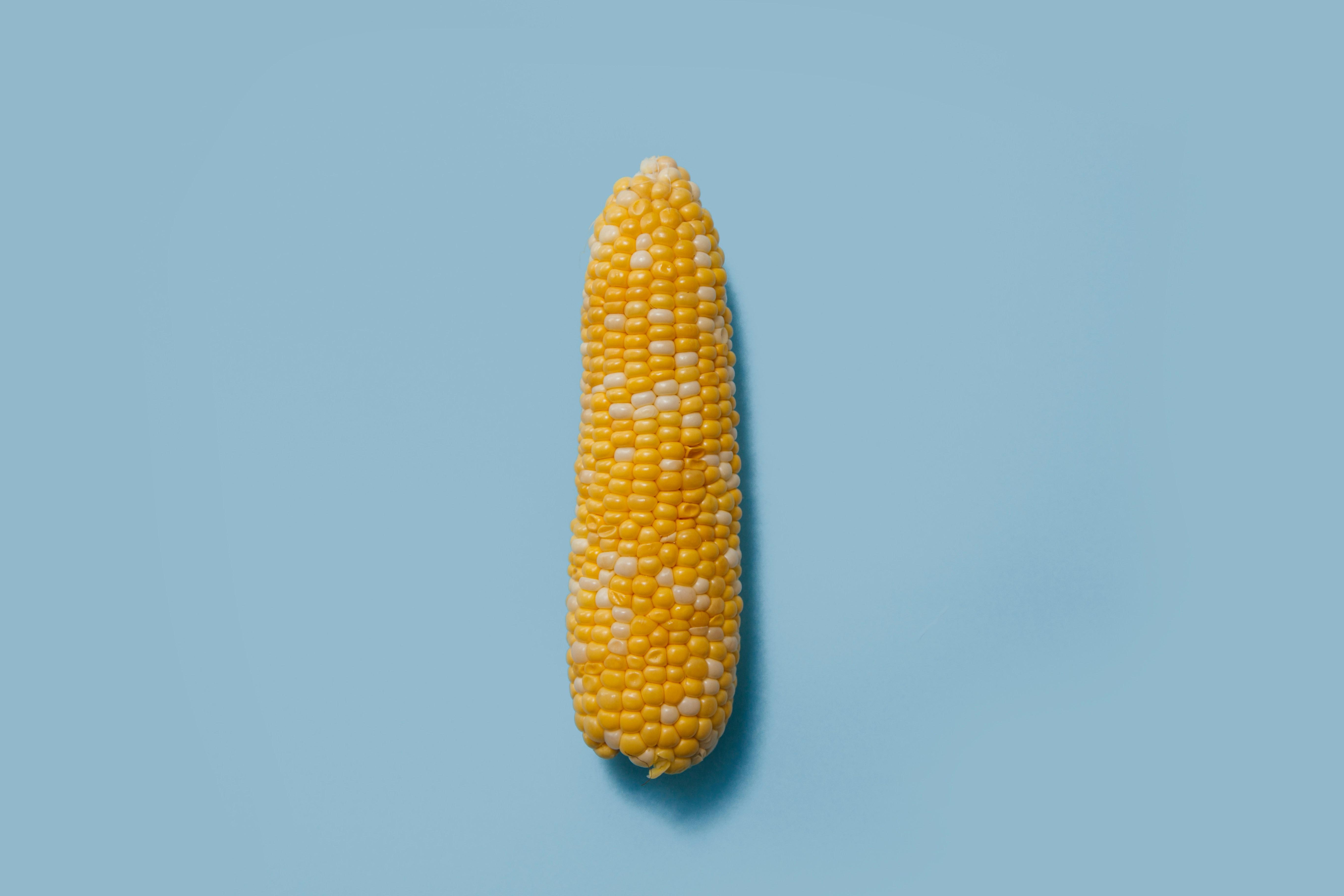
Understanding the Life Cycle of Corn: From Seed to Harvest
The life cycle of corn is a remarkable journey, beginning with the planting of seeds that contain the potential for bountiful harvests. When conditions align—warmth,moisture,and soil nutrients—the seeds germinate,pushing through the earth to start their life above ground. over the weeks that follow, the young corn plants enter a phase of rapid growth, characterized by a series of critical steps:
- Emergence: As the leaves develop, they begin to photosynthesize, converting sunlight into energy.
- Tasseling: This stage signifies the beginning of reproduction, with male flowers emerging at the top.
- Silking: Female flowers, or silks, appear, ready to receive pollen for fertilization.
- Kernel Development: Following successful pollination, the kernels begin to form on the ears, maturing over time.
As the growth cycle nears completion, farmers monitor moisture levels, preparing for the final stages before harvest. Understanding the optimal time for collecting the corn is critical, as it ensures maximum yield and quality. The transition to harvest is marked by:
- Maturation: Kernels reach their peak firmness and moisture content, ready for collection.
- Harvesting: Combines cut the plants and separate the corn from the husks and cobs.
- Post-Harvest Processing: This involves drying and storing the corn to maintain quality.
Below is a brief overview of the various stages of corn growth and their respective time frames:
| Stage | Duration |
|---|---|
| Germination | 5-10 days |
| Vegetative Growth | 6-8 weeks |
| tasseling | 1-2 weeks |
| Silking | 1-2 weeks |
| Maturation | 4-6 weeks |

The Transformation Process: Key steps in Corn processing
Transforming corn into consumable products is a meticulous journey that encompasses several key steps, each vital to preserving quality and enhancing usability. the journey begins right in the field, where the harvesting process captures plump, ripe kernels at just the right moment, ensuring optimal flavor and nutrition. After harvest, transportation to processing facilities is organized to maintain the corn’s freshness. In the facility, the frist significant step involves cleaning, where debris and impurities are meticulously removed. Following cleaning, corn undergoes milling, a critical transformation where it is ground into flour or meal, depending on the desired end product. Throughout this process, quality control checks are implemented to uphold standards, ensuring only the best corn makes it through the next stages.
Once milled,processing can branch into different directions depending on market demand. For instance, corn can be further processed into corn syrup through enzymatic treatment, or fermented to produce corn ethanol, contributing to energy solutions. Another popular transformation is converting corn into popcorn, which involves popping with heat, resulting in a light, airy snack. Each pathway enhances the versatility of corn, showcasing its importance in various culinary applications. Below is a simple table representing several common corn products along with their primary uses:
| Product | Primary Use |
|---|---|
| Cornmeal | Baking and cooking |
| corn Syrup | sweetener in processed foods |
| Corn Oil | Cooking and frying |
| Popcorn | Snack food |

Nutritional Insights: Elevating Corn’s Role in Healthy Diets
As corn travels from the vast fields to the kitchen table, its nutritional potential is often overlooked. Packed with essential vitamins and minerals, corn serves as a valuable addition to a balanced diet. This incredible grain promotes health with its rich content of fiber, which aids digestion and enhances satiety, making it a smart choice for weight management. Additionally, corn contains vital nutrients such as:
- Vitamin B6 – supports metabolism and boosts brain health.
- Magnesium – crucial for muscle and nerve function.
- Folate – essential for DNA synthesis and repair.
Incorporating corn into everyday meals can be both delicious and healthful. Whole corn products, such as cornmeal and polenta, can be transformed into versatile dishes suitable for various culinary preferences. Remarkably, corn also serves as a gluten-free alternative, which opens new avenues for those with dietary restrictions. The table below highlights the nutritional advantages of different corn products, showcasing their health benefits:
| Product | Calories (per 100g) | Fiber (g) | Vitamin A (% DV) |
|---|---|---|---|
| Whole Corn | 86 | 2.4 | 4% |
| Cornmeal | 365 | 7.3 | 0% |
| Popcorn | 387 | 14.5 | 0% |
| Corn Oil | 884 | 0 | 0% |
By embracing corn in its various forms, individuals can elevate their meals while reaping the diverse nutritional benefits this golden grain has to offer. Whether enjoyed as a side dish, snack, or a main ingredient, corn plays a crucial role in promoting a wholesome and nourishing diet.

Sustainable Practices: Innovations in Corn Cultivation and Processing
As modern agriculture increasingly strives for sustainability, the cultivation of corn has embraced innovative practices that minimize environmental impact while enhancing productivity. Techniques such as no-till farming, which reduces soil erosion and improves water retention, have gained traction among farmers looking to maintain soil health for the long term. Moreover, precision agriculture utilizes technology, such as drones and satellite imaging, to optimize input use, enhancing yield while significantly cutting down on waste. These strategies not only contribute to an eco-friendlier corn production process but also ensure that farmers can meet the growing demand for this staple crop.
Furthermore,sustainable processing methods are transforming the way corn is utilized and consumed. with an increasing focus on reducing food waste, innovative practices such as upcycling by-products from corn processing into animal feed or even biodegradable products have gained prominence. Corn-derived ingredients, such as bio-based plastics and natural sweeteners, showcase a shift towards a circular economy, where waste is minimized, and resources are fully leveraged. This interconnected approach fosters a deep respect for the surroundings while paving the way for a more sustainable food system that benefits both producers and consumers.
The Conclusion
As we conclude our exploration of the corn processing journey, from the sun-kissed fields to your cherished plate, we invite you to reflect on the intricate tapestry woven by this humble grain. Each step in the processing path reveals the dedication of farmers, the innovation of technology, and the artistry of culinary creators, all coming together to transform a simple seed into a staple of our diets.
Understanding this journey not only deepens our gratitude for corn but also highlights the interconnectedness of agriculture, industry, and cuisine. As you savor your next corn-based dish, remember the efforts that go into bringing this versatile ingredient to your table. With every bite,you partake in a story of resilience,creativity,and sustainability that has been unfolding for centuries.
Thank you for joining us on this enlightening voyage through the world of corn processing. May it inspire you to explore, taste, and celebrate the myriad ways this vibrant crop continues to shape our culinary landscape.



