
Unlocking the Grains: The Art and Science of Cereal Milling
In the heart of our kitchens lies a humble yet vital ingredient that has sustained civilizations for millennia: cereal grains. From the golden fields of wheat to the resilient stalks of rice, these tiny powerhouses serve as the foundation for a multitude of foods that nourish and delight. Yet, behind the scenes of every loaf of bread and bowl of breakfast cereal, there exists a complex and fascinating process that transforms raw grains into the products we cherish. This is the world of cereal milling—a harmonious blend of art and science where traditional techniques meet modern innovation. In this article, we will explore the intricate journey of grains from field to flour, unveiling the methods, machinery, and mastery that unlock the potential within each kernel. Join us as we delve into this essential practice that not only shapes our diets but also connects us to our agricultural roots.
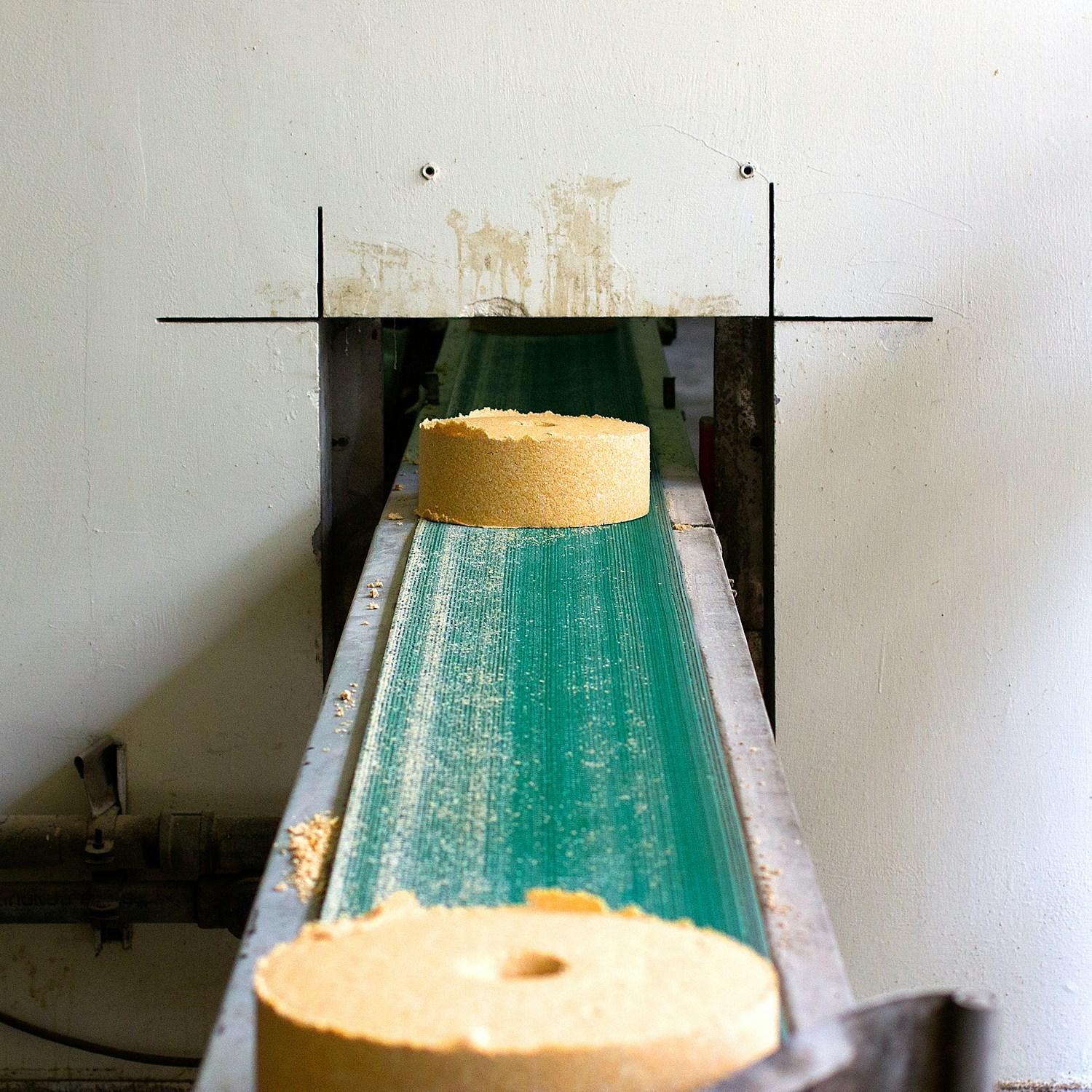
Understanding the Milling Process and Its Importance in Grain Quality
The milling process is a meticulous fusion of art and technology, where the transformation of raw grain into flour requires skill, precision, and an understanding of the grain’s inherent characteristics. Each step of the milling procedure plays a pivotal role in enhancing the quality of the final product. Key stages in milling include *cleaning*, *conditioning*, *grinding*, and *sifting*. Proper cleaning eliminates impurities, protecting both the quality of the grain and the milling equipment. Conditioning involves introducing moisture to the grain, allowing for optimal grinding by softening the bran and germ while preserving the endosperm’s integrity.
The meaning of these processes extends beyond mere production; they influence key factors that dictate grain quality, including nutritional value, texture, and shelf life. Understanding the milling process allows millers to tailor their techniques to enhance specific attributes, ensuring consistency in flour characteristics. In practice, the selected milling method affects various outcomes, such as:
- Particle Size: Finer flour yields smoother blends, while coarser textures can add unique flavors.
- retention of Nutrients: Optimal milling maintains essential vitamins and minerals in the flour.
- Flavor Growth: The milling process can influence the aromatic profile by retaining the natural oils in the grain.
| Milling Stage | Purpose |
|---|---|
| Cleaning | Remove impurities and foreign materials |
| Conditioning | Prepare grains for effective grinding |
| Grinding | Reduce grain size and obtain flour |
| Sifting | Separate fine flour from coarser particles |

Exploring the Engineering Behind Modern Milling Techniques
the evolution of milling techniques has been a remarkable journey, blending time-honored traditions with cutting-edge technology. At the core of modern milling is a complex interplay of mechanical engineering and information technology, designed to maximize efficiency while preserving the nutritional value and sensory qualities of grains. Innovations such as roller mills and stone mills have emerged from the crucible of research and development, enabling mills to achieve precise control over the grinding process. This not only optimizes flour yield but also affects the texture and flavor profile, essential elements for baking and cooking.
Understanding the intricacies of milling is akin to appreciating a finely crafted work of art. The process begins with the selection of high-quality grains, followed by stages that include cleaning, conditioning, and grinding. Each of these stages employs advanced machinery that incorporates features such as:
- Automation: Reducing human error and ensuring consistency.
- Adjustable settings: Allowing for custom milling according to specific grain types.
- Energy efficiency: Utilizing methods that minimize environmental impact.
these techniques are not merely about efficiency; they encompass a deep respect for the grain itself. The milling process must strike a delicate balance between extracting the wheat’s goodness and retaining its inherent characteristics, a challenge met by engineers and millers alike. A look at the technical specifications reveals how advancements in milling have cultivated a new era of grain processing, reflecting a synergy of nature and innovation.
Nutritional Profiling of Milled Grains: Benefits and Considerations
The process of milling grains transforms whole seeds into a variety of products, each with distinct nutritional attributes. Understanding the composition of milled grains is essential for optimizing health benefits while navigating the trade-offs that come with processing. Milled grains often lose certain components during production, leading to a shift in their nutritional profiles. Vital factors to consider include:
- Fiber content: Whole grains maintain their natural fiber, which is critical for digestion, whereas refined grains often have reduced fiber levels.
- Vitamins and minerals: The outer layers of the grain contain essential nutrients, such as B vitamins and iron, which are frequently lost in the milling process.
- Glycemic index: Milled grains can differ significantly in their glycemic indices, influencing blood sugar levels and overall metabolic response.
Moreover, fortification strategies can help offset the loss of nutrients, particularly in products made from highly refined grains.Consumers should pay attention to labeling that reflects enriched or fortified options, ensuring they can find balance in their diets.A comparative look at common milled grains can better illustrate their nutritional advantages and drawbacks:
| Grain Type | Fiber (g) | B Vitamins (mg) | Iron (mg) |
|---|---|---|---|
| Whole Wheat | 12.2 | 0.83 | 3.2 |
| White Rice | 0.6 | 0.05 | 0.2 |
| Brown Rice | 3.5 | 0.21 | 0.4 |
| Quinoa | 2.8 | 0.11 | 1.5 |

Best Practices for Optimal Milling: Recommendations for Producers and Consumers
Achieving optimal milling results requires a blend of science and careful attention to detail. Producers should emphasize the importance of selecting the right grain variety, as this can significantly impact the milling outcome. It’s essential to conduct thorough evaluation and analysis of grain attributes such as moisture content, hardness, and purity. Regular equipment maintenance is also vital; ensuring that milling machines are clean and calibrated will not only improve efficiency but will also produce higher quality flour. Testing flour quality after milling can offer insights into improvements and adjustments that may be needed in the process, as this is a critical step in delivering a valuable product to consumers.
For consumers, understanding the milling process can enhance their selection of grain products. Choosing whole grain options is encouraged, as these contain all parts of the grain and more nutrients. Additionally, familiarity with milling certifications and standards ensures that consumers can make informed choices regarding their purchases. Consider also the storage conditions for acquired products; keeping them in cool, dry environments helps maintain their freshness and nutritional integrity. Below,a rapid reference table summarizes key factors for both producers and consumers to keep in mind:
| Stakeholders | Key Considerations |
|---|---|
| Producers | Grain selection,equipment maintenance,quality testing |
| Consumers | Whole grain options,understanding certifications,proper storage |
Concluding Remarks
As we draw the curtain on our exploration of cereal milling,it becomes clear that this ancient practice is not merely a mechanical process; it is indeed a delicate dance between art and science.From the golden fields where grains sway under the sun to the meticulous operations within the mill, each step is infused with tradition and innovation. Unlocking the grains reveals a world where chemistry, engineering, and culinary craftsmanship converge, unlocking flavors and textures that nourish our bodies and inspire our palates.
As we continue to embrace advancements in milling technology and sustainable practices, we honor the age-old techniques that have shaped our relationship with food.The journey of the grain—from seed to flour—is a testament to human ingenuity and adaptability. Whether you are a baker perfecting your craft, a miller safeguarding tradition, or a consumer seeking quality, understanding the nuances of cereal milling enriches our recognition of the simple yet profound process that brings sustenance to our tables.
the art of milling is a story of collaboration—between nature and nurture, science and tradition, innovation and respect for heritage. As we celebrate this intricate craft, let us remember that each grain carries with it a legacy, inviting us to savor not just the products it yields, but the journey it undertook to reach us.



