
Unlocking Grain Potential: Inside the Paddy Processing Plant
In the heart of agricultural innovation, where nature’s bounty converges with human ingenuity, lies a realm devoted to the change of paddy into a staple that sustains millions: rice. The processing plant, a bustling hub of activity, serves as the gateway between field and table, where every grain is meticulously handled to meet rigorous standards of quality and efficiency. But what does it take to unlock the full potential of this humble crop? As we embark on a journey inside the paddy processing plant, we will explore the intricate processes, innovative technologies, and the skilled craftsmanship that elevate raw paddy into a culinary cornerstone. Join us as we delve into the complexities of grain processing, uncovering the vital role these facilities play in ensuring food security and fostering sustainable practices in the agricultural sector.
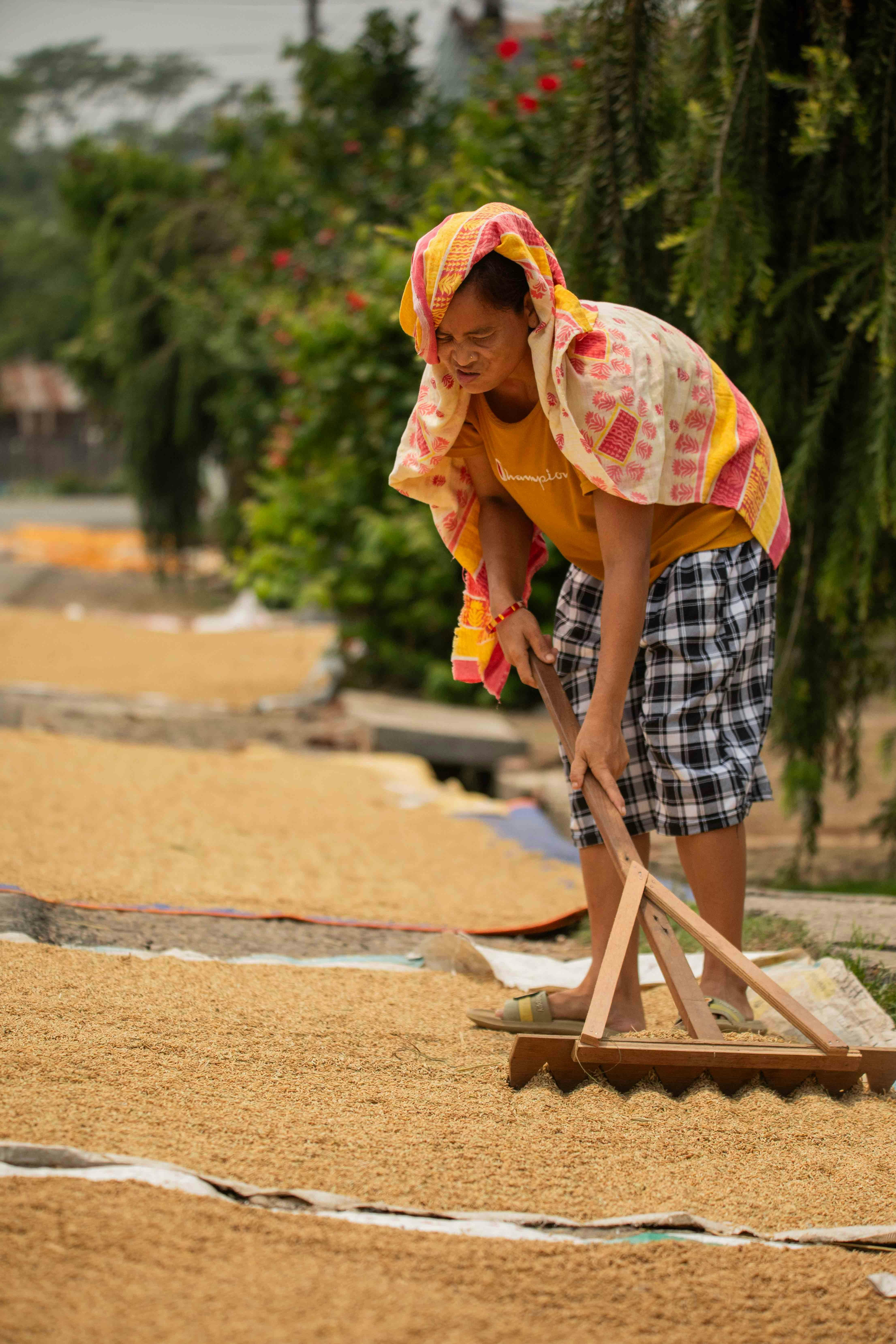
Exploring the heart of Paddy Processing Technology
The journey from paddy to polished rice is a marvel of technology and innovation. Within the high-tech walls of a modern processing plant, various methods converge to efficiently transform raw grains into consumer-ready food. Each step is meticulously controlled and monitored to ensure not just efficiency but quality. Key technologies employed in this space include:
- Pre-cleaning machines that remove debris and foreign materials.
- Huskers that efficiently separate the husk from the paddy.
- Whitener machines designed to mill and polish the rice grain to perfection.
- Grading systems that ensure uniformity in size and quality.
- Packaging lines that seal the final product while preserving freshness.
At the heart of the operation lies a seamless synergy between human expertise and automated systems. Operators wield analytical tools to monitor grain quality in real time and make adjustments to parameters ensuring optimal processing conditions. The use of advanced data analytics allows for predictive maintenance on critical machinery, enhancing uptime and performance. here’s a rapid look at the typical processing stages and their respective outcomes:
| Processing Stage | Description | Outcome |
|---|---|---|
| Pre-cleaning | Removal of impurities. | Clean paddy ready for husking. |
| Husking | Separation of husk from grain. | Brown rice product. |
| Milling | Polishing and whitening. | White rice ready for consumption. |
| grading | Sorting based on size and quality. | Uniform product packaging. |

Enhancing Efficiency Through Innovative Milling Techniques
In the quest to maximize output while minimizing waste, modern paddy processing plants have adopted innovative milling techniques that revolutionize conventional practices. These advancements frequently enough employ a blend of advanced technology and precision engineering, enabling millers to achieve optimal grain quality consistently. By leveraging machinery equipped with automated controls, facilities can finely tune milling parameters such as temperature, moisture content, and grind size, ensuring every grain is processed to perfection.This not only enhances the quality of the rice but also significantly reduces the likelihood of breakage and contamination during processing.
Furthermore,implementing lean processing methodologies helps streamline operations,driving efficiency by eliminating unneeded steps. Techniques like batch milling allow for better management of production flows, ensuring that resources are utilized effectively. Some of the key practices embraced by these plants include:
- Continuous flow systems – minimizing downtime between processing stages.
- Integrated monitoring systems – providing real-time data for decision-making.
- Environmentally-friendly processes – using energy-efficient machinery to reduce carbon footprint.
| Technique | Benefits |
|---|---|
| Automated Milling | Consistent quality, reduced labor costs |
| Moisture Control | Minimized spoilage, improved shelf life |
| Sorting Technology | Higher purity, fewer impurities |
sustainability practices in Grain Processing Operations
Grain processing operations are increasingly embracing innovative sustainability practices that reflect a commitment to environmental stewardship. By integrating green technologies,these facilities aim to reduce waste,conserve resources,and enhance overall efficiency. Key initiatives include:
- Water Conservation: Utilizing advanced filtration systems to recycle water used in processing,reducing overall water consumption.
- Energy Efficiency: Retrofitting machinery with energy-efficient motors and implementing renewable energy sources, such as solar panels.
- Waste Management: Transforming by-products like husks and bran into biomass fuels or animal feed, minimizing landfill contributions.
Moreover, the adoption of sustainable agricultural practices in grain sourcing reinforces the entire supply chain’s eco-friendliness. Partnering with local farms that prioritize organic and regenerative methods ensures that the grains processed have a lower carbon footprint. This holistic approach not only enhances the quality of the final product but also fosters stronger community ties. to illustrate the impact of these practices,the following table summarizes the environmental benefits observed in a typical paddy processing plant:
| Practice | Benefit | Impact on Operations |
|---|---|---|
| Water Recycling | Reduced water usage | Cost savings and less environmental impact |
| Solar Energy | Lower energy costs | Increased operational resilience |
| Biomass Utilization | Waste reduction | Enhanced sustainability profile |
Maximizing Product Quality and Market Value in Rice processing
Effective rice processing begins with a strong focus on quality control from the initial stages of paddy handling to the final product packaging. Implementing advanced technologies such as optical sorting and metal detection systems can significantly enhance product purity. Regular training for workers not only improves operational efficiency but also ensures adherence to best practices in hygiene and safety. To further elevate rice quality,processors can embrace environmentally friendly practices,which not only preserve the quality of the grains but also resonate with modern consumers who prefer sustainably sourced products.
Moreover, understanding market trends and consumer preferences is crucial for maximizing value. Analyzing data on consumer demands and regional preferences allows rice processors to tailor their offerings, perhaps resulting in premium pricing. Investing in packaging innovations, such as vacuum-sealed or eco-friendly options, not only protects the integrity of the rice during transit but also appeals to environmentally conscious customers. By creating a feedback loop with retailers and consumers, businesses can continuously refine their processes to maintain competitive advantage:
| Strategies | Benefits |
|---|---|
| Advanced Sorting Technology | Increased purity and quality |
| Training Programs | Enhanced operational efficiency |
| Consumer Data Analysis | Tailored product offerings |
| Eco-Friendly Packaging | Attracts environmentally conscious customers |
The Conclusion
As the sun sets over the sprawling fields of golden grain, it becomes evident that the journey from paddy to the plate is one that is as intricate as it is essential. Within the walls of a paddy processing plant, the delicate balance of technology and tradition comes alive, allowing us to unlock the hidden potential of grain that is frequently enough taken for granted.
The processes that transform raw paddy into the staple food enjoyed by millions around the world serve as a testament to human ingenuity and perseverance. From the rhythmic hum of machinery to the meticulous attention of skilled workers, every element plays a crucial role in ensuring that the highest quality rice reaches our tables.
As we reflect on the intricate networks that connect farmers, processors, and consumers, we gain a deeper gratitude for the stories harvested alongside the grain itself. The pursuit of efficiency and sustainability in paddy processing not only nourishes our bodies but also supports the livelihoods of countless individuals along the supply chain.In embracing the complexities of this vital industry, we celebrate not just the grains themselves, but the rich cultural tapestry woven around them. As we continue to explore and innovate, we must remain committed to unlocking the full potential of grain, ensuring that future generations savor the fruits of our labor. The journey of paddy processing is far from over; it is indeed, indeed, just beginning.



