
Behind the Grain: The Art and Science of Cereal Milling
In a world where the morning ritual of pouring cereal into a bowl often goes unnoticed, the journey from grain to breakfast involves a delicate balance of art and science. Cereal milling—the process that transforms raw grains into the fine flours and textures we rely on—is a meticulous craft, steeped in tradition yet fueled by innovation. Each kernel tells a story, etched in the ancient practices of our ancestors, yet shaped by modern precision and technology. as we peel back the layers of this complex process, we uncover the intricate machinery, the skilled hands, and the dedicated minds that work tirelessly to bring nourishment to our tables.Join us on this exploration of the cereal milling industry, where we will delve into its rich history, examine the cutting-edge techniques that redefine production, and appreciate the artistry that makes every spoonful not just a meal, but a connection to our agricultural heritage.

The Journey from Field to Mill: Understanding the Grain Selection Process
The journey of grain from the field to the mill is a meticulous process that demands both artistry and precision. Each grain is a unique creation, influenced by factors such as soil quality, climate conditions, and harvesting techniques. Farmers work tirelessly to cultivate varieties suited for specific uses, from delicate pastries to robust breads. the selection isn’t merely accidental; it involves a keen understanding of the characteristics that define each grain, leading to an impressive range of options, including soft white, hard red, and durum wheat. With careful selection, the foundation is laid for what will eventually become a myriad of baked goods and cereals.
Once harvested, the grains are prepped for milling through a series of inspections and tests that ensure quality and consistency. This includes evaluating attributes such as moisture content, protein level, and hardness. The wheat is then grouped according to these criteria, allowing millers to create blends that maximize flavor and performance. Here’s a table showcasing the key factors evaluated during the grain selection process:
| Factor | Description |
|---|---|
| Moisture Content | Optimal moisture levels ensure the best milling performance and shelf life. |
| Protein Level | Determines the strength and elasticity of the flour, crucial for baking |
| Hardness | Affects how well grains can be milled and their final texture. |
| Grain Variety | Specific strains suited for various end products, each with unique qualities. |

Mastering the Milling Techniques: Balancing Tradition and Innovation
The world of cereal milling is a fascinating interplay between age-old techniques and modern innovations. mastery in this field requires an understanding of both the customary methods that have shaped the industry and the innovative technologies that are reshaping its future. Traditional milling, as an example, often relies on stone grind methods, wich preserve the grain’s flavors and nutritional value, while modern approaches utilize advanced machinery designed for efficiency and precision. The blending of these techniques can yield a product that not only honors the past but also meets the contemporary demands of consumers.
As the industry evolves, professionals are embracing sustainability and quality through innovative practices such as:
- Smart Milling technologies: Utilizing AI and IoT for real-time monitoring.
- Integrated Supply Chains: Ensuring traceability from farm to table.
- Choice grains: Exploring diverse cereal bases for unique products.
moreover, collaborative efforts between artisans and technologists foster creativity, leading to exciting new forms of flour that cater to health-conscious consumers while maintaining the beloved characteristics of traditional products. this synergy not only champions sustainability but also prioritizes quality, paving the way for a future where every grain tells a story of craftsmanship and innovation.

Quality Beyond the Grain: The nutritional Science of flour Production
The journey of flour production is a remarkable blend of art and science, where each step plays a crucial role in determining the nutritional profile of the final product.From the selection of the grain to the milling techniques employed, every aspect influences not only the texture and flavor but also the health benefits. Whole grains, as an example, retain the bran and germ, ensuring a rich supply of vitamins and minerals, while refined flours lose many of these vital nutrients during processing. The milling process, whether through traditional stone grinding or modern roller mills, also significantly affects the nutrient retention, impacting the protein content and fiber availability in the flour.
Understanding the nutritional science behind flour allows consumers to make informed choices.Nutritional components can be easily categorized, shedding light on the health benefits associated with various flour types. For example, whole wheat flour is praised for its rich fiber content, while almond flour brings a unique protein profile. Below is a comparative table that highlights the typical nutrient content found in different types of flour:
| Flour Type | Calories (per 100g) | Protein (g) | Fiber (g) |
|---|---|---|---|
| Whole Wheat | 340 | 13.2 | 12.2 |
| Almond | 576 | 21.2 | 10.4 |
| All-Purpose | 364 | 10.3 | 2.7 |
| Oat | 389 | 16.9 | 8.0 |
Incorporating diverse flours into our diets can lead not only to enhanced flavors and textures in recipes,but also promote better health outcomes. Understanding the science behind milling empowers bakers and chefs alike to choose the right flour that aligns with nutritional goals while contributing to a balanced diet. Ultimately, the nutritional integrity of flour empowers consumers to explore culinary creativity without compromising on health.
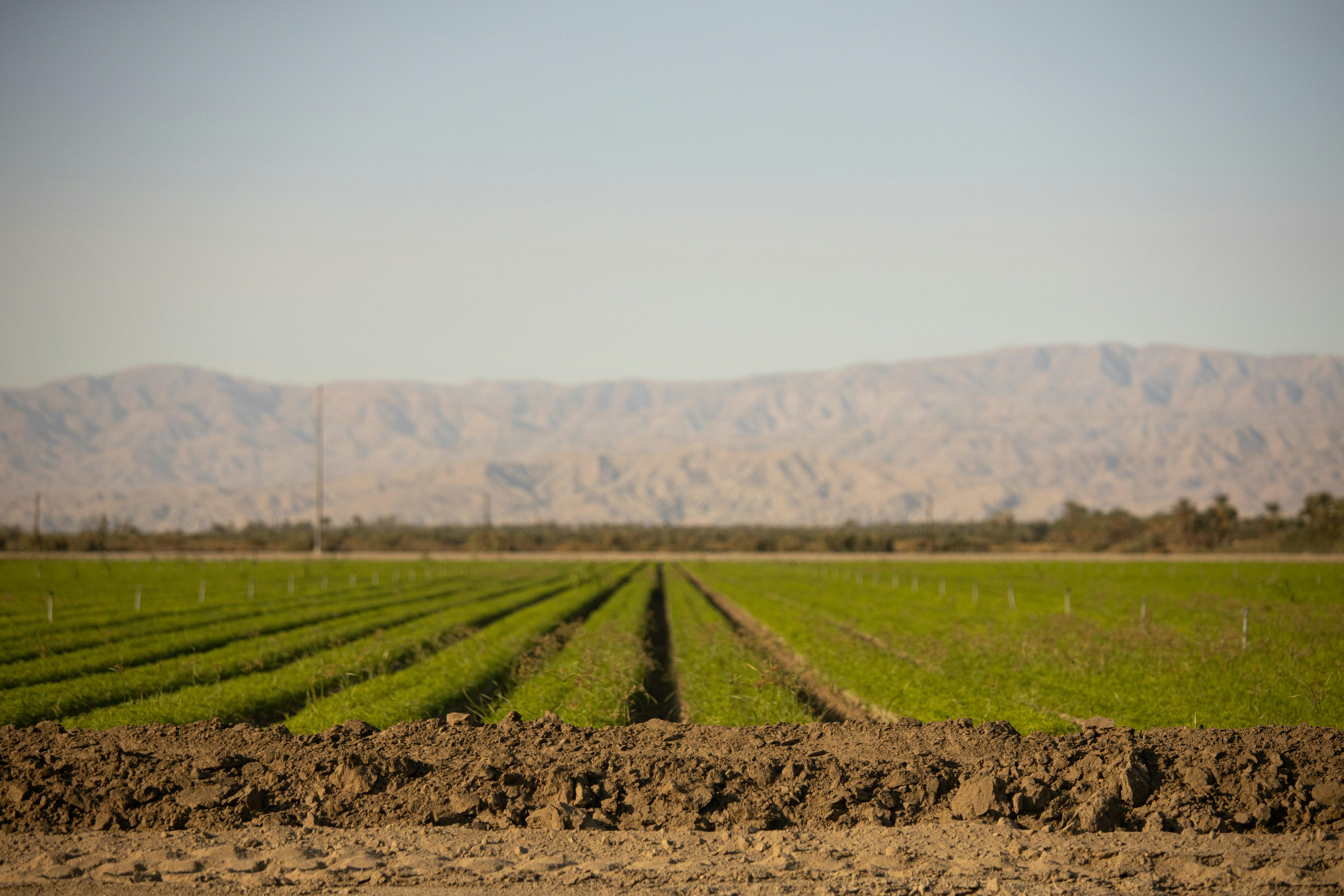
Sustainable Practices in Milling: Strategies for a Greener Future
The milling industry is undergoing a transformative shift towards sustainable practices, implementing strategies that not only minimize waste but also enhance resource efficiency. By adopting innovative technologies, mills can optimize their energy consumption, reducing their carbon footprint significantly. Key initiatives include:
- Utilizing renewable energy sources: Many mills are harnessing solar and wind energy, which helps to lower reliance on fossil fuels.
- Implementing energy-efficient machinery: Upgrading to state-of-the-art milling equipment allows for lower energy consumption and higher output quality.
- Water conservation methods: Techniques such as closed-loop water systems recycle water used in milling processes, substantially decreasing water waste.
Moreover, the integration of sustainable practices extends into sourcing and supply chain management. Collaborations with local farmers not only promote community resilience but also decrease transportation emissions. Mills can also adopt closed-loop systems where by-products are repurposed into animal feed or bioenergy, thereby enhancing the circular economy.The following table outlines some of the benefits of these sustainable practices:
| Sustainable Practice | Benefits |
|---|---|
| Renewable Energy | Reduces carbon footprint and lowers energy costs |
| Energy-efficient Machinery | Improves product quality and boosts overall productivity |
| Local Sourcing | Enhances community ties and reduces transportation emissions |
Wrapping Up
As we draw the curtain on our exploration of cereal milling—where art meets science—we are reminded that this ancient practice is far more than just a means of production. ItS a delicate dance of tradition and innovation, reflecting the ingenuity of millers who transform raw grains into the flour that fuels our daily lives. Each grain tells a story, one that is woven into the very fabric of our culture, cuisine, and community.From the painstaking selection of grains to the precise machinery that grinds them, the journey of cereal milling encompasses a rich tapestry of methods and techniques honed over centuries.It invites us to appreciate not only the end product that graces our tables but also the meticulous process that makes it possible.
As we savor our next slice of bread or bowl of cereal, let us take a moment to acknowledge the dedicated craftsmanship behind every grain. In a world that often rushes past, may we find delight in the simple pleasures of food—crafted with care, steeped in history, and imbued with the art and science that goes into every grain milling endeavor. here’s to the unsung heroes of milling, whose passion and precision continue to inspire and nourish us, one granule at a time.



