
Unlocking Potential: A Comprehensive Guide to a 2-Ton Rice Mill Project
In the heart of agricultural innovation lies an opportunity to transform not just grains, but entire communities. The rice mill, frequently enough seen as a mere processing facility, holds the key to unlocking economic potential and ensuring food security in regions where rice is a staple. As we delve into the intricacies of establishing a 2-ton rice mill project, we embark on a journey through the world of milling technology, market dynamics, and sustainable practices. This guide aims to illuminate the path for aspiring entrepreneurs and established farmers alike, offering insights that span planning, investment, and operational efficiency.Join us as we explore the multifaceted dimensions of rice milling, revealing how this project can serve as a catalyst for growth, opportunity, and the realization of dreams. Whether you are fueled by the vision of improving local livelihoods or simply intrigued by the mechanics of rice production, this comprehensive guide will equip you with the knowledge needed to navigate the complexities of launching a prosperous rice mill operation.
Understanding the Basics of Rice milling Technology
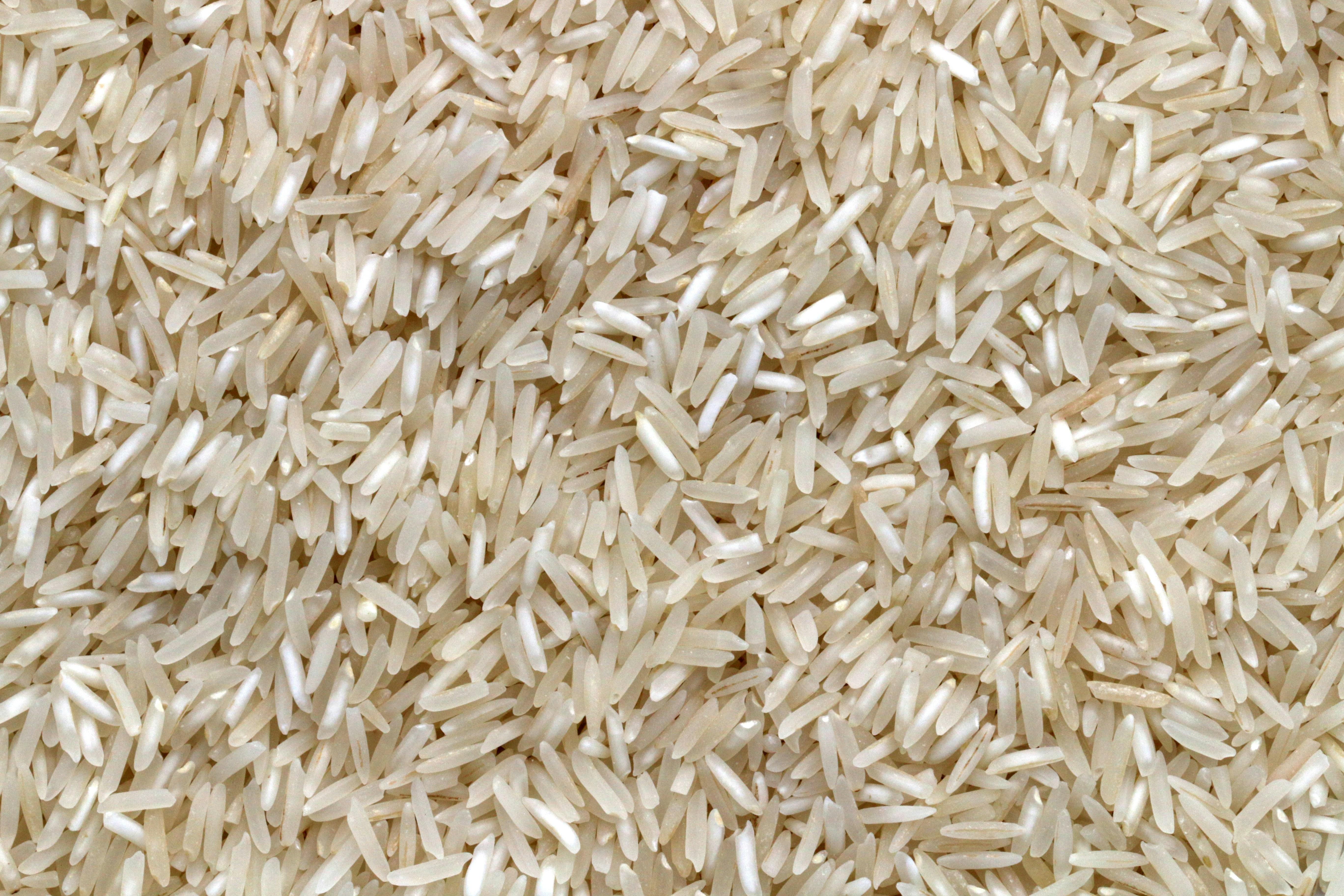
Rice milling technology involves a series of processes designed to transform raw paddy into polished white rice ready for consumption. At its core, the process comprises various stages that require precise machinery and techniques to ensure quality and efficiency. Key aspects include cleaning,where impurities are removed; hulling,which separates the rice grain from the husk; milling,where the brown rice is polished; and grading,which classifies the rice based on size and quality. Understanding these stages is essential not only for operational efficiency but also for achieving optimal end-product quality.
Successful rice milling is profoundly influenced by the choice of equipment. Selecting the right machinery facilitates smoother operations and minimizes losses during processing.Modern rice mills often feature multifunctional systems that integrate several processes into one compact setup, promoting efficiency and reducing labor costs. Some notable components include huskers,whitener machines,and polishers.Additionally, efficient waste management systems play a critical role, as thay help utilize by-products like husk and bran for other ventures, optimizing the overall production cycle. Below is a simple table showcasing typical equipment used in rice milling:
| Equipment | Function |
|---|---|
| Husker | Removes the outer husk of paddy grains. |
| Whitener | Polishes rice to remove bran layers. |
| Grader | Sorts rice based on size and quality. |
| Separator | Removes broken and damaged grains. |

Essential Equipment and Machinery for Your Rice Mill Project
Embarking on a rice mill project requires a precise selection of equipment and machinery to ensure efficiency and optimal output. First on the list is the rice milling machine, the heart of the operation, which performs the process of separating the rice grains from their husks. This machine should possess features like adjustable settings for different rice varieties and energy efficiency to minimize operational costs. Alongside this,a grain dryer is essential for maintaining quality by reducing moisture content,preventing spoilage during storage. Other vital components include pre-cleaners that remove impurities and sifters that categorize rice by size, enhancing the overall quality before it reaches the market.
Additionally,investing in a color sorter can substantially improve the product quality by eliminating discolored or damaged grains,ensuring a premium offering. it’s crucial to have packing machines that are efficient and user-friendly, facilitating the swift packaging of your finished product, ready for distribution. complementing these machines, a reliable source of power supply is necessary, such as a generator or connection to the electrical grid, to keep operations smooth.Lastly, don’t overlook the importance of maintenance tools and spare parts, which are vital for minimizing downtime and keeping your mill running at peak performance.
Strategic Planning for Optimal Site Selection and Layout
Selecting the right location for a rice mill is crucial to maximizing operational efficiency and meeting market demands. Key factors must be assessed to ensure that the site optimally supports production processes. Considerations should include proximity to raw materials,availability of labor skilled in rice milling,and access to necessary infrastructure such as roads and utilities. Additional elements that influence site selection include environmental regulations and the potential for future expansion, allowing your project to adapt to growth without meaningful relocation costs.
Once the site has been chosen, an effective layout is essential to streamline operations. A well-planned layout promotes the efficient movement of materials and minimizes energy waste. Factors to incorporate into the layout design include:
- Workflow Efficiency: Arrange workstations to facilitate the smooth progression of rice through the milling process.
- Storage Solutions: Designate areas for both raw and finished product storage, ensuring easy access while maximizing space.
- Safety Measures: Implement safety zones and emergency protocols in the design to protect workers and equipment.
Utilizing a table can definitely help visualize different site options and their benefits:
| Site Option | Pros | Cons |
|---|---|---|
| Urban Location | Access to labor and markets | Higher operational costs |
| Rural Location | Lower land costs and proximity to farms | Limited infrastructure |
| Industrial Park | Established utilities and transport links | Competition and higher land prices |
Navigating Financial Aspects and Funding Opportunities for Your Venture
Starting a 2-ton rice mill project requires a keen understanding of financial management and the available funding opportunities to kickstart your venture. Establishing a well-structured budget is essential, encompassing the costs of machinery, installation, raw materials, and labor. Key financial aspects to consider include:
- Initial Capital Investment: Assess the total investment needed to launch the mill and cover startup expenses.
- Operating Costs: Regular expenses such as electricity, maintenance, and workforce wages must be calculated for sustainability.
- Revenue Projections: estimate your potential earnings based on production capacity,market demand,and pricing strategies.
Exploring funding options can significantly ease the financial burden. Multiple avenues are available for aspiring mill owners, including:
- Bank Loans: Traditional loans can offer substantial funding, but prepare to present a solid business plan.
- Grants and Subsidies: Research government programs that support agricultural initiatives, which may provide non-repayable funds.
- Investor Contributions: Finding partners willing to invest can not only provide capital but also expertise in the field.
| Funding Source | Pros | Cons |
|---|---|---|
| Bank loans | Large sums available, structured repayment plan | Debt obligation, interest charges |
| Grants | Non-repayable, often accessible | Highly competitive, strict eligibility criteria |
| Investors | Access to capital and mentorship | Shared profits, potential loss of control |
To Conclude
embarking on a 2-ton rice mill project is not just about investing in machinery or infrastructure; it’s about unlocking a world of possibilities in the agribusiness landscape. As we’ve explored throughout this guide, the journey requires a careful balancing act of planning, resource management, and community engagement. The insights shared here equip aspiring mill owners with the knowledge needed to navigate challenges and sieze opportunities that lie ahead.
Whether you are a seasoned entrepreneur or a newcomer to the field, this venture can transform not only your business but also the livelihoods of those in your community. By prioritizing sustainability, efficiency, and quality, your rice mill can become a cornerstone of local agriculture, fostering economic growth and food security.
As you take the first steps toward your rice mill project, remember that every grain of rice tells a story of hard work and potential. With dedication and the right guidance, your project can join that narrative, contributing to a brighter future for farmers and consumers alike. Here’s to turning potential into reality, one grain at a time.



