
Unlocking Quality: The Ultimate Guide to the Best Rice Mills
In the vast landscape of global agricultural production, rice stands as a staple that nourishes billions. But behind the humble grain lies a complex industry where quality meets craftsmanship, particularly in the realm of rice milling. For consumers and producers alike,understanding the nuances of rice milling can unlock a treasure trove of flavor,nutrition,and sustainability. This article ventures into the heart of the rice milling world, exploring the best mills that transform raw paddy into the fragrant, fluffy rice that graces our tables.Join us as we delve into the art and science of rice milling, examining the technology, processes, and innovations that define the best in the business. Whether you’re a culinary enthusiast, a health-conscious shopper, or someone seeking to enhance their sourcing practices, this guide will equip you with the insights needed to make informed choices in your quest for quality rice.
Understanding Rice Milling Processes for Superior Quality
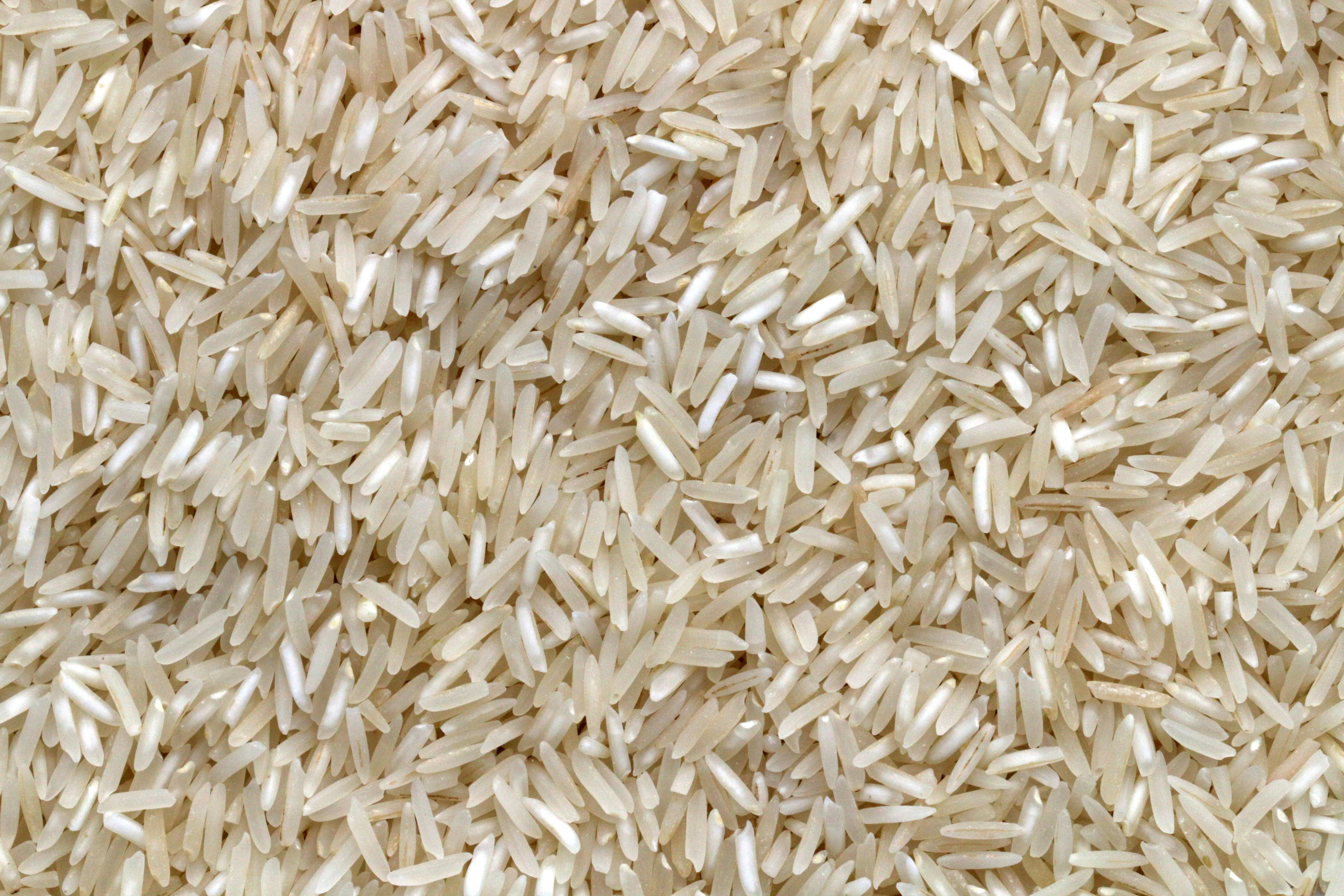
Rice milling is a pivotal process that transforms paddy into the appetizing staple we enjoy on our plates.It’s not merely about grinding rice; it involves a series of meticulously designed stages aimed at enhancing both nutrition and aesthetics. Thes stages can be broadly categorized into cleaning, hulling, milling, and polishing. Each step has a distinct role in ensuring the final product meets high-quality standards. When it comes to cleaning, modern mills utilize sophisticated machinery to remove impurities such as stones, dust, and residues that could affect the rice’s quality.The hulling phase then separates the inedible husk from the edible grain, while milling refines the rice to the preferred grain size. polishing adds that appealing sheen to the rice, making it more attractive to consumers.
Understanding the intricacies of these processes is essential for choosing the right rice mill and ensuring superior quality. Here are some factors that considerably influence rice milling outcomes:
- Equipment Quality: Advanced machinery leads to better milling efficiency and reduced breakage.
- Process Variability: Various milling techniques (wet, dry, or parboiled) can change flavor and texture.
- Operator Skill: Well-trained personnel can optimize machine settings to enhance output quality.
- Surroundings Control: maintaining optimal humidity and temperature during the milling process helps preserve grain integrity.
By paying attention to these factors, rice producers can dramatically improve product quality and consumer satisfaction. The following table illustrates the impact of various milling processes on rice characteristics:
| Process | Effect on Rice | Quality Outcome |
|---|---|---|
| Hulling | Removes husk without damaging grains | Higher whole grain yield |
| Milling | Removes bran and germ layer | Smoother texture, longer shelf life |
| Polishing | Adds glaze for appealing appearance | improved visual appeal and marketability |

Features to Look for in Top-Performing Rice Mills
When evaluating rice mills that stand out in performance and quality, several key features should be prioritized. Efficiency is paramount; top-performing rice mills utilize advanced technology to ensure maximum yield while minimizing waste. Look for mills that offer automated processes for cleaning,milling,and packaging. This not only enhances productivity but also guarantees consistent quality across batches. Consider mills that harness energy-efficient machinery, reducing both operational costs and environmental impact. Additionally, an integrated quality control system is essential for maintaining high standards from paddy sourcing to final product delivery.
Another crucial aspect to explore is the versatility of the rice mill. A mill that can handle various rice types and grades, whether it be brown, white, or even specialty varieties, can cater to diverse market demands. Moreover, the presence of user-kind interfaces can simplify operation and allow for seamless adjustments during production runs.Lastly, it’s beneficial to choose mills that provide extensive after-sales service and support, as this can significantly impact long-term operational efficiency.a combination of technology, versatility, and reliable support forms the backbone of an effective rice milling operation.
Exploring the Impact of Technology on Rice Quality
The interplay between technology and rice quality is a fascinating subject that has seen significant advancements in recent years. Modern rice mills utilize state-of-the-art machinery and processing techniques, which directly influence the quality of the final product. Improved milling processes, such as sophisticated husking, whitening, and polishing technologies, ensure that rice retains essential nutrients while achieving a desirable appearance. Additionally, innovations like digital moisture analyzers help mill operators maintain optimal drying conditions, preventing spoilage and enhancing shelf life.
Moreover, technology plays a crucial role in the quality control and testing of rice. Millers now employ automated sorting systems that utilize advanced sensors to identify and eliminate impurities or damaged grains. This not only ensures a higher grade of rice but also enhances consumer confidence. Moreover, the submission of data analytics allows mills to track production metrics in real-time, offering insights into quality improvements and operational efficiency. As a result, the integration of technology into rice production is paving the way for higher standards and better quality assurance in the industry.
Recommendations for Selecting the Right Rice Mill for Your Needs
When choosing a rice mill,it’s essential to consider various factors that will ensure the machine aligns with your specific needs and processing goals. Assess the capacity of the mill and determine how much rice you require to process in a given timeframe. A small-scale operation might benefit from a compact, low-capacity mill, while larger businesses may need heavy-duty, high-capacity models. Additionally, evaluate the milling technology; whether you prefer customary methods or modern machinery can influence not only the quality of the rice produced but also operational efficiency.
Furthermore, it’s advisable to consider the manufacturer’s reputation and the availability of after-sales service. A reliable manufacturer often stands behind their product with warranties and customer support, which can be invaluable in the long run. Don’t forget to check for energy efficiency as this can significantly affect operational costs over time. Review the following aspects when making your decision:
- Capacity: Match it to your production needs.
- Technology: Decide between traditional vs. modern milling.
- Reputation: Look for customer reviews and feedback.
- Energy Efficiency: Consider potential cost savings.
- Maintenance: Assess ease of maintenance and service availability.
In terms of features, various rice mills may offer different advantages. to help clarify your options, here’s a simple comparison table of some popular types of rice mills:
| Type of Rice Mill | Pros | Cons |
|---|---|---|
| Modern Roller Mill | High efficiency, lower broken rice percentage | Higher initial investment cost |
| Traditional Stone Mill | Inexpensive, natural milling process | Lower throughput, higher breaking of grains |
| Combined Rice Mill | Multiple functions (hulling & milling) | Complex operation, more maintenance required |
Selecting the right rice mill requires careful consideration of these various factors. By weighing the pros and cons,you’re more likely to find a machine that meets your production requirements and ultimately unlocks the quality of your rice.
Final Thoughts
As we conclude our journey through the intricate world of rice mills, it becomes clear that the quest for quality begins long before grains reach our tables. The right rice mill is not just a machine; it embodies a commitment to excellence, sustainability, and the rich heritage of rice production. By understanding the multifaceted criteria that define the best mills—be it technology, efficiency, or ethical practices—we empower ourselves as consumers to make informed choices that elevate our culinary experiences.
unlocking quality is a collective endeavor, weaving together tradition and innovation, local practices and global standards. As you embark on your own path to selecting the ideal rice mill, remember that each choice reflects not just a preference for taste and texture, but also a connection to the land, the farmers, and the intricate processes that bring this staple food to life.
Thank you for joining us on this exploration. May your meals be enriched with the quality that truly matters. Happy cooking!



