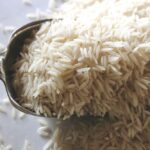
In the vast landscape of global agriculture,few staples hold as prominent a place as rice. Revered for its versatility and nutritional value, this humble grain serves as a foundational element in countless cuisines around the world. But beyond the kitchen,there exists a complex web of processes and players ensuring that each grain makes its way from field to fork. central to this intricate supply chain are rice mills—facilities where harvested rice undergoes transformation,refinement,and readiness for consumption.
In “Discovering the Top Rice Mills: A Extensive Guide,” we embark on an exploration of the unsung heroes behind this essential food source. from the bustling operations in asia to state-of-the-art facilities in the Americas, we will uncover the diverse methods, innovative technologies, and lasting practices defining the rice milling industry. Join us as we delve into the intricacies of rice milling, highlighting the top players in the field and offering insights that bridge the gap between farmer and consumer. Whether you are a culinary enthusiast, a sustainability advocate, or simply curious about where your food comes from, this guide promises to inform and inspire.
Understanding Rice Milling Processes and Their Impact on Quality
When it comes to transforming raw paddy into the staple grain we all know and love, the milling process plays a pivotal role. At the core of this transformation is a series of operations that aim to remove the hulls and bran layers while retaining as much of the kernel as possible. Key steps in the milling process include:
- Pre-cleaning: Removing impurities such as stones and dirt.
- Hulling: Separating the rice grains from their outer husk.
- Whitening: Polishing the grains to achieve a luminous, white appearance.
- Grading: Sorting the rice by size and quality for market readiness.
It is indeed crucial to note that the parameters set during each stage fundamentally influence the quality of the finished product. Factors like moisture content, machine speed, and temperature can determine whether the rice retains its nutrients or develops cracks and breakage. As an example, higher temperatures during milling can lead to nutrient loss, while softer milling methods can reduce breakage rates. below is a brief comparison of various milling methods and their effects on quality:
| Milling Method | Nutritive Value Retention | Breakage Rate |
|---|---|---|
| Conventional Stone Milling | High | Low |
| Modern White Milling | Moderate | Moderate |
| Parboiling | Very High | Very Low |
Ultimately, understanding these milling processes allows producers and consumers alike to appreciate the nuances that come with various types of rice. With each milling method tailored to different objectives, knowing the impact of these processes helps in selecting rice that meets both culinary and health needs.
Key Features to Look for in Top-Quality Rice Mills
When selecting a top-quality rice mill, several essential features should be closely examined to ensure optimal performance and durability. First and foremost, look for mills with advanced milling technology that promotes efficiency and minimizes waste. Features such as automated systems, which can considerably enhance production speed and consistency, are invaluable. Additionally, the presence of flexible milling options allows for various rice types and textures, catering to diverse consumer preferences. A strong emphasis on energy efficiency is crucial, as modern mills need to balance productivity with sustainability.
Another critical aspect to consider is ease of maintenance. Reliable rice mills frequently enough come equipped with user-kind interfaces that simplify operation and troubleshooting. Furthermore, mills that offer high-quality materials and construction standards ensure longevity, even under rigorous use. A robust customer support system is also a hallmark of reputable rice mill manufacturers, providing assistance and spare parts when needed. It can be helpful to review comparative customer ratings and specifications in a table format, as this allows for easy selection:
| Feature | importance |
|---|---|
| Advanced Technology | Enhances efficiency and reduces waste |
| Energy Efficiency | Balances productivity with sustainability |
| Maintenance ease | Simplifies operation and durability |
| Customer Support | Ensures assistance and parts availability |
Exploring Regional Variations: The Best Rice Mills Across Different cultures
When it comes to rice milling, each culture has its own unique practices, often influenced by local traditions and agricultural methods. Exploring these regional variations reveals an abundance of techniques that are vital not just for the processing of rice, but also for preserving cultural heritage. In places like India, traditional rice mills still thrive, utilizing age-old stone grinding methods that impart a distinct flavor to the rice. Meanwhile,in Japan,high-tech mills blend cutting-edge technology with centuries-old practices,refining rice with precision to create the ideal texture for sushi. The artistry of rice milling extends beyond the machinery—it involves the community and their relationship with the land.
Across continents,the richness of local ingredients contributes to diverse milling practices. Notable rice mills that exemplify these cultural variations include:
- Chakra mill in India – Renowned for its organic rice processing.
- Yamada Rice Mill in Japan – Combines technology with tradition for sushi-grade rice.
- PARBOILED in Nigeria – Specializes in parboiled rice to enhance nutritional value.
The global rice milling landscape varies widely from rustic family-owned operations to modern industrial facilities. In Thailand, mills frequently enough incorporate local jasmine rice varieties renowned for their fragrance and quality.Critical to this process is the use of structures that naturally ventilate and maintain optimal humidity levels during storage, showcasing an ecological awareness that is becoming increasingly important worldwide. Below is a comparison table highlighting such differences in rice milling across various countries:
| Country | Type of Rice | Milling Technique | Unique Feature |
|---|---|---|---|
| India | Basmati | Stone Grinding | Distinct Aroma |
| Japan | Japonica | High-Tech Precision | Perfect sushi Texture |
| Nigeria | Oryza sativa | Parboiling | Enhanced Nutrients |
| Thailand | Jasmine | Air Drying | Fragrant Quality |
A Guide to Sustainable rice Milling Practices and Innovations
As the demand for sustainable agriculture grows, rice milling practices are evolving to meet environmental guidelines while enhancing productivity.one of the key innovations in this sector is the implementation of energy-efficient milling techniques. These methods reduce the carbon footprint of rice production significantly. By utilizing advanced machinery, such as high-efficiency huskers and polishers, mills can operate with less energy consumption while maintaining the quality of the rice. Additionally, integrating waste management systems allows mills to recycle by-products, such as husk and bran, which can be repurposed into animal feed or biofuel.
Another revolutionary aspect of sustainable rice milling is the adoption of water conservation measures. Traditional milling often requires substantial water use, leading to wastage and pollution. Innovative practices such as closed-loop water systems are now in place, allowing water to be reused and filtered effectively. Other practices include rainwater harvesting and water-efficient processing that minimize waste. To further enhance sustainability, many rice mills are investing in renewable energy sources like solar panels and biomass for their energy needs. The following table illustrates some recent advancements and their benefits:
| Innovation | Benefit |
|---|---|
| Energy-efficient huskers | Reduces energy consumption |
| Waste management systems | Promotes recycling of by-products |
| Closed-loop water systems | Conserves water and minimizes waste |
| Renewable energy sources | Reduces reliance on fossil fuels |
Concluding Remarks
As we conclude our exploration of the top rice mills, we’ve unearthed not just the notable technology and meticulous processes that define this industry, but also the passion and heritage that accompany each grain of rice. From age-old traditions to modern innovations, these mills embody the essence of agriculture, supporting economies, and feeding billions. Whether you are a curious consumer, a culinary enthusiast, or a stakeholder in the agricultural sector, understanding the dynamics of rice milling can enrich your thankfulness for this staple. We invite you to continue your journey by exploring local mills, experimenting with different rice varieties, and advocating for sustainability in this vital industry. The world of rice is vast, and with every bowl, there’s a story waiting to be discovered. Happy exploring!