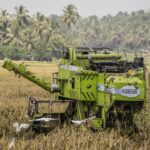
Turning Grains to Gold: The 2 Ton Rice Mill Project Unveiled
In a world where innovation often meets tradition, the agricultural landscape stands at a pivotal crossroads, ripe for transformation. Enter the 2 Ton Rice Mill Project—a groundbreaking initiative that aims to elevate rice milling from a humble necessity to a thriving enterprise. At the heart of this project lies a vision to harness the age-old grains that nourish millions, turning them into invaluable resources for communities and economies alike. This article explores the unveiling of the 2 ton Rice Mill Project, highlighting its potential to empower local farmers, optimize production efficiency, and ultimately convert grains into gold. Join us as we delve into the mechanics, aspirations, and implications of this transformative endeavor, where every kernel has the potential to unlock prosperity.
Transforming Agricultural Potential into Economic Prosperity
The potential of agriculture transcends beyond mere food production; it can be a catalyst for regional progress and economic growth.The unveiling of the 2 Ton Rice Mill Project holds the promise to harness local rice yields, transforming them into profitable enterprise opportunities for farmers and entrepreneurs alike. By focusing on improving processing capabilities and introducing innovative techniques, this initiative aims to enhance the quality and value of rice, thereby creating a sustainable income source for rural communities. The project stands as a beacon of modern agricultural practices, illustrating how technology can uplift local economies by converting raw agricultural products into valuable commodities.
At the heart of this transformation are several initiatives designed to empower local stakeholders. Key components of the project include:
- Training Programs: Equipping farmers with knowledge on best practices in rice cultivation and post-harvest processing.
- Access to Technology: Utilizing modern milling techniques to increase efficiency and reduce waste.
- Market Linkages: Establishing connections between farmers and markets to ensure fair pricing and increased sales opportunities.
To visualize the benefits, consider the impact of processing just a fraction of the available rice:
| Rice Processed (Tons) | Estimated Revenue ($) | Beneficiary Farmers |
|---|---|---|
| 1,000 | 300,000 | 100 |
| 2,000 | 600,000 | 200 |
| 5,000 | 1,500,000 | 500 |
This simple yet powerful model illustrates how a focused investment in processing infrastructure can lift entire communities from subsistence to thriving economic entities, demonstrating the tangible benefits of strategically leveraging agricultural potential for collective prosperity.
Innovative Technology Behind the Two Ton Rice Mill
The two-ton rice mill project showcases the pinnacle of engineering with an emphasis on efficiency and sustainability. Among its standout features is the advanced automated processing system, which minimizes labor while maximizing output. This system integrates various stages of milling, including cleaning, husking, and polishing, into a streamlined operation that can handle different types of rice with ease. The technology ensures a consistent grain quality and reduces the losses typically incurred in conventional milling processes. Additionally, the mill is designed with energy-efficient mechanisms that operate under low power consumption, making it an eco-friendlier choice for rice production.
This innovative mill is also equipped with smart monitoring capabilities, allowing operators to oversee production in real-time via a user-amiable interface. Important metrics such as moisture content, output rates, and machine performance can be accessed instantly, ensuring optimal operation and proactive maintenance. To further enhance productivity, the mill features a modular design which makes it easily scalable to adapt to various production needs. Below is a simplified comparison of traditional mills versus the two-ton rice mill:
| Feature | Traditional Mill | Two Ton Rice Mill |
|---|---|---|
| Labor Requirement | high | Low |
| Production Time | Longer | Faster |
| quality control | Manual | Automated |
| Energy Consumption | High | Low |
Sustainable Practices for Maximizing Output and Minimizing Waste
Embracing sustainable practices is central to the mission of the groundbreaking 2 Ton Rice Mill Project. by integrating innovative techniques and eco-friendly materials, the project not only maximizes output but also considerably reduces waste. Key strategies include:
- Utilization of Energy-Efficient machinery: Investing in modern equipment that consumes less power while maintaining high throughput.
- Water Recycling Systems: Implementing systems that capture and reuse water during processing to minimize consumption and runoff.
- Biodegradable Packaging: Transitioning to sustainable packaging solutions that decompose naturally and reduce landfill waste.
Moreover, the project’s commitment to enhancing community involvement plays an essential role in driving sustainability. Engaging local farmers not only boosts organic practices but also opens pathways for educational workshops on sustainable agriculture. As an example, collaborative initiatives might include:
| Initiative | Purpose | Expected Outcome |
|---|---|---|
| Crop Rotation Workshops | Educate farmers on reducing soil depletion | Healthier soil and increased yields |
| Composting Training | Encourage waste reduction and soil enhancement | Richer soil and fewer chemical fertilizers |
| Organic Pest Control | Minimize chemical usage in farming | Sustainably cultivated crops |
Through these interconnected practices, the project not only seeks to create gold-standard outcomes but also fosters a culture of sustainability that maximizes resources and ensures minimal ecological disruption.
Empowering Local Communities through Agricultural Investments
The launch of the 2 Ton Rice Mill Project marks a revolutionary step towards enhancing the agricultural landscape of our local communities. By investing in cutting-edge milling technology, we aim to not only improve rice quality but also increase production efficiency. Farmers can expect to benefit immensely as this initiative fosters opportunities for:
- Job creation: The establishment of the rice mill will generate employment opportunities, from operations to maintenance.
- Sustainable Practices: The project encourages eco-friendly farming methods, which can significantly reduce environmental impact.
- Access to Markets: With improved milling processes, farmers can produce higher quality rice, thus gaining better access to local and regional markets.
Moreover, this initiative will serve as a catalyst for community engagement and development. Local farmers will have access to training programs that focus on best practices in rice cultivation and post-harvest processing. This education empowers them with vital knowledge, ultimately boosting productivity and income. To quantify our impact, we can summarize our anticipated outcomes in the table below:
| outcome | Projected Impact |
|---|---|
| Increased Crop Yield | 30% higher yields within the first year |
| employment Opportunities | 50 new jobs created |
| Community Engagement | 20 training workshops annually |
Insights and Conclusions
As we conclude our exploration of the groundbreaking “Turning Grains to Gold: The 2 Ton Rice mill Project,” it’s clear that this initiative holds the promise of transforming agricultural practices and invigorating local economies. By harnessing innovative milling techniques and sustainable practices, this project not only aims to enhance rice production but also empower communities through increased efficiency and value creation. The journey of turning grains into gold is not merely about the millet itself; it’s about the dreams and ambitions that can sprout from the fertile earth.
As the mill gears begin to turn, we are reminded that every grain processed represents an opportunity — for farmers seeking better livelihoods, for communities striving for self-sufficiency, and for consumers demanding higher quality produce. The unveiling of this 2 Ton Rice Mill is just the beginning; it sets the stage for a new era where agrarian wisdom meets modern technology, resulting in a sustainable future for all.
We invite you to stay tuned as this project unfolds, continuing to witness the transformative power of innovation and collaboration in the world of agriculture. In the dance between tradition and advancement, we are left with an optimistic vision: that together, we can indeed turn grains into gold.