
In the world of food production, there is an age-old craft that is often overlooked but essential for transforming grains into the staple foods we enjoy every day. Grain grinding, the art of cereal milling, has been practiced for centuries, dating back to ancient civilizations. This intricate process involves the careful grinding of grains to create various flours that serve as the foundation for bread, pasta, and other baked goods. Join us as we delve into the fascinating world of grain grinding and explore the techniques and tools that have been used throughout history to master this essential culinary art.
The Science Behind Grain Grinding
When you think of grain grinding, you may picture a simple process of turning grains into flour. However, the science behind this ancient art of cereal milling is much more complex than meets the eye. Grain grinding involves a series of intricate steps and precise techniques that have been refined over centuries by millers around the world.
One key aspect of grain grinding is the use of different types of mills, each designed to achieve specific results. From stone mills to modern roller mills, each type of mill utilizes unique mechanisms to crush and grind grains into the desired consistency. Additionally, factors such as grain moisture content, milling speed, and particle size greatly impact the final quality of the flour produced. By understanding , millers are able to optimize these variables to produce high-quality flours that meet the needs of bakers, chefs, and consumers.

Exploring Different Types of Grain Mills
When it comes to grinding grains, the type of mill you use can make all the difference in the final product. There are a variety of grain mills available on the market, each designed to cater to different needs and preferences. From traditional hand-cranked mills to modern electric models, here are a few options to consider:
- Stone Burr Mills: These mills use two stone wheels to crush the grains. They are known for producing finely ground flour that retains the nutrients of the grain.
- Impact Mills: Impact mills use blades or hammers to crush the grains, resulting in a coarser grind. They are great for grinding larger quantities of grains quickly.
- Burr Mills: Burr mills consist of two abrasive surfaces that grind the grains. They offer more control over the texture of the final product, making them ideal for those who prefer a specific grind size.
Whether you prefer the hands-on approach of a traditional mill or the convenience of a modern electric model, there is a grain mill out there for you. Experimenting with different types of mills can help you discover the perfect tool for achieving the texture and flavor you desire in your homemade baked goods.
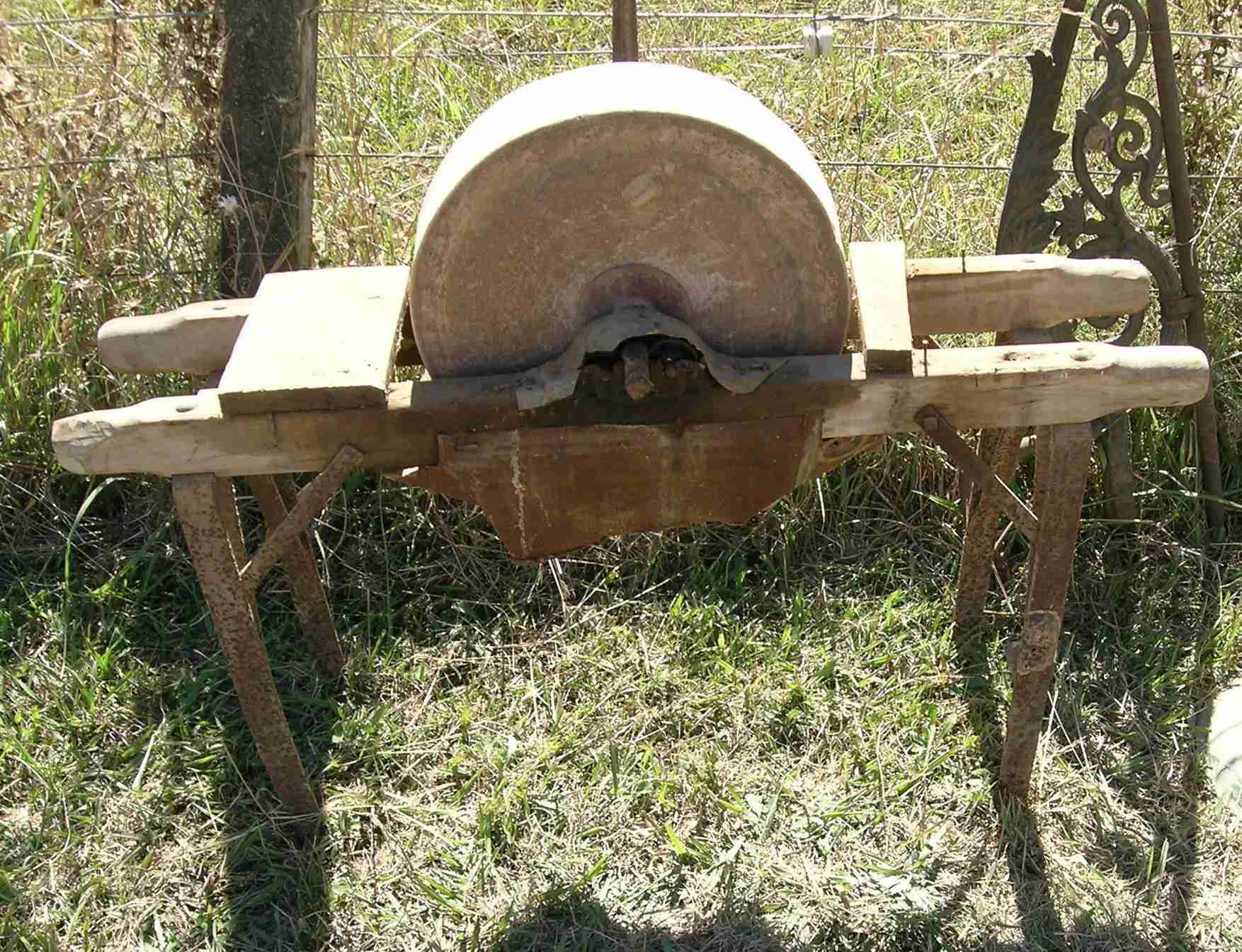
Tips for Achieving the Perfect Grind
When it comes to achieving the perfect grind for your grains, there are a few key tips to keep in mind. One of the most important factors to consider is the type of grain you are milling. Different types of grains require different grinding settings, so it’s essential to do your research and adjust your mill accordingly. Additionally, the moisture content of the grain can greatly impact the quality of the grind. Ensuring that your grains are at the optimal moisture level will result in a more consistent and uniform grind.
Another important tip for achieving the perfect grind is to adjust the coarseness of your mill. Experimenting with different settings can help you find the perfect balance between a fine and coarse grind, depending on your preferences. Additionally, regularly cleaning and maintaining your mill will ensure that it operates efficiently and produces high-quality flour. By following these tips and techniques, you can master the art of cereal milling and produce the perfect grind every time.

Factors to Consider When Choosing a Grain Mill
When it comes to choosing the right grain mill, there are several important factors to consider that can greatly impact the quality of your milling experience. Here are some key considerations to keep in mind:
- Capacity: Determine how much grain you need to grind at a time. Make sure the mill you choose can handle the volume you require.
- Grinding Mechanism: Consider whether you prefer a manual or electric grain mill. Each type has its own advantages and disadvantages.
- Material: Look for a mill made of durable materials like stainless steel or cast iron for long-lasting performance.
- Settings: Some mills offer adjustable settings for different types of grains and textures. Choose a mill that gives you the flexibility you need.
Additionally, think about the ease of cleaning and maintenance, noise level, and overall aesthetics of the grain mill. By evaluating these factors, you can ensure that you select a mill that meets your specific needs and preferences, making the art of cereal milling a truly enjoyable experience.
Final Thoughts
In conclusion, the art of cereal milling is a time-honored practice that has been essential to human survival and sustenance for centuries. From hand-held stones to modern electric mills, the process of grain grinding has evolved and adapted to meet the needs of society. So next time you enjoy a bowl of cereal or bake a loaf of bread, take a moment to appreciate the craftsmanship and skill that goes into producing the flour that makes it all possible. As we continue to innovate and refine our techniques, the ancient art of grain grinding will undoubtedly remain a vital part of our culinary heritage for generations to come.



