
In a world where the distance between farm and fork often feels immeasurable, the journey of corn stands as a remarkable testament to agricultural ingenuity and culinary versatility. From the golden fields bathed in sunlight to the bustling kitchens that bring meals to life, corn processing weaves a tale that intertwines nature, technology, and tradition. As one of the most prolific crops on the planet, corn is not merely a staple food but a vital ingredient that permeates various aspects of our daily lives — from the sweet kernels that adorn our plates to the myriad of products derived from its husks and stalks. Join us as we embark on an exploration of the fascinating transformation of this humble grain, tracing its path from the field where it flourishes to the table where it nourishes, revealing the intricate processes that underscore its journey and the intricate interplay between agriculture and cuisine.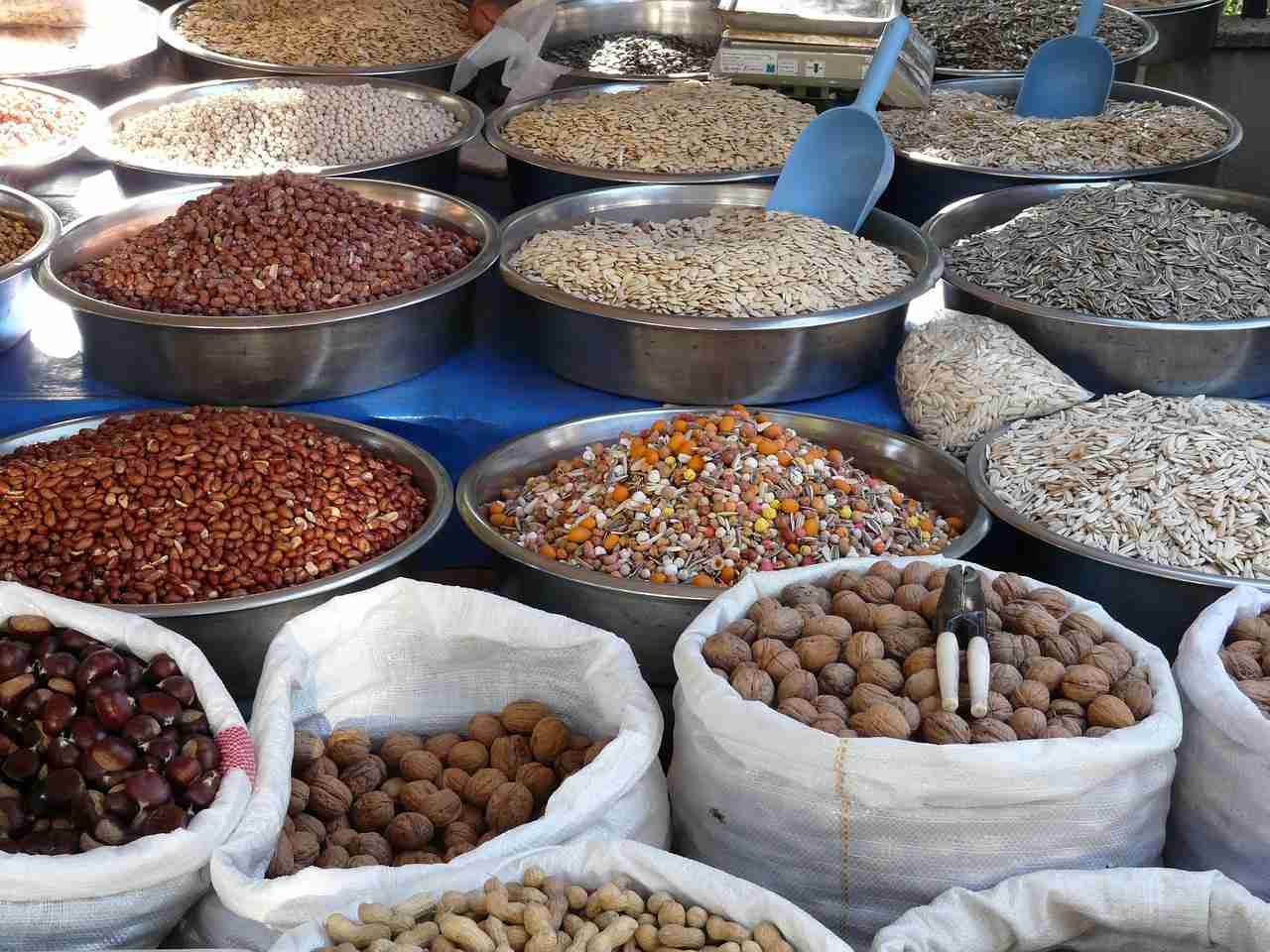
The Seed Selection: Choosing the Right Corn Varieties for Optimal Harvests
Choosing the right corn varieties is pivotal for achieving bountiful harvests that meet both quality and market demands. Corn comes in various types, each adapted to specific climates, soil conditions, and uses. When selecting seeds, it’s essential to consider several factors:
- Climatic Adaptation: Different varieties thrive in distinct weather conditions—some may resist drought, while others flourish in cooler temperatures.
- Purpose of Cultivation: Whether for human consumption, animal feed, or industrial uses, aligning the seed choice with end use is critical for maximizing profitability.
- Growth Characteristics: Certain varieties may mature faster, potentially offering earlier harvests and reducing risks associated with late-season weather extremes.
Furthermore, the emergence of biotechnology in agriculture has introduced hybrid corn varieties, which often exhibit enhanced resistance to pests and diseases. Farmers might consider the following when exploring these genetically engineered options:
| Trait | Advantage |
|---|---|
| Insect Resistance | Reduces the need for chemical pesticides, promoting a healthier ecosystem. |
| Herbicide Tolerance | Makes weed management more effective, leading to cleaner fields and reduced competition. |
| Drought Tolerance | Enables growth during periods of limited water availability, safeguarding yields. |
Ultimately, comprehensive research and field trials can guide farmers in making informed decisions, ensuring that the corn varieties selected not only cater to their specific needs but also significantly contribute to sustainable agricultural practices.
Harvesting Techniques: Best Practices for Maximizing Yields
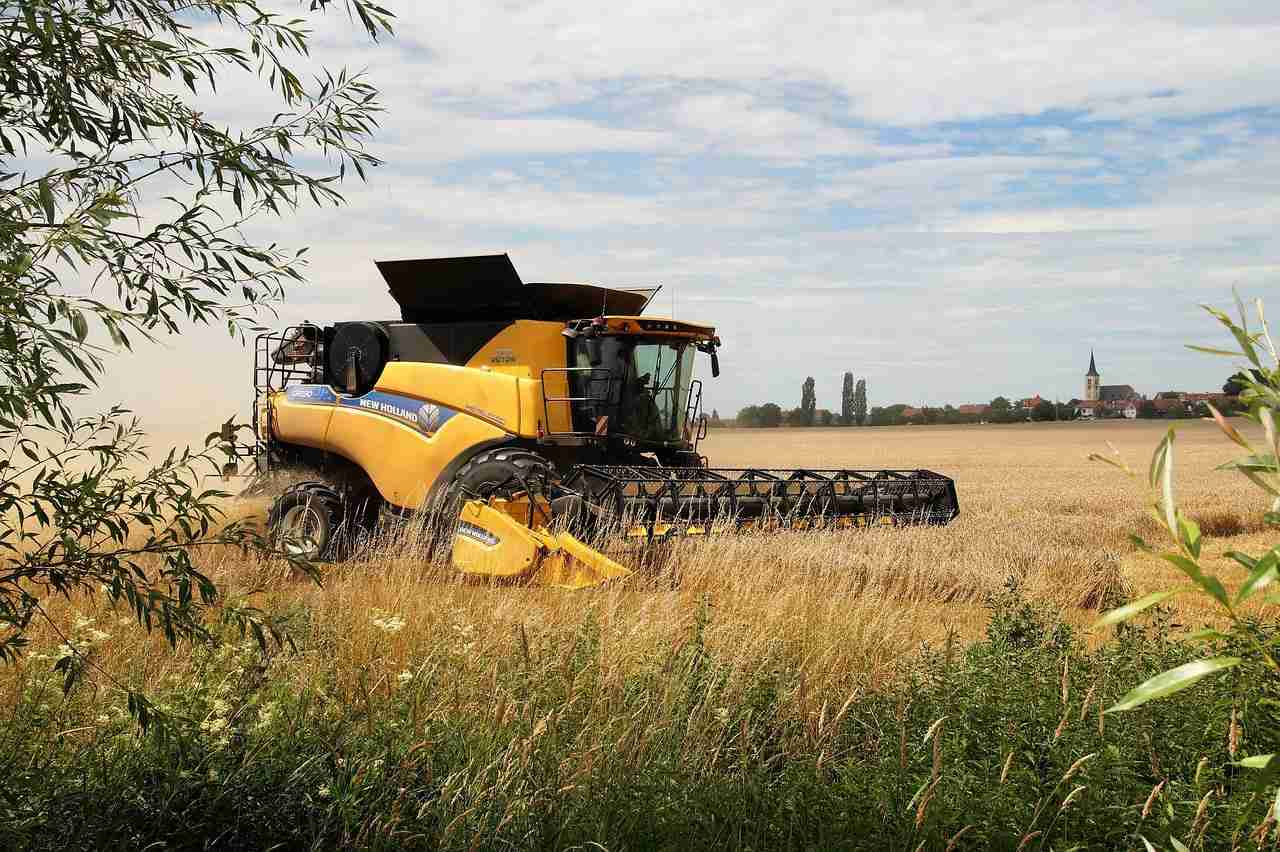
To maximize corn yields during harvesting, farmers must adopt a combination of precision and timing in their techniques. Optimal moisture levels are crucial; harvesting corn when the moisture content is around 15-20% allows for efficient processing and storage. Farmers often utilize modern machinery, such as combine harvesters equipped with sensors that gauge grain moisture, contributing to reduced waste and increased output.
Additionally, implementing a strategic harvesting schedule can significantly influence yield quality. It’s essential to consider factors such as weather conditions, soil health, and growth cycles. Effective practices include:
- Conducting regular field assessments to determine the best harvesting time.
- Using contour harvesting to minimize soil erosion.
- Employing proper row width adjustments to maximize sunlight exposure and air circulation.
- Incorporating integrated pest management for healthily produced corn.
Furthermore, characterization of corn varieties and their specific harvesting requirements can lead to better management and output. The following table illustrates some common corn varieties alongside their recommended harvest periods and moisture levels:
| Variety | Recommended Harvest Period | Ideal Moisture Level (%) |
|---|---|---|
| Field Corn | Late September – Early October | 15-20 |
| Sweet Corn | August – September | 70-75 |
| Popcorn | Late September | 13-14 |

Transformation Processes: Understanding How Corn Becomes Food
The journey of corn from the farm to our plates involves a series of fascinating transformation processes, each crucial in converting this golden grain into a beloved food staple. First, the corn is harvested, often using advanced machinery that efficiently collects and separates the kernels from the cobs. Once harvested, the corn undergoes cleaning and drying to prepare it for processing. This ensures that any unwanted debris and moisture are removed, which is vital to prevent spoilage. Following this, the kernels can be processed in various ways, resulting in different products such as cornmeal, corn syrup, and popcorn, each requiring unique methods of grinding, refining, or popping. Some of the key processing methods include:
- Milling: Transforming whole kernels into flour or meal.
- Nixtamalization: A traditional process for making masa, used in tortillas.
- Fermentation: Creating products like corn ethanol and beverages.
- Cooking: Preparing corn for snacks, such as chips and popcorn.
After the initial processing, the corn can be further refined into various food products. This can involve additional steps such as extrusion, where the corn is blended with other ingredients and cooked under pressure to form snacks like corn puffs and cereals. Important nutritional components, such as fiber and vitamins, often undergo significant transformation during these processes. Once processed, the final products are packaged and delivered to retailers, ensuring that the rich flavors and nutritional benefits of corn are preserved. An illustrative breakdown of key products derived from corn processing is as follows:
| Product | Processing Method |
|---|---|
| Cornmeal | Milling |
| High Fructose Corn Syrup | Refining |
| Masa | Nixtamalization |
| Popcorn | Popping |

Sustainable Practices: Recommendations for Eco-Friendly Corn Processing
Embracing sustainable practices in corn processing is not only beneficial for the environment but also enhances the quality of products reaching consumers. To minimize environmental impact, processors can implement the following strategies:
- Utilize Renewable Energy: Integrating solar panels or wind turbines can significantly reduce the carbon footprint of processing plants.
- Water Conservation: Invest in systems that recycle water used in processing, ensuring minimal wastage and safeguarding local water sources.
- Waste Reduction: Develop a robust waste management system that involves composting organic material and repurposing by-products.
- Eco-Friendly Packaging: Transition to biodegradable or recyclable packaging materials that lessen the impact on landfills.
Moreover, transparency in sourcing and production practices fosters a culture of sustainability. Corn processors should focus on:
- Local Sourcing: Collaborating with local farmers not only supports the community but reduces transportation emissions.
- Education: Providing training sessions for workers on sustainable practices can improve overall efficiency and sustainability.
- Certifications: Obtaining certifications such as USDA Organic or Non-GMO Project Verified can enhance market appeal and consumer trust.
| Practice | Benefit |
|---|---|
| Renewable Energy | Reduces operational costs and carbon emissions |
| Water Recycling | Conserves vital water resources and lowers disposal costs |
| Waste Management | Enhances soil health and reduces landfill reliance |
Closing Remarks
the journey of corn from field to table is a remarkable tapestry woven with tradition, innovation, and sustainability. Each step, from the care of farmers nurturing the golden ears in sun-drenched fields to the meticulous processing that transforms them into an array of consumable products, reflects a deep connection to agriculture and our culinary heritage. As consumers, understanding this journey not only deepens our appreciation of the foods we enjoy but also fosters a greater respect for the labor and resources that contribute to our meals. Next time you savor a dish featuring corn, take a moment to reflect on the elaborate processes that brought it to your plate. Whether it’s corn on the cob at summer barbecues or a simple cornbread enjoyed with family, remember that every bite tells a story—one of the land, the people, and the relentless pursuit of a more sustainable future.



