
In the heart of agricultural innovation lies a transformation that not only redefines traditional practices but also enhances the sustainability and efficiency of food production: the modern rice mill plant. As the lifeline for millions around the globe, rice plays a vital role in feeding diverse populations, and the journey from paddy to polished grain has evolved dramatically. Gone are the days of labor-intensive processing; contemporary rice milling facilities are embodying the future of grain handling with cutting-edge technology, streamlined operations, and an emphasis on quality. This article delves into the intricate workings of modern rice mill plants, exploring how they blend age-old agricultural wisdom with contemporary advancements to meet the demands of today’s market, all while preserving the essence of a staple that nourishes millions. Join us on this journey of transformation, where grains undergo a metamorphosis that is as much about innovation as it is about tradition.
Understanding the Technology Behind Modern Rice Milling Processes
At the heart of modern rice milling processes lies a synergy of advanced technology and engineering excellence. Traditional methods of rice milling have evolved into highly sophisticated systems that not only optimize efficiency but also enhance the quality of the final product. Central to this transformation is the use of automated machinery and precision equipment, which allows for the rapid processing of large quantities of grain while minimizing waste. Key components of this technology include:
- Pre-cleaners: These machines remove impurities like stones, dust, and husks before the milling process begins.
- De-stoners: Essential for further purification, these separate stones from the grains using vibration and air flow.
- Milling Machines: These precision machines hull and polish the rice, ensuring uniformity and a higher quality end product.
In addition to mechanical advancements, modern rice mills integrate digital monitoring systems that track each stage of the milling process in real-time. This technology not only improves the overall efficiency of operations but also helps in quality control, ensuring consistency and adherence to food safety standards. Moreover, the implementation of energy-efficient solutions and waste recycling programs showcases a commitment to sustainability. Below is a brief overview of the benefits offered by these advancements:
| Benefit | Description |
|---|---|
| Increased Output | Higher processing capacity with minimal downtime. |
| Quality Assurance | Consistent product quality through automated checks. |
| Sustainability | Reduced energy consumption and waste generation. |
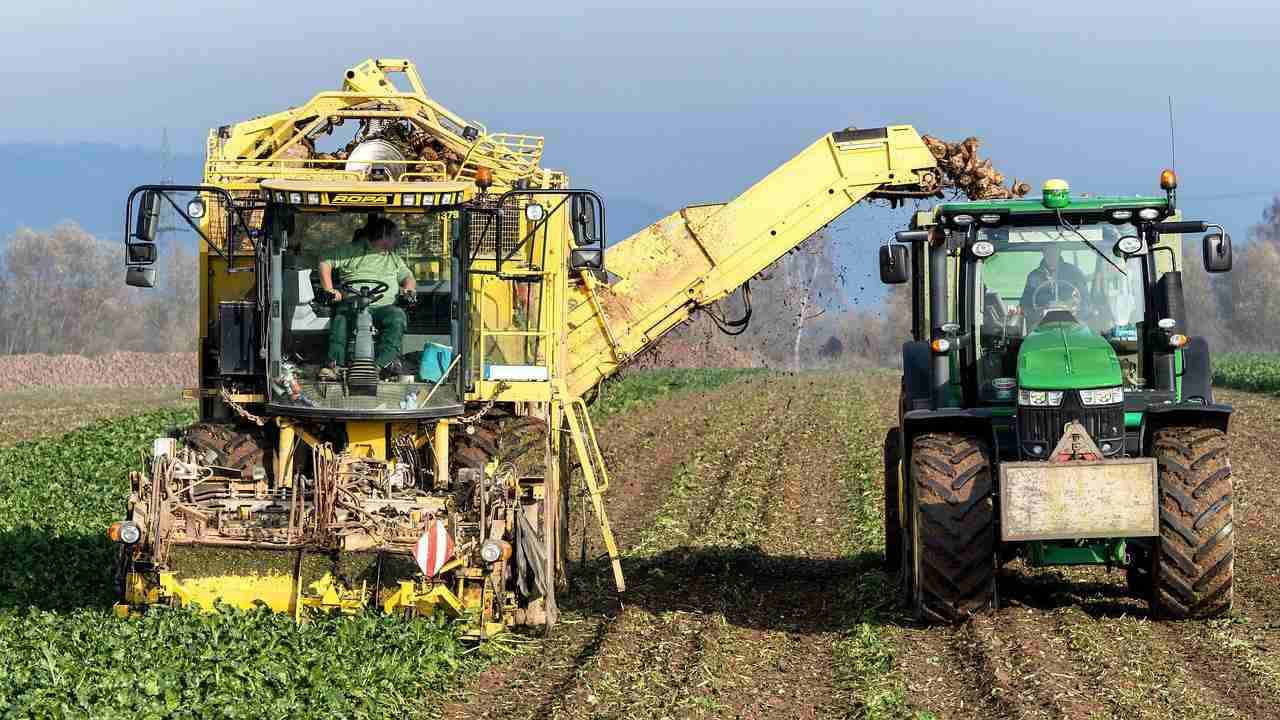
Key Benefits of Automation in Rice Mill Operations
The integration of automation technologies in rice mill operations brings forth a wave of efficiency that reshapes traditional processing methods. By adopting automated systems, rice mills can significantly reduce human error, thereby ensuring consistent quality and yield. Tasks that once required extensive manual labor—such as sorting, grading, and milling—can now be performed swiftly and accurately by machines. This leads to optimized resource management, minimizing waste and maximizing output.
Moreover, automation facilitates real-time monitoring and data collection, allowing mill operators to make informed decisions based on precise analytics. Key advantages include:
- Increased Efficiency: Streamlined processes reduce processing time.
- Quality Consistency: Automated systems ensure uniform output with fewer defects.
- Sustainable Practices: Enhanced resource use promotes environmental sustainability.
- Labor Cost Reduction: Decreased dependence on manual labor lowers operational costs.
- Scalability: Automated systems can easily adapt to growing production demands.
To illustrate the impact of automated systems, consider the comparative efficiency between traditional and modern rice milling methods:
| Method | Time Taken (Hours) | Output (Tons) |
|---|---|---|
| Traditional Milling | 8 | 2 |
| Automated Milling | 3 | 5 |
The stark contrast highlights not only the potential for increased throughput but also the enhanced capacity for meeting market demands efficiently. Embracing automation in rice mills is not simply an upgrade; it’s a transformation that aligns modern agricultural practices with the pressing need for sustainability and efficiency in food production.
Sustainability Practices for Eco-Friendly Rice Production
Modern rice production is evolving to embrace eco-conscious methods that harmonize with the environment while optimizing efficiency. Techniques like crop rotation and integrated pest management are being employed to enhance soil health and reduce dependency on harmful chemicals. By alternating the types of crops grown, farmers can naturally replenish soil nutrients and minimize pest outbreaks without the overuse of pesticides. Furthermore, many producers are utilizing water-efficient irrigation systems, such as drip or sprinkler systems, to conserve water, recognizing that managing this vital resource is key to sustainable agriculture.
In addition to improving farming methods, rice mills are adopting innovative practices that lessen their carbon footprint. Many facilities are utilizing renewable energy sources, such as solar panels or biomass, to power operations. This shift significantly decreases greenhouse gas emissions associated with rice processing. Additionally, mills are focusing on waste reduction strategies, such as recycling by-products and investing in energy-efficient machinery. By optimizing the production process, these rice mills not only produce high-quality grains but also contribute to a greener future. Below is a summary of some eco-friendly initiatives:
| Initiative | Description |
|---|---|
| Crop Rotation | Alternating crops to improve soil health. |
| Integrative Pest Management | Naturally controlling pests to minimize chemical use. |
| Water-efficient Irrigation | Using smart systems to conserve water resources. |
| Renewable Energy | Powering mills with solar and biomass sources. |
| Waste Reduction | Recycling by-products and enhancing production efficiency. |
Maximizing Efficiency: Tips for Running a Successful rice mill plant
To fully unleash the potential of a rice mill plant, it’s essential to streamline processes and integrate advanced technologies. Start by evaluating your equipment and operations; investing in modern machinery that enhances efficiency can lead to significant savings in both time and resources. Implementing automated systems for sorting, packing, and quality control can drastically reduce human error and labor costs. Additionally, consider leveraging software solutions for inventory management and production tracking to facilitate real-time data access, which allows for more agile decision-making. These technologies not only improve production rates but also help maintain consistent quality throughout the milling process.
Training staff is equally crucial in maximizing productivity. Regular workshops and ongoing education programs ensure that everyone is well-versed with the latest industry practices and technologies. Cultivating a culture of continuous improvement can motivate employees to identify bottlenecks and suggest enhancements. Here are some key points to implement:
- Regular maintenance of machinery: Schedule periodic checks to prevent breakdowns.
- Health & safety training: Equip employees with knowledge on safety protocols to reduce workplace accidents.
- Quality assurance protocols: Establish rigorous standards and manufacturing practices to uphold product integrity.
| Focus Area | Description | Benefits |
|---|---|---|
| Equipment Upgrades | Invest in modern machinery | Enhanced efficiency and reduced costs |
| Training Programs | Ongoing employee education | Improved morale and productivity |
| Automation | Implement automated processes | Less human error, faster output |
To Wrap It Up
In a world where agricultural innovation and efficiency are paramount, the modern rice mill plant stands as a testament to the remarkable evolution of grain processing. From the intricate machinery that performs precision milling to the sustainable practices that promise a greener future, these facilities are at the forefront of transforming not just grains but entire communities. As we move into an era marked by technological advancements, the rice mill plant experience continues to redefine how we perceive food production. It serves as a reminder that even the most traditional of crops can benefit from modern techniques, ensuring that rice remains not just a staple on our plates but a vital part of our global nutrition. As we close this exploration, it is clear that the journey of rice from field to table is not just about grains; it’s about innovation, sustainability, and the promise of a better tomorrow.



