
In the world of agriculture, rice is a staple crop that feeds billions of people around the globe. However, the traditional methods of processing rice can be time-consuming and labor-intensive. Enter the Automatic Milling Plant, a revolutionary technology that is changing the game of rice production. This innovative machine is streamlining the milling process, increasing efficiency, and ensuring a more consistent quality of rice. Join us as we explore how this cutting-edge technology is transforming the way we produce one of the world’s most important food sources.
Introduction: Revolutionizing Rice Production with Automatic Milling Plants
Rice production has long been a labor-intensive process, with farmers spending hours manually milling rice to prepare it for consumption. However, with the introduction of automatic milling plants, the landscape of rice production is undergoing a significant transformation. These innovative plants are revolutionizing the way rice is processed, making it more efficient, cost-effective, and environmentally friendly.
By automating the milling process, these plants are able to handle large quantities of rice in a fraction of the time it would take a human worker. This not only increases productivity but also ensures consistency in the quality of the final product. With the ability to adjust settings for different types of rice, automatic milling plants offer a level of customization that was previously unimaginable. Additionally, by reducing the need for manual labor, these plants are helping to alleviate the burden on farmers and improve overall efficiency in the rice production industry.
Increased Efficiency and Output: How Automatic Milling Plants are Transforming Rice Production
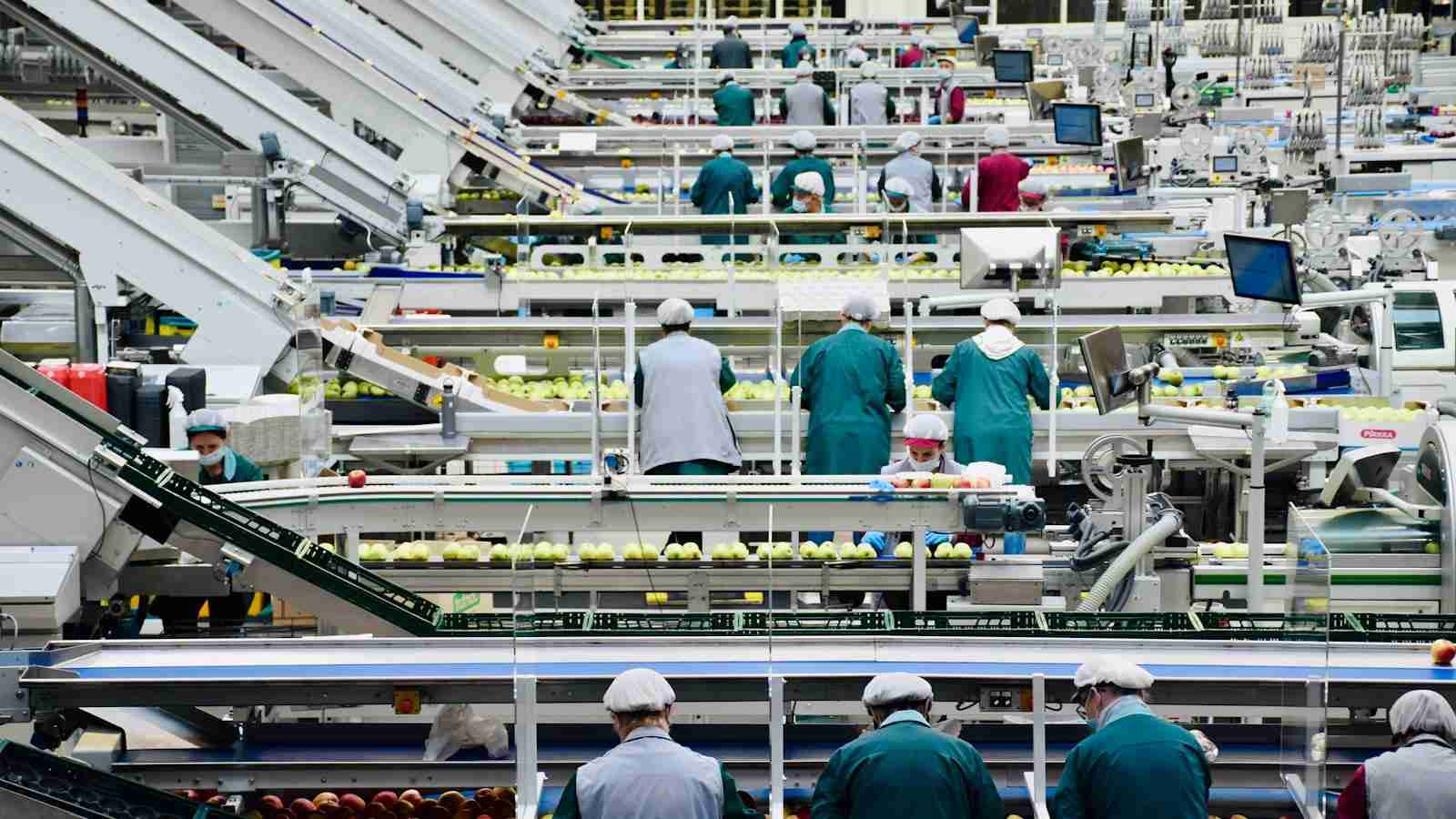
Imagine a world where rice production is faster, more efficient, and yields higher output than ever before. Thanks to automatic milling plants, this vision is becoming a reality in the agricultural industry. These state-of-the-art facilities are transforming the way rice is processed, leading to significant improvements in productivity and quality.
With automatic milling plants, every step of the production process is streamlined and optimized for maximum efficiency. From cleaning and husking to polishing and sorting, these plants are equipped with advanced technology to ensure that each grain of rice is handled with precision and care. The result? A consistent, high-quality product that meets the demands of consumers around the world. In addition, automatic milling plants are able to operate 24/7, further increasing output and reducing processing times to meet the ever-growing demand for rice.
Cost Savings and Sustainability: The Environmental Benefits of Automatic Milling Plants
Automatic milling plants are revolutionizing the way rice production is carried out, offering a plethora of environmental benefits along with cost savings. These innovative plants are equipped with cutting-edge technology that not only speeds up the milling process but also significantly reduces energy consumption. By automating the milling process, the plants are able to operate more efficiently, resulting in lower utility costs and decreased environmental impact.
Furthermore, automatic milling plants contribute to sustainability efforts by minimizing waste generation. The precise milling process ensures that less rice is wasted during production, leading to higher yields and reduced environmental footprint. Additionally, the plants are designed to optimize water usage, conserving this precious resource and reducing water wastage in the milling process. Overall, these plants offer a sustainable solution for rice production that not only benefits the environment but also improves the bottom line for producers.
Recommendations for Integrating Automatic Milling Plants into Rice Production Processes
When integrating automatic milling plants into rice production processes, there are a few key recommendations to consider for maximizing efficiency and output. Firstly, ensure that the plant is equipped with advanced automation technology to streamline the milling process. This includes sensors for monitoring moisture levels, temperature control mechanisms, and automated conveyor belts for seamless transportation of rice grains.
Additionally, it is crucial to invest in regular maintenance and training for plant operators to optimize performance and prevent downtime. Implementing a robust maintenance schedule will help identify and address any potential issues before they escalate, ensuring continuous operation of the milling plant. Lastly, prioritize sustainability by incorporating eco-friendly practices such as energy-efficient machinery and water recycling systems to minimize environmental impact.
In Summary
In conclusion, it is evident that the Automatic Milling Plant has the potential to revolutionize rice production as we know it. With its innovative technology and efficient processes, this automated system streamlines the milling process and increases productivity, ultimately benefiting both producers and consumers alike. As we continue to embrace advancements in agriculture, the possibilities for improving efficiency and sustainability in rice production are endless. The future of rice processing looks bright with the integration of the Automatic Milling Plant. Exciting times are ahead for the rice industry, as we witness the transformation of traditional practices into modern marvels of innovation. The path to a more efficient, sustainable, and prosperous rice production industry starts here, with the Automatic Milling Plant leading the way.



