
In the world of rice processing, there is a method shrouded in mystery and fascination – parboiling. This unique technique has long been revered for its ability to enhance the natural nutrients and qualities of rice, creating a product that is both nutritious and delicious. Join us on a journey as we unravel the secrets behind parboiled rice processing and discover the magic that lies within each grain.
Discovering the Science Behind Parboiling Process
Parboiling is a fascinating process that transforms ordinary rice into a nutrient-rich and flavorful grain. During parboiling, the rice grains are partially boiled in the husk, allowing them to absorb important nutrients before being dried and milled. The science behind parboiling lies in the gelatinization of the rice starch, which occurs when the grains are heated in water. This process alters the rice’s physical and chemical properties, resulting in a firmer texture and improved nutritional content.
One of the key benefits of parboiling is the retention of vitamins and minerals that are typically lost during traditional rice processing. By parboiling the rice, essential nutrients such as thiamine, niacin, and magnesium are sealed into the grain, providing a healthier option for consumers. Additionally, parboiled rice has a lower glycemic index compared to white rice, making it a better choice for individuals looking to manage their blood sugar levels. The next time you enjoy a bowl of fluffy parboiled rice, remember the intricate science behind this magical process.
Enhancing Nutritional Value Through Parboiling
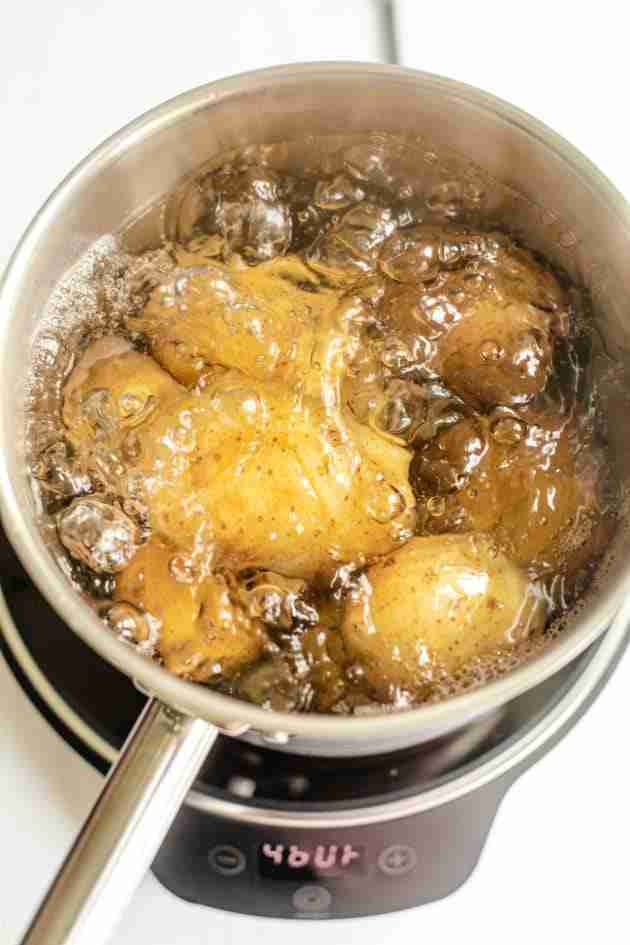
Parboiling rice is a process that involves partially boiling the rice grains in their husks before removing them for further milling. This unique method not only helps in enhancing the nutritional value of rice but also improves its texture and taste. During parboiling, the rice grains absorb certain nutrients from the husk, which are then retained even after milling.
One of the key benefits of parboiling rice is the retention of essential nutrients such as vitamins and minerals which are typically lost during the polishing process. Additionally, parboiled rice has a lower glycemic index compared to regular white rice, making it a healthier option for those looking to manage their blood sugar levels. By incorporating parboiled rice into your diet, you can enjoy a nutritious and delicious meal without compromising on taste or texture.

Optimizing Processing Techniques for Premium Quality Rice
Have you ever wondered about the secret behind the premium quality of parboiled rice? It all comes down to the meticulous processing techniques that are employed to ensure each grain meets the highest standards of quality. From soaking the rice in hot water to steaming and drying it to perfection, every step in the processing chain plays a crucial role in delivering the distinctive texture and taste that makes parboiled rice stand out from the rest.
One key aspect of is the use of controlled temperatures throughout the various stages of production. By carefully monitoring and adjusting the temperature at each stage, processors can unlock the full potential of the rice, bringing out its natural flavors and nutrients. Additionally, the use of state-of-the-art machinery and equipment helps to streamline the processing workflow, ensuring that each batch of rice is consistently of the highest quality. With a focus on precision and attention to detail, processing facilities can produce parboiled rice that not only meets but exceeds customer expectations.
Exploring the Culinary Benefits of Parboiled Rice
Parboiled rice is a type of rice that has been soaked, steamed, and dried before being milled. This unique processing method not only helps retain more nutrients in the rice but also provides several culinary benefits that make it a popular choice in many dishes around the world.
One of the key advantages of parboiled rice is its ability to hold up well in dishes that require longer cooking times, such as paella or risotto. The grains are firmer and less sticky than regular white rice, making them perfect for dishes where a distinct grain texture is desired. Additionally, parboiled rice has a slightly nutty flavor and a golden hue that can add depth and complexity to a variety of dishes. Whether you’re looking to elevate your pilaf or create a hearty jambalaya, parboiled rice is a versatile ingredient that can bring a new dimension to your culinary creations.
In Conclusion
As we draw the curtain on the fascinating world of parboiled rice processing, we hope you have gained a deeper insight into the magic behind this unique method. From its origins to the intricate process of production, parboiled rice truly is a culinary marvel worth exploring. Whether you are a chef looking to elevate your dishes or simply a curious food enthusiast, we encourage you to embrace the wonder of parboiled rice and discover the delicious possibilities it holds. Stay tuned for more captivating insights into the art of food processing and preparation. Thank you for joining us on this flavorful journey!



