
In the fast-paced world of agriculture, efficiency is key to ensuring sustainability and profitability. Among the myriad of innovations reshaping the industry, combine mini rice mills are garnering attention as a transformative solution for smallholder farmers and agribusinesses alike. Once limited to large-scale operations, rice milling has now been revolutionized by compact and multifunctional machinery that streamlines the entire process—from harvesting to milling—in one seamless operation. This article delves into the rise of combine mini rice mills, exploring their design, benefits, and the pivotal role they play in modernizing rice production. Through a closer look at this intriguing advancement, we can better understand how these efficient solutions are enabling farmers to maximize yields, reduce labor costs, and navigate the challenges of a changing agricultural landscape.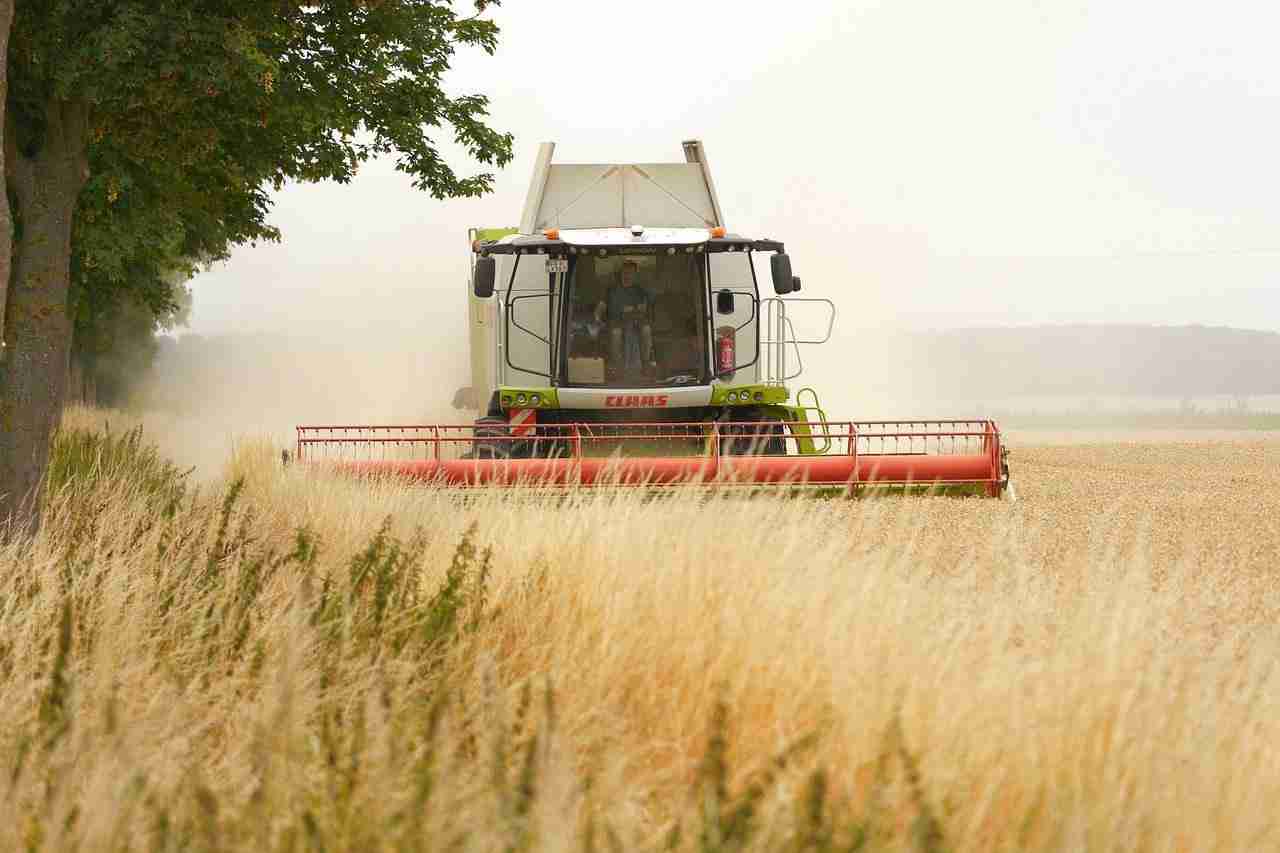
Exploring the Benefits of Combine Mini Rice Mills for Small-Scale Farmers
Combine mini rice mills have emerged as an innovative and essential tool for small-scale farmers looking to enhance their productivity and efficiency. By integrating multiple functions into one compact machine, these mills provide an all-in-one solution for rice processing, which is particularly beneficial for farmers with limited resources. The advantages of using combine mini rice mills include:
- Reduced Labor Costs: With the ability to harvest, thresh, and mill rice in a single pass, farmers can significantly cut down on the amount of labor required for each stage of rice production.
- Time Efficiency: The quick processing time allows farmers to allocate their hours to other essential farming activities, promoting better farm management.
- Increased Yield Quality: High-quality milling is crucial for maintaining the nutritional value and market value of rice, and these mills help achieve superior results.
- Affordability: Compared to traditional mills, combine mini rice mills are often more affordable, making them accessible to small-scale farmers.
Furthermore, the adoption of these advanced machines enhances the farmers’ ability to compete in an increasingly demanding market. By ensuring consistent quality and reducing post-harvest losses, small farmers can secure better prices for their produce. The integration of technology in agriculture through combine mini rice mills not only optimizes the production process but also contributes to the overall economic upliftment of rural communities. Below is a simple comparison table highlighting the key features of traditional mills versus combine mini rice mills:
| Feature | Traditional Mills | Combine Mini Rice Mills |
|---|---|---|
| Functionality | Separate machines for harvesting and milling | All-in-one harvesting and milling |
| Labor Requirement | High | Low |
| Processing Time | Long | Quick |
| Cost | Higher operational costs | Lower initial investment |

Technological Innovations Driving the Efficiency of Mini Rice Mills
The evolution of mini rice mills has been significantly propelled by several technological advancements, streamlining processes and enhancing productivity. Automation plays a pivotal role, transforming labor-intensive tasks into efficient, machine-driven operations. Key innovations include the incorporation of sensor technology to monitor grain quality in real-time, alongside variable frequency drives that optimize motor performance according to processing needs. With reduced reliance on human labor, these automated systems not only improve efficiency but also minimize the risk of errors during milling, leading to higher-quality rice with less waste.
Moreover, the shift towards energy-efficient machinery has brought down operational costs significantly. Advanced mills now utilize solar-based energy systems, making them both eco-friendly and cost-effective. Integration of IoT (Internet of Things) devices allows for centralized monitoring of machine performance, ensuring timely maintenance and operational adjustments to meet production demands. The benefits extend beyond mere output; these innovations also create opportunities for small-scale farmers by providing them with access to affordable milling solutions that empower them to compete in larger markets.
| Innovation | Benefit |
|---|---|
| Automation | Reduces labor costs and errors |
| Energy-efficient machinery | Lowers operational expenses |
| IoT Integration | Enhances monitoring and maintenance |
| Sensor Technology | Improves grain quality control |
Sustainable Practices and Economic Impact of Combine Mini Rice Milling
As the agricultural sector seeks to modernize and minimize its environmental footprint, the emergence of combine mini rice mills proves to be a game-changer. These compact units not only streamline the rice milling process but also promote sustainable practices that align with eco-friendly goals. By utilizing efficient energy consumption methods, such as the integration of renewable energy sources, these machines contribute to a decrease in greenhouse gas emissions. Furthermore, the design of these mills often emphasizes low water usage and waste reduction, ensuring that resource conservation is a top priority.
The economic impact of combine mini rice mills is substantial, particularly for smallholder farmers. With reduced operational costs and increased productivity, farmers can reap greater profits while still maintaining an environmentally-friendly approach. Key benefits include:
- Cost savings: Decreased reliance on large-scale milling facilities lowers transportation and processing expenses.
- Job creation: Localized milling encourages employment opportunities within communities.
- Boosted local economies: The growth in rice production can lead to enhanced market dynamics and better pricing for farmers.
This innovative technology thus not only supports sustainable development but also provides a pathway towards a more resilient agricultural economy.
Guidelines for Choosing the Right mini rice mill for Your Agricultural Needs
Selecting the appropriate mini rice mill can impact your agricultural efficiency significantly. To make an informed choice, you should consider several key factors. First, assess the processing capacity of the mill, ensuring it aligns with your production requirements. Choosing a mill with a capacity that matches or slightly exceeds your expected output can minimize downtime and enhance productivity. Additionally, evaluate the power source; whether you opt for electric or diesel-powered mills can depend on your local energy availability and preferences.
Another critical factor is the features and technology integrated into the mini rice mill. Modern models often include advanced milling systems that improve both yield and quality. Look for options offering:
- Multi-functional capabilities: Some mills can handle various grains beyond rice.
- User-friendly operation: Features such as automatic controls can reduce labor costs.
- Maintenance requirements: Choose designs that facilitate easy cleaning and servicing.
Additionally, review customer feedback and warranties from manufacturers to gauge reliability and service quality before making a purchase.
Wrapping Up
As we conclude our exploration into the world of combine mini rice mills, it becomes evident that this innovative solution is not just a trend but a transformative force in the agricultural landscape. By marrying efficiency with functionality, these compact milling systems empower farmers, enhance productivity, and contribute to sustainable practices in rice production. As the demand for rice continues to rise globally, the adaptability and reduced resource consumption of mini mills position them as essential players in ensuring food security.
As we navigate an ever-evolving industry shaped by technological advancements and environmental considerations, the rise of combine mini rice mills stands as a testament to human ingenuity and commitment to efficient farming. Embracing such solutions paves the way for a future where agricultural practices are not only more productive but also more aligned with the needs of our planet. The journey towards modernized agriculture is just beginning, and the innovations derived from these compact machines will undoubtedly shape the narrative of rice production for generations to come.



