
In the heart of verdant rice fields, where the golden grains sway gently in the breeze, an intricate dance of transformation is already in motion. Welcome to a paddy processing factory, where nature’s bounty is meticulously refined into the staple that nourishes millions. This article delves into the unseen world behind the humble grain, exploring the sophisticated machinery, skilled artisans, and innovative techniques that elevate harvested paddy into polished rice. Join us as we peel back the layers of this vital industry, revealing the processes that bridge the gap between the farmer’s toil and the consumer’s plate, and uncover the stories of resilience and ingenuity that thrive within the walls of the processing plant. Through this journey, we aim to highlight not only the technological advancements at play but also the enduring traditions that continue to define this essential sector.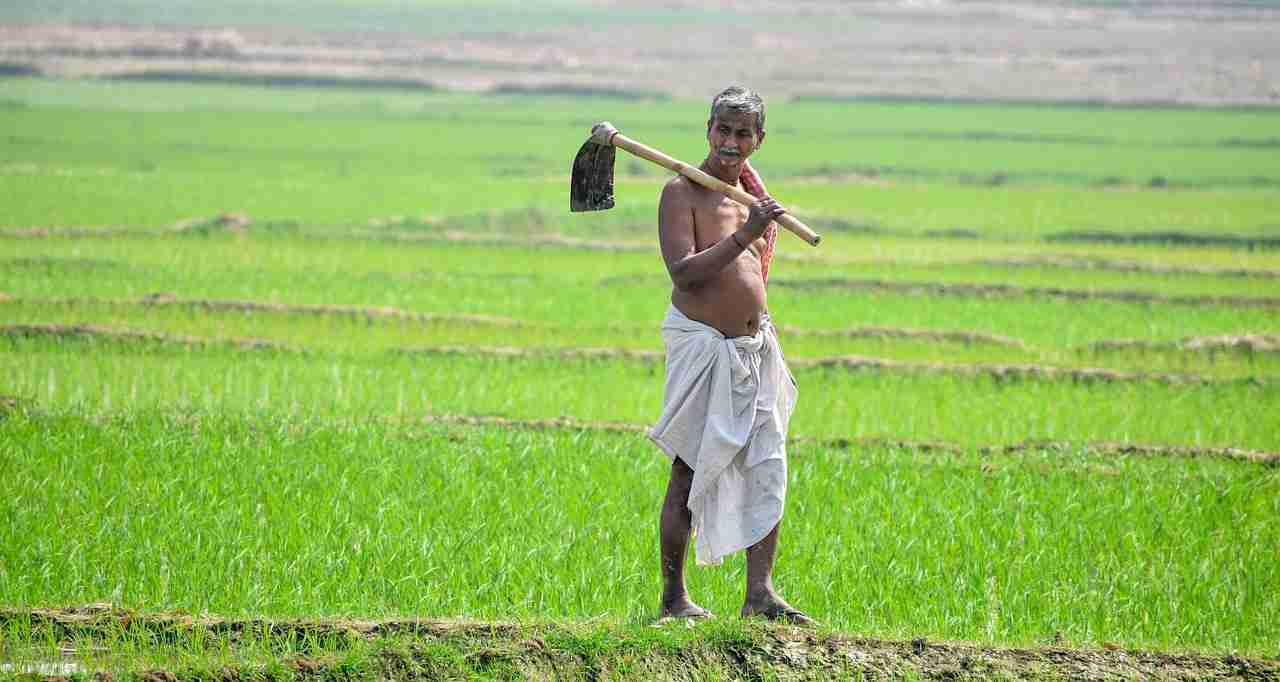
Exploring Modern Techniques in Paddy Processing
The landscape of paddy processing has undergone remarkable transformation in recent years, driven by technological advancements and a growing emphasis on sustainability. Today, modern facilities harness top-tier machinery that enhances both efficiency and quality in the processing stages. Sorting and milling processes now involve cutting-edge equipment that minimizes grain damage while maximizing yield. Recognizing the importance of quality, many factories implement optical sorting technology, which utilizes advanced sensors to detect and separate inferior grains, ensuring a premium end product.
Equally significant is the integration of environmentally friendly practices within these processing plants. Techniques such as water recycling systems and energy-efficient machinery demonstrate a commitment to reducing the ecological footprint of rice production. Here’s a brief overview of some modern techniques employed in these facilities:
- Infrared Drying: Enhances moisture removal without compromising grain integrity.
- Automated Packaging: Increases speed and accuracy in packing processes.
- Quality Control Stations: Monitor grain quality at multiple processing stages.
| Technique | Benefit |
|---|---|
| Digital Monitoring Systems | Instant data analysis for improved efficiency |
| Biomass Energy Use | Reduces reliance on non-renewable energy sources |
| Cold Storage Facilities | Extends shelf life and preserves quality |

Maximizing Efficiency Through Technology Integration
In a paddy processing factory, technology integration acts as the backbone of operational efficiency, transforming traditional methods into streamlined processes. By utilizing automated sorting systems, laboratories equipped with high-definition imaging, and AI-driven analytics, factories can significantly reduce human error and increase throughput. With these advancements, workers can focus on more complex tasks, while machines take care of repetitive processes. Additionally, the integration of Internet of Things (IoT) devices enables real-time monitoring of equipment conditions and operational streams, providing valuable insights that lead to enhanced decision-making and reduced downtime.
Beyond hardware, software plays an integral role in maximizing efficiency. Enterprise Resource Planning (ERP) systems consolidate various functions, from inventory management to quality control, into a single platform that can be easily accessed and analyzed. This holistic approach not only reduces discrepancies caused by data fragmentation but also enhances collaboration across departments. Moreover, cloud computing offers scalable solutions that can grow alongside the factory’s increasing demands, ensuring that the processing capabilities remain agile and responsive. Embracing this technological transformation not only boosts productivity but also positions the factory as a leader in sustainability by optimizing resource use and minimizing waste.
| Technology | Benefits |
|---|---|
| Automated Sorting Systems | Improves accuracy, reduces labor costs |
| AI-Driven Analytics | Enhances decision-making, identifies trends |
| IoT Devices | Real-time monitoring, minimizes downtime |
| ERP Systems | Streamlines operations, improves collaboration |
Sustainable Practices for Environmentally Friendly Operations
To minimize the environmental impact of paddy processing, several innovative practices have been adopted. Factories are increasingly turning to renewable energy sources, such as solar panels and biomass, which significantly reduce reliance on fossil fuels. Additionally, water conservation techniques, such as recirculating systems, are implemented to ensure that every drop is reused effectively. Waste management practices have also evolved, with organic byproducts being transformed into high-quality fertilizers, aiding in soil health while further closing the sustainability loop.
Among the practices being rolled out, eco-friendly packaging solutions are gaining traction, replacing plastic with biodegradable materials that ensure minimal harm to wildlife. Furthermore, many factories now engage with local farmers to develop sustainable sourcing strategies, promoting the use of crop rotation and integrated pest management. Creatively, these partnerships not only enhance the ecological balance but also empower the local agricultural community. Below is a simplified table showcasing the benefits of various sustainable practices:
| Practice | Benefit |
|---|---|
| Renewable Energy | Reduces carbon footprint |
| Water Recirculation | Conserves resources |
| Biodegradable Packaging | Minimizes plastic waste |
| Local Sourcing | Strengthens community ties |
Empowering Local Farmers through Fair Trade Initiatives
In the heart of rural communities, local farmers are finding new avenues to thrive thanks to innovative trade practices. By implementing fair trade initiatives, these farmers are gaining equitable prices for their produce, which not only enhances their economic stability but also fosters a stronger sense of community. This revitalized focus on sustainable agriculture promotes environmentally friendly farming techniques and encourages the preservation of traditional methods, ensuring that future generations can continue their rich heritage.
A shining example of this transformation can be seen in local paddy processing factories, where the integration of fair trade has made significant strides. These facilities often serve not just as processing centers, but as hubs of education and collaboration, empowering farmers through skill-building workshops and access to modern technology. Consider the following benefits:
- Better Income Stability: Farmers receive fair compensation, which leads to financial security.
- Community Development: Profits are reinvested into local communities, improving infrastructure and healthcare.
- Environmental Awareness: Sustainable practices reduce carbon footprints and enhance biodiversity.
To understand the impact of fair trade on local farmers, let’s explore a brief comparison of conventional versus fair trade practices in paddy production:
| Aspect | Conventional Practices | Fair Trade Practices |
|---|---|---|
| Pricing | Market-driven rates | Stable, set prices |
| Community Investment | Minimal | Robust initiatives |
| Environmental Practices | Note to sustainability | Encouraged sustainable techniques |
Through these initiatives, it becomes clear that fair trade practices not only uplift farmers economically but also enrich the fabric of their communities, fostering resilience in an ever-evolving agricultural landscape.
Wrapping Up
As the sun sets over the expansive fields where golden grains sway gently in the breeze, the journey from paddy to processed rice comes full circle within the walls of the factory. This exploration into the heart of a paddy processing facility has illuminated not just the intricate machinery and methods that bring the harvest to our tables, but also the dedication and craftsmanship involved in each step of the journey.
In an era where the demand for sustainable practices and efficiency is paramount, the innovations within these processing plants are ensuring that we honor the land while meeting the needs of a growing population. From the rhythmic hum of the milling machines to the artistry of quality control, every aspect of this transformation reflects a commitment to excellence and sustainability.
As we reflect on the importance of understanding the processes behind our food, we are reminded that every grain carries the stories of those who cultivate, harvest, and process it. The next time you serve rice at your dinner table, take a moment to appreciate not just the flavors it brings but also the remarkable journey it undertook—from the verdant fields to the precision of the processing factory, into your bowl. In recognizing this connection, we not only celebrate the agricultural bounty but also the shared responsibility we have in preserving these vital processes for generations to come.



