
Unraveling the Secrets of Cereal Processing: From Farm to Bowl
In the quiet embrace of dawn, as the golden sun rises over vast fields, a symphony of life begins its day. It is here, amidst the rustling grains and fertile soil, that the journey of cereal production takes root. From the humble sowing of seeds to the intricate machinery that transforms grains into breakfast staples, the process is a fascinating blend of tradition and innovation. Every spoonful of cereal holds within it a story — a narrative of agricultural diligence, technological advancement, and nutritional science interwoven to create the cherished rituals of morning meals across the globe. This article invites you to explore the hidden intricacies of cereal processing, revealing the meticulous steps that transform nature’s bounty into the familiar flakes and puffs we pour into our bowls. Join us as we traverse the path from farm to table, uncovering the secrets that lie within each grain, and celebrating the artistry behind one of the world’s most beloved breakfast choices.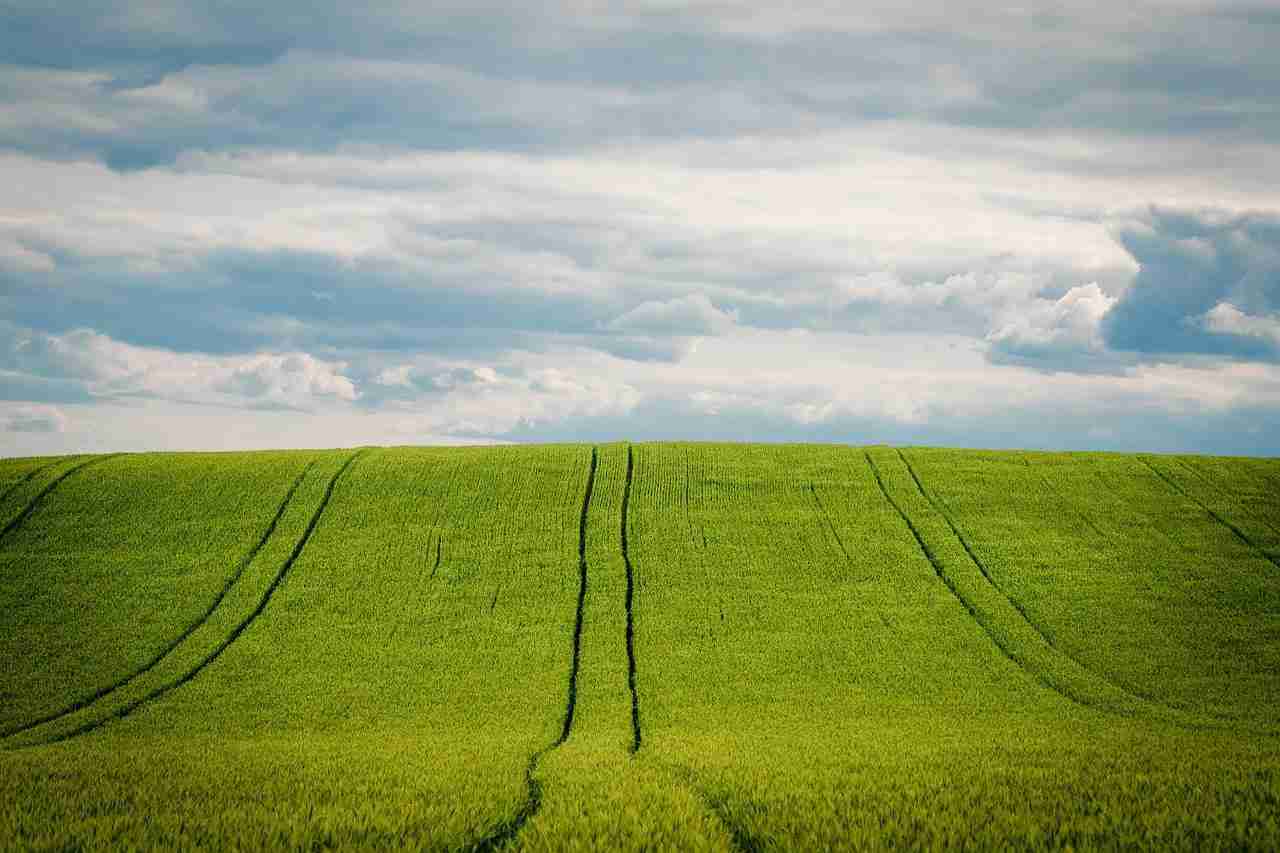
Exploring the Journey of Grains: From Harvest to Processing
Cereal grains embark on a remarkable journey from the sun-soaked fields where they are harvested to the intricate processing plants where they are transformed into products ready for our breakfast tables. Once ripe, grains like wheat, corn, and oats are carefully collected, ensuring minimal damage to preserve their quality. The steps following the harvest are equally vital, as they determine the nutritional value and taste of the final product. Key stages in this journey include:
- Cleaning: Removing chaff, dirt, and debris to ensure purity.
- Drying: Lowering moisture content to prevent spoilage and extend shelf life.
- Milling: Grinding grains into flour or meal, which can vary in texture based on intended use.
Processing doesn’t end with milling; various methods enhance flavors and nutritional profiles. Some products undergo added refining, while others are whole grain, preserving all parts of the kernel. The final journey from silo to packaging often involves numerous quality controls, ensuring that every box or bag reaching consumers represents the best of what nature has provided. This intricate network can be summarized in the following table:
| Stage | Description |
|---|---|
| Harvest | Grains are cut and collected at peak ripeness. |
| Processing | Cleaning, drying, and milling transform raw grains. |
| Packaging | Final products are bagged and shipped to stores. |

Understanding the Science Behind Cereal Production Techniques
Cereal production is an intricate dance of science and art, starting from the moment seeds hit the soil. The selection of varieties plays a vital role, as different types of grains display specific traits that adapt to local climates and desired end products. Factors like soil quality, irrigation techniques, and pest control methods are meticulously managed to maximize yield and minimize loss. After harvesting, the journey of the grain continues through diverse processing methods aimed at extracting nutritional value while enhancing shelf life and taste.
Processing techniques further underline the complexity of cereal production. Techniques such as dry milling and wet milling result in various use-cases for cereal grains. Dry milling is commonly used for producing flour, while wet milling is crucial for extracting starches, proteins, and other valuable components. The following table encapsulates some key processing methods:
| Processing Method | Primary Use |
|---|---|
| Dry Milling | Flour production |
| Wet Milling | Starch and protein extraction |
| Toasting | Flavor enhancement |
| Flaking | Snack cereals |
Each method employs distinct equipment and techniques, including tempering, sieving, and conditioning, ensuring that the resultant product retains desired attributes and meets nutritional standards. The intricacies of cereal processing are a testament to the blending of traditional practices with modern scientific advancements, creating a symphony of textures, tastes, and nutrition that delivers wholesome grains straight to your bowl.
Enhancing Nutrition: Innovations in Cereal Fortification and Ingredients
The evolution of cereal processing has paved the way for groundbreaking innovations in fortification, addressing the critical global challenge of malnutrition. Today’s cereal products are no longer just grains; they are a canvas for nutritional enhancement. Fortification techniques have emerged, incorporating a diverse range of vitamins and minerals to cater to varying dietary needs. Common approaches include:
- Single Nutrient Fortification: Adding specific vitamins or minerals, such as iron or folic acid, to combat deficiencies.
- Multiple Nutrient Fortification: Enriching cereals with a blend of nutrients to offer a comprehensive health benefit.
- Microencapsulation: Protecting sensitive nutrients through coating, ensuring they remain bioavailable during storage and cooking.
Moreover, the choice of ingredients has been revolutionized to include functional elements that not only enhance taste but also boost health outcomes. Whole grains and alternative grains such as quinoa and amaranth are making their way into breakfast bowls, providing additional fiber and protein. Other notable trends include:
- Plant-Based Additions: Incorporating plant extracts and natural flavors to meet the demands of health-conscious consumers.
- Sustainable Practices: Sourcing ingredients from regenerative farms, enhancing nutritional profiles while supporting ecosystem health.
- Probiotic Enrichments: Introducing beneficial bacteria that aid digestion and overall gut health.
| Nutrient Type | Common Sources | Health Benefits |
|---|---|---|
| Iron | Fortified cereals, beans, spinach | Helps prevent anemia and supports energy levels |
| Vitamin D | Fortified milk, mushrooms, fish | Supports bone health and immune function |
| Omega-3 Fatty Acids | Flaxseeds, walnuts, algae | Promotes brain health and cardiovascular function |
Sustainable Practices in Cereal Manufacturing: A Path to the Future
As the demand for cereals continues to rise, manufacturers are increasingly adopting methods that minimize their environmental impact. By integrating sustainable agricultural practices, companies are ensuring that the grains harvested are not only nutritious but also grown in a way that preserves ecosystem integrity. These initiatives include:
- Crop Rotation: Alternating different crops to maintain soil health.
- Organic Farming: Reducing chemical pesticides and fertilizers for a healthier crop.
- Water Conservation: Implementing precise irrigation techniques to conserve water resources.
- Biodiversity: Encouraging diverse ecosystems to promote natural pest control.
Furthermore, the ripple effects of sustainable cereal processing extend beyond the farm. Manufacturers are modernizing their production techniques by utilizing renewable energy and offsetting their carbon footprints. Through embracing circular economy principles, they are reducing waste generated during processing. Key practices include:
- Energy Efficiency: Using advanced machinery that consumes less energy.
- Waste Reduction: Repurposing byproducts for animal feed or developing biodegradable packaging.
- Sourcing Locally: Reducing transportation emissions by sourcing ingredients from nearby farms.
Wrapping Up
As we reach the end of our journey through the intricate world of cereal processing, it becomes clear that what lies behind that seemingly simple bowl of breakfast is a tapestry woven from countless threads of agricultural expertise, technological innovation, and meticulous craftsmanship. From the fertile fields where grains are cultivated to the bustling processing plants where they are transformed, each step is a testament to the dedication of farmers, scientists, and manufacturers alike.
Understanding these processes not only deepens our appreciation for our morning rituals but also empowers us to make more informed choices about the foods we consume. As you pour your next serving of cereal, consider the rich history and meticulous care that has led to that moment; a reminder that in the simplest pleasures often lies a world of complexity.
In a society increasingly focused on sustainability and health, the need for transparency in food processing will only grow. By unraveling these secrets, we can foster a more conscious connection to our food, making our breakfast not just a meal, but a celebration of the journey from farm to bowl. So, the next time you savor those crunchy flakes or nibble on those tasty morsels, remember the myriad of stories behind them and the promise of better practices for generations to come.



