In an age where innovation and sustainability are paramount, the agricultural landscape is undergoing a remarkable transformation. At the forefront of this change is the rise of mini rice mill plants—small-scale, efficient facilities that are reshaping rice processing in both rural and urban settings. These compact mills not only offer a solution to the challenges posed by traditional, large-scale rice milling operations but also empower local farmers and entrepreneurs to take control of their production and distribution processes. As we delve into the world of mini rice mill plants, we will explore their impact on efficiency, economic viability, and community resilience, highlighting how this burgeoning sector is driving forward the promise of a more sustainable future in rice cultivation. Join us as we uncover the stories behind these innovative plants and their pivotal role in the global rice industry.
The Evolution of mini rice mill Technology and Its Impact on Agriculture
The advent of mini rice mill technology marks a significant transformation in the agricultural landscape, particularly in rice production. Traditional rice milling processes were often cumbersome and inefficient, relying on large-scale machinery that required extensive maintenance and investment. With the emergence of mini rice mills, farmers are now equipped with compact, affordable systems that not only reduce operational costs but also enhance the quality of the final product. These small-scale mills have made it possible for local farmers to process their own rice, thus minimizing dependency on large milling facilities and creating a more self-sustaining agricultural community.
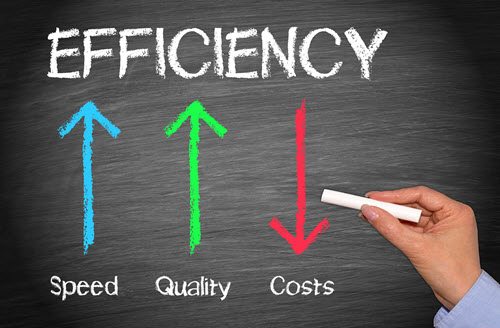
This technological evolution has spurred a variety of enhancements in rice milling efficiency, such as:
- Increased Production Speed: Mini rice mills can process rice at a quicker pace, ensuring timely delivery for farmers.
- Improved Grain Quality: These mills are designed to minimize breakage and maintain higher nutritional value.
- Lower Energy Consumption: Modern designs focus on energy efficiency, reducing the cost to farmers.
- Accessibility: The compact size allows for easy installation in rural settings, boosting local economies.
In order to grasp the impact of this technology on farmers, here’s a brief comparison of traditional vs. mini rice milling based on efficiency metrics:
| Feature | Traditional Mills | Mini Rice Mills |
|---|---|---|
| Initial Investment | High | Low |
| Processing Time (per ton) | 4-6 hours | 1-2 hours |
| Energy Consumption | High | Low |
| Location Requirement | Urban/Rural | Rural Locales |
The mini rice mill’s transformational potential continues to unfold, enabling farmers to maximize their output while fostering growth within their communities. By providing greater access to technology and promoting sustainable practices, these mills are setting the stage for a new era in agricultural efficiency.

Enhancing Production: Cost Benefits and Operational Efficiency of Mini Rice Mills
In the evolving landscape of the agricultural industry, mini rice mills have emerged as robust solutions that balance cost savings with enhanced operational capabilities. These compact facilities are designed to streamline the rice milling process, allowing farmers and small-scale producers to process their harvest right at the source. This proximity reduces transportation costs and preserves the freshness of the product. With significantly lower capital investment compared to larger milling operations, mini rice mills offer affordable options for local entrepreneurs and co-operatives, setting the stage for improved profitability.
The operational efficiency of mini rice mills is further amplified by their ability to adapt to local needs and market demands. They simplify the milling process through user-friendly machinery that requires minimal training, ensuring a quick turnaround time from paddy to polished rice. Additionally, these mills often incorporate energy-efficient technologies, leading to lower operational costs. The integration of modern practices in mini rice mills can lead to:
- Reduction in energy consumption
- Lower labor costs
- Minimized waste generation
- Enhanced product quality
By analyzing the financial implications, we can see that the cost benefits are substantial. A comparative overview of traditional versus mini rice milling operations illustrates the potential savings:
| Criteria | Traditional Mills | Mini Rice Mills |
|---|---|---|
| Initial Investment | High | Low |
| Operating Costs | Moderate | Low |
| Processing Time | Long | Short |
| Energy Consumption | High | Low |
This clear delineation between the two types of mills highlights why mini rice mills are becoming increasingly popular, reflecting a pivotal move towards more localized agricultural solutions that not only bring economic advantages but also bolster community self-sufficiency.
Sustainability Matters: Eco-Friendly Practices in mini rice mill Operations
Incorporating eco-friendly practices into mini rice mill operations is crucial for promoting sustainability in the agricultural sector. These small-scale mills have the potential to implement innovative solutions that minimize their environmental impact while boosting productivity. By employing renewable energy sources, such as solar panels, mini rice mills can significantly reduce their reliance on fossil fuels, which not only cuts operational costs but also contributes to a cleaner environment. Other sustainable practices include:
- Water Conservation: Implementing efficient water management systems to minimize waste.
- Waste Utilization: Converting rice husks and bran into biofuel or organic fertilizers.
- Eco-friendly Packaging: Switching to biodegradable or recyclable materials for packaging rice products.
Furthermore, investing in energy-efficient machinery can enhance both operational efficiency and sustainability. By opting for modern equipment that requires less energy and generates lower emissions, mini rice mills can deliver high-quality products while reducing their carbon footprint. Collaboration with local farmers also fosters sustainable practices, enabling them to adopt more environmentally friendly cultivation methods. The potential for a circular economy in this sector is vast, particularly when mills and farms work together to create a sustainable supply chain.
| Practice | Benefit |
|---|---|
| Renewable Energy Use | Reduced carbon footprint and energy cost savings. |
| Waste Recycling | Minimized waste and additional income through by-products. |
| Water-Saving Techniques | Decreased water usage and improved sustainability. |
Empowering Local Farmers: How mini rice mill Plants Foster Economic Growth
The implementation of mini rice mill plants has revolutionized the agricultural landscape, especially in rural communities. By providing farmers with the necessary tools to process their own crops, these facilities minimize reliance on large, centralized milling operations. As a result, local farmers can enjoy several benefits:
- Increased Profit Margins: By milling their rice, farmers retain greater control over pricing and profits.
- Job Creation: Mini mills not only require skilled operators but also generate employment through support services.
- Product Quality: Farmers can ensure that their produce is milled immediately, preserving its freshness and nutritional value.
Moreover, the ripple effect of these mills on the local economy cannot be understated. With enhanced processing capabilities, local farmers often reinvest their earnings into the community, fostering economic stability. The introduction of mini rice mill plants encourages:
- Local Entrepreneurship: Farmers are inspired to start their milling businesses, creating a self-sustaining economy.
- Innovation: With easier access to processing technologies, farmers are more likely to experiment with rice varieties and cultivation techniques.
- Enhanced Food Security: Processing rice locally reduces dependency on external suppliers and contributes to overall food sovereignty.
In Summary
As we close the chapter on the transformative journey of mini rice mill plants, it’s clear that their rise marks a pivotal shift in the agricultural landscape. These compact powerhouses not only empower local farmers by increasing efficiency and productivity but also play a vital role in fostering sustainable practices that resonate with the needs of modern economies. By bridging the gap between tradition and innovation, mini rice mills offer a glimpse into a future where technology and craftsmanship coexist harmoniously. As we continue to explore the potential of these small-scale enterprises, it becomes evident that their contribution goes beyond mere grain processing—it’s about cultivating resilience, nurturing communities, and ensuring food security for generations to come. In this ever-evolving narrative, the seeds of efficiency have been sown, and the future holds the promise of a thriving agricultural ecosystem rooted in strength, sustainability, and solidarity.