
In an era where agriculture is steadily evolving, the quest for efficiency remains at the forefront of innovations designed to enhance productivity and sustainability. Among the myriad of advancements, mini rice mill combines stand out as a transformative force in the rice milling industry. These compact yet powerful machines not only streamline the processing of rice but also democratize access to modern agricultural technology for smallholder farmers. As global populations grow and demand for staple crops intensifies, unlocking the potential of mini rice mill combines could prove pivotal in ensuring food security and improving livelihoods in rural communities. This article delves into the mechanics, benefits, and implications of these efficient machines, revealing how they are reshaping the landscape of rice production and contributing to a resilient agricultural future.
Harnessing Technological Advancements in Mini Rice Mill Combines
As the agricultural landscape continues to evolve, embracing technological innovations has become pivotal in enhancing productivity and sustainability in rice farming. Mini rice mill combines stand out as a prime example, harnessing cutting-edge technologies to streamline the milling process. With a compact design, these machines integrate multiple functions—from harvesting to milling—in one cohesive unit, drastically reducing the time and labor involved in traditional methods. Farmers are now able to enjoy the benefits of:
- Increased Efficiency: Enhanced processing capabilities to maximize yield.
- Cost Savings: Reduced labor costs and overhead expenses through automation.
- Quality Control: Improved milling precision, resulting in higher quality rice.
Furthermore, advances in precision technology and smart design have led to mini rice mill combines that are not only user-friendly but also eco-conscious. Features such as energy-efficient motors and automated settings allow for optimal performance, minimizing waste and operational costs while catering to the environment. The integration of data analytics into these machines empowers farmers with insights, enabling them to make informed decisions that enhance crop management and production strategies. The following table highlights some key features and benefits of modern mini rice mill combines:
| Feature | Benefit |
|---|---|
| Compact Design | Easy mobility and setup in small farms |
| Automated Processes | Reduces manual labor and human error |
| Multi-functionality | Combines several operations into one machine |
| Real-time Monitoring | Allows for adjustments to optimize performance |
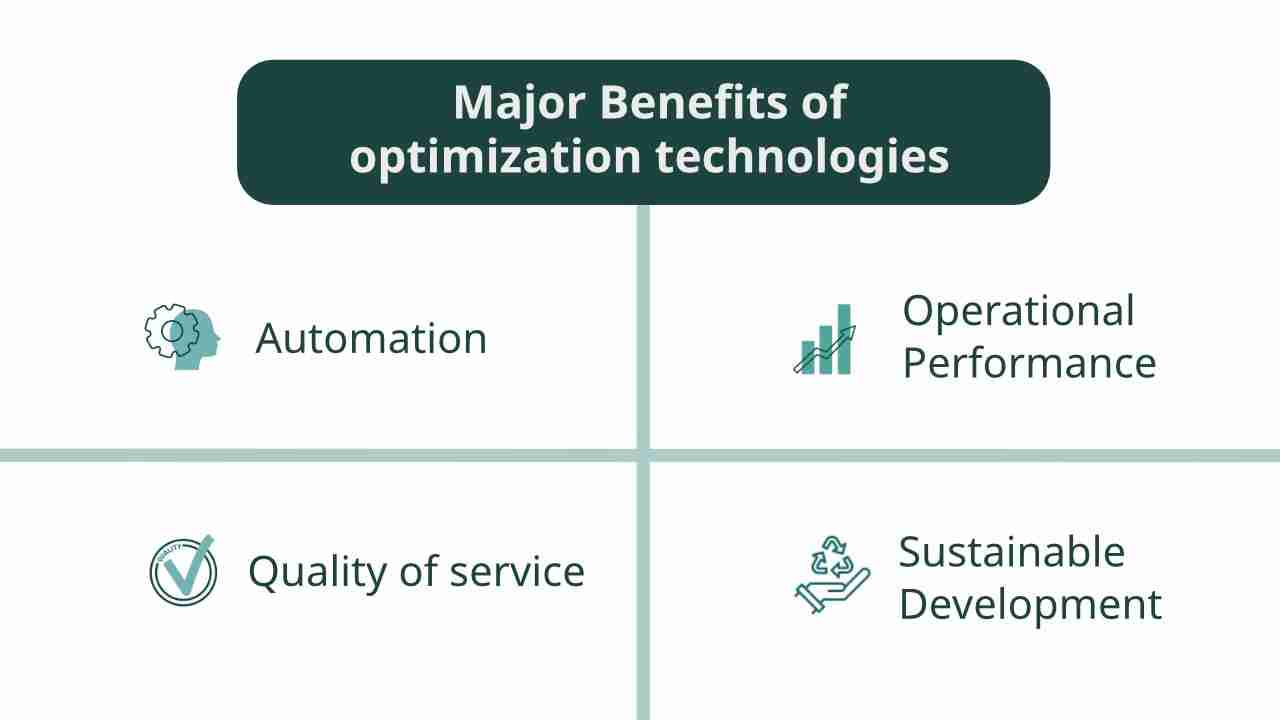
Optimizing Rice Processing: Benefits of Miniature Solutions
The rise of miniature rice mill combines has revolutionized the agricultural landscape, providing farmers with opportunities to enhance their productivity and profitability. These compact machines combine various stages of the rice processing cycle—milling, husking, and polishing—into one seamless operation. Key benefits of adopting these advanced solutions include:
- Increased Efficiency: With all processes integrated, farmers save time and reduce labor costs.
- Space Saving: Compact design allows for easy placement in small land areas.
- Improved Quality: Modern technology ensures higher quality output with less damage to grains.
- Cost Effectiveness: Lower initial investment and reduced operational costs over time.
Moreover, the scalability of miniature rice mill combines presents a unique advantage for smallholder farmers who may lack the capital for larger machinery. Rather than being beholden to traditional processing methods, these farmers can now explore options that allow them to maintain greater control over their production. The following table summarizes the considerations for selecting the right miniature solution:
| Feature | Importance |
|---|---|
| Capacity | Matches farm production levels for optimal output. |
| Energy Efficiency | Minimizes electricity and fuel consumption. |
| Maintenance | Offers easy upkeep to ensure longevity. |
| Versatility | Can process various rice types for diverse markets. |
Sustainable Practices: The Environmental Impact of Mini Rice Mills
As the world increasingly embraces sustainable practices, mini rice mills emerge as a pivotal technology in rice processing. These compact mills are not just efficient but also significantly reduce the environmental burden associated with traditional milling operations. By minimizing energy consumption and utilizing fewer resources, they contribute to lower carbon footprints and foster responsible farming practices. The integration of solar-powered and energy-efficient systems further enhances their sustainability profile, making them a viable option for small to medium-scale farmers aiming to enhance productivity while being conscientious stewards of the environment.
Moreover, mini rice mills enable localized processing, effectively bridging the gap between production and consumption. By processing rice closer to where it is grown, they reduce the need for extensive transportation, which often leads to increased greenhouse gas emissions. The benefits extend beyond just the immediate environment; these mills also support local economies by creating jobs and empowering farmers through greater control over the milling process. These systems can also produce less waste, utilizing by-products for animal feed or organic fertilizers, thereby fostering a circular economy within rural agricultural communities.
Maximizing Productivity: Tips for Integrating Mini Rice Mill Combines
Integrating mini rice mill combines into your agricultural operations can yield significant benefits, streamlining processes and enhancing productivity. To achieve optimal efficiency, consider the following strategies:
- Regular Maintenance: Ensure all machinery is well-maintained to prevent breakdowns and reduce downtime. Schedule routine checks and cleanings for your mini rice mill combines.
- Training Staff: Invest time in training your staff on the best practices for using the equipment effectively. Well-informed operators can drastically reduce errors and increase output.
- Optimal Schedules: Create a harvesting schedule that maximizes the use of sunlight and weather conditions. This will help in minimizing delays and maximizing output throughout the season.
Furthermore, understanding the technology behind mini rice mill combines can lead to smarter decisions and customization. Utilize analytics to track performance metrics that directly correlate with productivity:
| Performance Metric | Ideal Value | Action Required |
|---|---|---|
| Harvesting Rate | 2 tons/hour | Monitor and adjust settings as necessary |
| Downtime | Less than 5% | Schedule regular maintenance checks |
| Grain Recovery | 95% or higher | Optimize combine settings for grain type |
By actively monitoring these key performance indicators and making data-driven adjustments, farmers can significantly boost the overall efficiency of their operations, ultimately leading to improved productivity and profitability.
Closing Remarks
as we navigate the evolving landscape of agriculture, the role of mini rice mill combines becomes ever more pivotal. These innovative machines not only streamline the rice processing workflow but also empower farmers with greater control over their production. By unlocking efficiency, they embody a significant step toward sustainable practices that benefit both the economy and the environment. As we embrace technology that enhances productivity, it’s essential to remember that each advancement carries the potential to transform communities, improve livelihoods, and reshape our relationship with food. The power of mini rice mill combines serves as a reminder that in the quest for efficiency, we are not just optimizing operations; we are cultivating a brighter, more sustainable future for all.



