
From Paddy to Plate: The Journey of Rice Processing Explained
In the vast tapestry of global cuisine, few ingredients hold as prominent a place as rice—a humble grain that has nourished civilizations for thousands of years. From the lush, green paddies where it begins its life to the aromatic dishes that grace our tables, the journey of rice is a fascinating blend of nature’s bounty and human ingenuity. In this article, we delve into the intricate process of rice processing, unraveling the stages that transform paddy into the beloved staple that accompanies meals around the world. Join us as we explore the science, the tradition, and the innovation behind every grain, shedding light on the unseen journey that makes rice not just a food, but a cornerstone of cultures worldwide.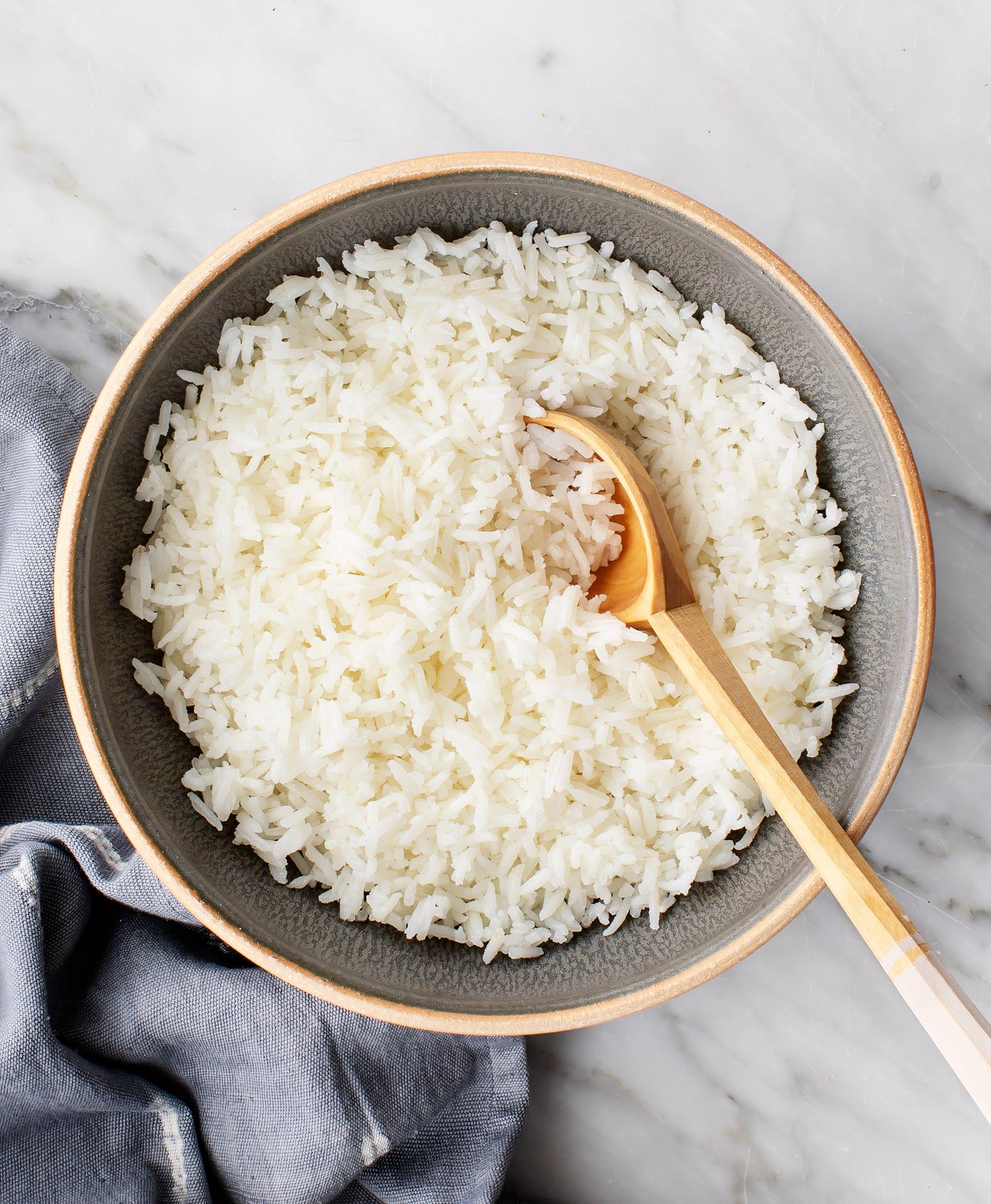
The Path of Rice: Understanding Cultivation and Harvesting Techniques
The cycle of rice cultivation is a harmonious dance of nature and skill. Farmers begin by selecting varieties suited to their local climate, which can range from the popular Indica and Japonica types. Once chosen, the land is prepared through tilling, ensuring that the soil’s nutrients are revived and ready to support growth. The process then unfolds in several key stages:
- Sowing: Seeds are often soaked to promote germination, followed by direct sowing in flooded fields or transplanting young seedlings to maintain optimal moisture.
- Water Management: Proper irrigation is crucial, with fields typically kept flooded to suppress weeds and promote healthy growth.
- Pest and Disease Control: Farmers monitor crops closely, utilizing organic or chemical measures to protect against threats.
- Harvesting: This is often done by hand or with machines, depending on the scale of the farm, and is ideally timed for when grains are firm and golden.
After the harvest, the real transformation of rice begins. The harvested grains undergo a detailed process to ensure they are ready for consumption. This involves multiple steps: from drying to reduce moisture content to milling, which removes the inedible husk while preserving the nutritious bran layer. Consider the following primary processing stages that rice grains go through:
| Processing Stage | Description |
|---|---|
| Drying | The grains are carefully dried to prevent spoilage and loss of quality. |
| Milling | A process where brown rice is transformed into white rice, removing the outer layers. |
| Packing | Grains are packaged into consumer-friendly formats, often with thoughtful branding. |

Transforming Grain: The Science of Milling and Processing Rice
The journey of rice begins in the lush paddy fields, where farmers nurture the grains until they reach harvest time. Once harvested, the rice undergoes a transformation through a series of meticulous milling and processing steps. Initially, paddy rice, with its inedible husk, is hulled to produce brown rice. This process not only removes the outer husk but also retains most of the nutrients present in the grain, making it a healthier option compared to its white counterpart. The journey continues as brown rice is polished to remove the bran layer, resulting in white rice. During this milling phase, the grains are polished to enhance their appearance and shelf-life, though this process does diminish some nutritional value.
Throughout these stages, science plays a crucial role in ensuring that the grains are milled efficiently and safely. Each grain’s texture and consistency are carefully monitored to meet quality standards, which can affect cooking times and flavors. Key factors that influence the milling process include:
- Moisture content: The ideal moisture level is essential for effective milling.
- Temperature control: Excess heat can damage the grains and alter taste.
- Equipment precision: Advanced milling machines designed for accuracy and efficiency.
Additionally, processing techniques like parboiling and fortification enhance the nutritional value of rice, ensuring that this staple food remains not only a source of sustenance but also a vessel of health benefits. Below is a simplified overview of common rice processing techniques:
| Processing Technique | Description | Benefits |
|---|---|---|
| Hulling | Removal of the husk | Converts paddy to brown rice |
| Polishing | Smoothing of the grain surface | Enhances appearance, increases shelf-life |
| Parboiling | Steaming before hulling | Improves nutrient retention |
| Fortification | Adding vitamins and minerals | Enhances nutritional profile |
Nutritional Insights: Exploring the Health Benefits of Properly Processed Rice
Properly processed rice offers a wealth of nutritional benefits that contribute to a balanced diet. Unlike its less refined counterparts, well-processed rice retains essential vitamins and minerals that are critical for overall health. For instance, brown rice, which undergoes minimal polishing, is a great source of dietary fiber, aiding digestion and promoting satiety. Additionally, it contains valuable nutrients such as magnesium, manganese, and B vitamins. The gentle processing methods used for whole grains prevent the destruction of these nutrients, making them more bioavailable and beneficial for the body.
The table below illustrates the key nutrients found in various types of rice and their respective health benefits:
| Type of Rice | Nutrients | Health Benefits |
|---|---|---|
| Brown Rice | Fiber, Magnesium, B Vitamins | Enhances digestion, supports metabolism |
| Wild Rice | Protein, Antioxidants | Boosts immune health, fights inflammation |
| White Rice | Folic Acid, Iron (when enriched) | Supports red blood cell production, pregnancy health |
Moreover, the magic of rice processing isn’t just confined to nutrient preservation; it also extends to enhancing the flavor profile and culinary versatility. Techniques like soaking, steaming, and fermenting can not only make rice easier to digest but can also introduce probiotic benefits which promote gut health. As a staple in various cuisines around the world, processed rice can be creatively incorporated into a myriad of dishes, ensuring that it remains a heart-healthy, adaptable food choice. This journey from paddy to plate enriches the nutritional profile of rice while catering to different dietary preferences.
From Kitchen to Table: Cooking Methods and Culinary Uses of Rice
Rice, a staple in many cultures, showcases its versatility through the myriad of cooking methods that elevate its culinary potential. Steaming is perhaps the most traditional method, allowing rice to absorb water gradually, resulting in perfectly fluffy grains. Boiling offers a straightforward approach, ideal for dishes like risottos or pilafs where moisture and flavor meld together beautifully. Other techniques, such as frying, introduce a delightful crunch to dishes like fried rice or arancini, while baking can transform rice into delectable casseroles or even dessert treats like rice pudding.
Each rice variety boasts unique properties that influence its culinary applications. For instance, basmati rice, with its long grains and fragrant aroma, is cherished in Indian and Middle Eastern dishes, providing a fragrant base for curries. On the other hand, sushi rice is sticky and short-grained, essential for creating the perfect sushi rolls. Understanding these differences can be crucial for chefs and home cooks alike. Below is a quick comparison of rice varieties and their ideal cooking methods:
| Rice Variety | Cooking Method | Culinary Use |
|---|---|---|
| Basmati | Steaming | Curry accompaniments |
| Arborio | Boiling | Risotto |
| Jasmine | Boiling/Steaming | Thai dishes & stir-fries |
| Sushi | Steaming | Sushi rolls |
Closing Remarks
As we draw the curtain on our exploration of rice processing, it becomes evident that the journey from paddy to plate is not merely a tale of agricultural prowess but a remarkable narrative woven through culture and tradition. Each step, from harvesting the golden grains in the fields to the meticulous processes that transform them into the fluffy rice served at our tables, showcases an intricate dance of science and sustainability.
As consumers, understanding this journey enriches our appreciation for one of the world’s most vital foods. It invites us to reflect on our choices, promote sustainable practices, and connect with the farmers and artisans who work tirelessly to deliver this staple to our plates.
Next time you savor a steaming bowl of rice, remember the journey it undertook to arrive there—a journey steeped in history, innovation, and the unwavering spirit of those who cultivate this incredible grain. It is in this connection that we find a deeper respect for our food, honoring not just the ingredients but the stories that nourish us, bridging cultures and cuisines across the globe.



