
In the lush landscapes where sunlight bathes verdant fields, the journey of rice begins—a journey that transforms humble grains into culinary masterpieces. “From Grain to Gourmet: The Art of Paddy Processing” invites readers to explore the intricate processes that elevate simple paddy into a versatile staple cherished around the world. From the moment the paddy is harvested, it embarks on a remarkable transformation, involving meticulous steps that honor tradition and embrace innovation. This article delves into the essential stages of paddy processing, shedding light on the artisans and technologies that play a crucial role in this age-old craft. Join us as we uncover the journey from golden fields to gourmet delights, celebrating the rich heritage and intricate science behind one of humanity’s most beloved foods.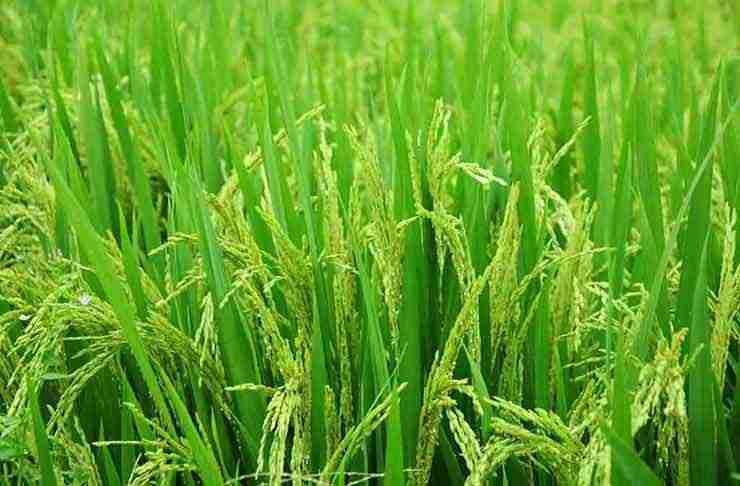
Exploring Paddy Harvesting Methods for Optimal Quality
Paddy harvesting is a delicate dance between tradition and technology, each method offering unique advantages that contribute to the final quality of rice. Manual harvesting, while labor-intensive, allows for careful selection of ripe grains, reducing the risk of damaged produce. Farmers often utilize traditional tools like sickles, celebrating their heritage while ensuring that grains are harvested at their ideal moisture content. In contrast, mechanized harvesting has taken the agricultural scene by storm. This method enhances efficiency and allows large fields to be harvested in record time, although it may require precise calibration to prevent loss of quality due to aggressive handling.
The choice of harvesting method can significantly influence the rice’s characteristics later in the processing phase. Factors like moisture control, grain handling practices, and time taken from field to storage play critical roles. Below is a summary of key harvesting methods and their implications on quality:
| Harvesting Method | Quality Impact | Efficiency |
|---|---|---|
| Manual Harvesting | High - selective with minimal damage | Low – time-consuming |
| Mechanical Harvesting | Medium - potential for grain damage | High – faster, covers more area |
| Combine Harvesting | Variable – efficiency vs. quality trade-off | Very High – best for large-scale production |
Ultimately, the journey from grain to gourmet hinges upon these foundational harvesting choices. By weighing the benefits and challenges of each method, farmers can tailor their approach to maximize yield without compromising on the coveted quality that elevates rice from a staple to a delicacy. It’s within this artisanal approach to harvesting that the true essence of gourmet rice is cultivated, linking generations of tradition with modern agricultural practices.

Transforming Grains: Essential Processing Techniques for Culinary Excellence
The journey from raw paddy to a culinary masterpiece begins with several essential processing techniques that unlock the full potential of these grains. To achieve the right texture and flavor, milling is a crucial step, where the outer husk is removed to reveal the precious white grains within. This process can be fine-tuned through various methods, such as hulling, which removes only the hull, or polishing, which enhances the rice’s appearance while affecting its nutritional value. After milling, the grains undergo steaming or parboiling, which not only alters the starch structure for better cooking performance but also fortifies the grains with vitamins and minerals that might otherwise be lost during polishing.
Once the grains are milled and prepped, their storage and aging play a vital role in flavor development. Proper storage techniques, such as maintaining a cool, dry environment and using sealed containers, will preserve the quality and freshness. Additionally, letting the rice age for a specific period can deepen its flavor profile; this is where trained palates identify subtle notes that elevate dishes from mere sustenance to culinary art. The process doesn’t end here; cooking techniques such as soaking and toasting before preparation can enhance texture and taste, transforming simple steamed rice into a delightful base for a gourmet meal.
| Processing Technique | Main Benefit |
|---|---|
| Hulling | Removes the outer husk, exposing the grain |
| Polishing | Enhances appearance; impacts nutritional value |
| Steaming | Improves texture, fortifies with vitamins |
| Soaking | Shortens cooking time; improves texture |
| Toasting | Adds depth of flavor; enhances aroma |
Nurturing Flavor: The Role of Milling and Polishing in Rice Varieties
Each rice variety holds its unique potential, and the processes of milling and polishing serve as transformative stages that unlock this latent flavor. During milling, the outer husk is removed, exposing the white or brown kernel within. Depending on the desired outcome, this process can be finely tuned, yielding different levels of brown or white rice. The essence of the grain is revealed at this stage, as the natural sweetness and nutty undertones become more prominent. The characteristics of the rice are influenced by factors such as:
- Grain Type: Long, medium, or short grain varieties each offer distinct textures.
- Moisture Content: The ideal moisture level can enhance or mute flavors.
- Geographic Origin: Soil composition and climate contribute to flavor profiles.
After milling, the rice often undergoes polishing, a process that refines its appearance and mouthfeel. Polishing not only enhances the visual appeal by giving the rice a gleaming finish but also influences its culinary uses and absorption properties. The delicate balance of removing bran and polishing the grain leads to a final product that showcases clarity in taste. The effects of polishing can be summarized as follows:
| Polishing Effect | Flavor Profile | Usage |
|---|---|---|
| Light Polish | Retains some nutty flavors | Ideal for pilafs and dishes needing a gourmet touch |
| Medium Polish | Balanced, slightly nutty | Great for stir-fry and fried rice |
| Heavy Polish | Neutral, clean taste | Commonly used in sushi and delicate dishes |
Sustainable Practices in Paddy Production: Balancing Quality and Environment
In the journey from field to plate, the integration of eco-friendly techniques in rice cultivation has become essential in ensuring both product quality and environmental sustainability. Farmers are increasingly adopting practices such as crop rotation, which enhances soil fertility and helps control pests naturally. By alternating rice with legumes or other crops, producers can increase biodiversity in the fields while minimizing reliance on chemical fertilizers. Another important practice is direct seeding of paddy, which reduces the water footprint by allowing seeds to germinate without flooding fields. These methods not only contribute to healthier ecosystems but also yield higher quality rice that meets gourmet standards.
Moreover, the management of water resources is paramount in modern paddy cultivation. Techniques like alternate wetting and drying (AWD) allow farmers to optimize water use without sacrificing crop health. By monitoring soil moisture levels and determining ideal irrigation schedules, farmers can reduce water wastage while maintaining crop resilience. Further enhancing this balance are initiatives such as integrated pest management (IPM), which employs natural predators to control pest populations, thus minimizing chemical pesticide usage. As paddy production continues to evolve, these innovative and sustainable practices pave the way for creating not only high-quality rice but also a healthier planet.
The Conclusion
As we conclude our journey from grain to gourmet, we witness the remarkable transformation that paddy undergoes on its path to becoming a culinary delight. The meticulous process—rooted in tradition yet enhanced by innovation—reveals not just the labor and expertise of farmers, millers, and chefs, but also the intricate relationship between nature and nourishment. Each step, from soaking and steaming to milling and flavoring, is an art form that breathes life into the humble grain, enabling it to play a starring role in our kitchens and cuisines.
In appreciating the journey of paddy, we gain a deeper understanding of the rich tapestry of flavors and textures that rice can offer. It’s a testament to the dedication and creativity of those who cultivate it and a reminder of the craftsmanship involved in turning simplicity into sophistication. As we savor our next dish, let us honor this journey and celebrate the artistry that brings grains to our tables, inviting us to relish not just the taste, but the story behind each sumptuous bite. Whether enjoyed in a comforting bowl of risotto or an elegant sushi roll, the grain’s evolution is a delicious reminder of the beauty found in every grain of rice.



