
In the bustling world of agriculture and industry, one often-overlooked player reigns supreme: the humble rice milling unit. As the unsung hero of grain processing, these machines play a crucial role in turning raw rice into the nourishing staple we all know and love. Join us as we delve into the captivating realm of rice milling units, exploring their intricate mechanisms, indispensable functions, and enduring impact on the global food supply chain. Welcome to “The Grain Game: Exploring the World of Rice Milling Units.”
Understanding the Basics of Rice Milling Units
Rice milling units are fascinating machines that play a crucial role in the process of turning rough rice into polished grains ready for consumption. These units are equipped with a variety of components and mechanisms that work together to remove impurities, husk, bran, and germ from the rice kernels. Understanding the basics of how these units operate is essential for anyone involved in the rice industry.
One of the key components of a rice milling unit is the huller, which is responsible for removing the outer husk from the rice kernels. The huller operates by applying pressure and friction to break apart the husk, leaving the inner white rice exposed. Other components, such as the whitener and polisher, work to further refine and polish the grains, giving them their characteristic bright and shiny appearance. By learning about the functions of each component in a rice milling unit, one can gain a deeper appreciation for the intricate process that transforms raw rice into the staple food enjoyed by millions around the world.
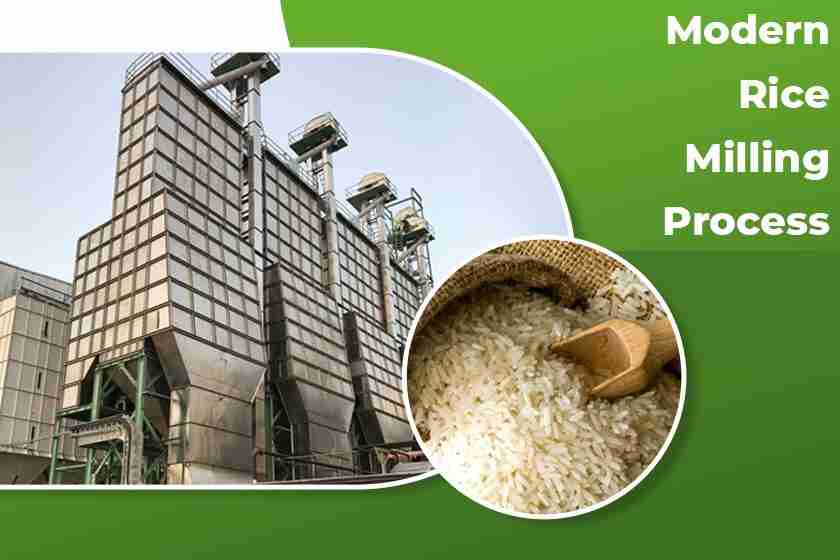
Key Components of a Successful Rice Milling Operation
Rice milling operations require a combination of key components to run successfully and efficiently. One of the crucial elements is having reliable machinery that can handle the processing of rice grains effectively. Investing in high-quality milling equipment such as rice hullers, whitening machines, and polishers can significantly impact the overall productivity and quality of the final product.
Another essential factor in a successful rice milling operation is skilled and knowledgeable personnel. Having a team of experienced technicians and operators who understand the intricacies of the milling process can help prevent downtime, optimize production, and ensure consistent output quality. Proper training and ongoing education for employees are vital to keep up with industry advancements and best practices in rice milling.

Optimizing Efficiency and Quality in Rice Milling
When it comes to rice milling, efficiency and quality are key factors that can make or break a business. With the right tools and techniques, rice millers can maximize their output while maintaining high standards of quality. One way to optimize efficiency is by investing in modern milling units that are equipped with advanced technology for faster processing. These units can help streamline the entire milling process, from cleaning and hulling to polishing and packaging.
Quality is just as important as efficiency in rice milling. To ensure the best quality product, millers need to pay attention to factors such as moisture content, milling degree, and grain size. By carefully monitoring these variables and making adjustments as needed, millers can produce rice that meets the highest industry standards. Additionally, investing in quality control measures such as color sorters and de-stoners can help eliminate impurities and ensure a consistent product for consumers.
Innovative Technologies Revolutionizing the Rice Milling Industry
Rice milling has been a traditional practice for centuries, but with the rise of innovative technologies, the industry is undergoing a revolution. New advancements are changing the way rice is processed, making the process more efficient and sustainable. One of the most exciting developments is the introduction of automated milling units that can handle large quantities of rice with minimal human intervention.
Another game-changing technology is precision milling equipment, which ensures that each grain of rice is processed to perfection. This technology not only improves the quality of the final product but also reduces wastage. Additionally, smart sensors are being used to monitor the milling process in real-time, allowing for adjustments to be made instantly to optimize efficiency. With these new technologies, the rice milling industry is poised to meet the growing demand for high-quality rice in a sustainable way.
To Wrap It Up
As we conclude our exploration of the intricate world of rice milling units, it has become evident that the grain game is one filled with complexity and innovation. From the traditional methods of hand-pounding to the cutting-edge technology of modern machinery, the journey of rice from paddy to plate is truly a fascinating one. As we continue to look towards the future of rice production, it is important to appreciate the artistry and science behind this essential staple crop. So, the next time you enjoy a bowl of steaming rice, remember the intricate process it underwent to reach your table. The grain game is a never-ending journey of discovery and we look forward to seeing what the future holds for this humble yet indispensable grain.



