
In the heart of agricultural landscapes, where emerald fields sway gently under the sun, the journey of rice—from paddy to plate—unfolds. At the core of this transformative process lies the bustling paddy processing factory, a pivotal hub that bridges the gap between nature’s bounty and the culinary traditions cherished across cultures. These factories, often overlooked, are intricate ecosystems of innovation and tradition, where cutting-edge technology meets age-old practices to refine and prepare one of the world’s staple foods. As we delve into the realm of paddy processing, we will explore how these facilities not only ensure the quality and safety of rice but also enhance efficiency and sustainability in an ever-evolving agricultural landscape. Join us as we unpack the mechanisms of transformation that lie within these factories, illuminating their vital role in feeding a growing global population.
Embracing Modern Technology in Paddy Processing
In the ever-evolving landscape of agriculture, the integration of modern technology in paddy processing is nothing short of revolutionary. Factories are now increasingly featuring automated systems, which drastically improve efficiency and accuracy. These advancements include:
- AI-powered Sorting: Utilizing machine learning algorithms to ensure that only the highest quality grains make it to market.
- IoT Sensors: Monitoring moisture levels and providing real-time data to eliminate spoilage and optimize storage conditions.
- Robotic Process Automation: Streamlining repetitive tasks such as bagging and weighing, thus reducing labor costs and human error.
Moreover, the incorporation of data analytics in paddy processing allows for smarter decision-making and enhanced productivity. A modern paddy processing factory harnesses the power of big data to track production metrics and forecast demands. This data can be summarized in a simple yet informative table:
| Metric | Value |
|---|---|
| Daily Processing Capacity | 100 tons |
| Average Downtime | 2 hours/week |
| Grain Sorting Accuracy | 99.5% |
This strategic use of technology not only increases output but also places sustainability at the forefront, ensuring that resources are used efficiently throughout the processing chain. With the shift towards a tech-enhanced environment, the future of paddy processing looks more promising than ever.
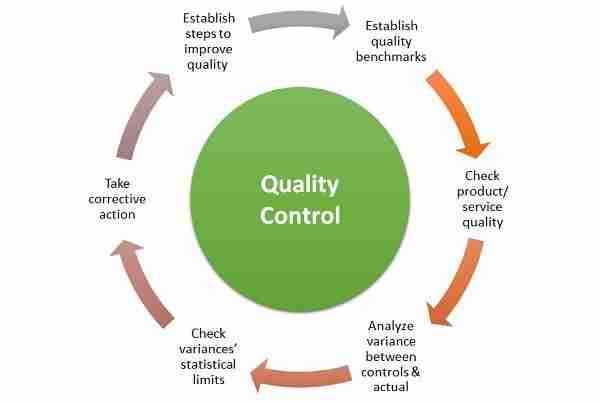
Ensuring Quality Control for Optimal Grain Output
To achieve the highest quality in grain output, it is essential for paddy processing factories to implement a rigorous quality control system. This involves a multi-faceted approach that begins with the careful selection of raw materials. Producers need to ensure that only the best quality paddy is sourced, as impurities and inferior grains can compromise the entire processing workflow. Key components of a successful quality control strategy include:
- Regular Sampling: Systematic collection of paddy samples at various stages helps in early detection of quality issues.
- Moisture Control: Maintaining optimal moisture levels is critical to prevent spoilage and ensure proper storage.
- Cleaning and Hulling: Advanced cleaning techniques eliminate debris and improve grain purity, while efficient hulling maximizes yield.
- Grading Systems: Implementing standardized grading ensures uniformity and helps meet market demands.
In addition to these initial measures, ongoing monitoring throughout the processing stages is crucial. Factories can utilize technology, such as automated systems, to streamline operations and enhance precision. This includes:
| Process Stage | Quality Measures |
|---|---|
| Pre-processing | Sorting, removing stones and impurities |
| Hulling | Weight and moisture check after hulling |
| Milling | Temperature control and fine-tuning settings |
| Post-processing | Taste tests and final checks for quality assurance |
These integrated quality control measures help ensure that the paddy processing factory can produce a superior end product, ultimately meeting consumer expectations and enhancing market competitiveness.
Sustainability Practices for Environmentally Friendly Operations
Implementing sustainable initiatives is essential for modern paddy processing factories aiming to lessen their environmental impact while enhancing operational efficiency. By adopting energy-efficient machinery and optimizing production workflows, these facilities can significantly reduce their carbon footprint. Energy recovery systems can harness heat from processing equipment, converting it into useful energy for other operations. Likewise, integrating solar panels on facility rooftops provides renewable energy, thereby decreasing dependence on fossil fuels.
Water conservation is another cornerstone of eco-friendly practices in paddy processing. Factories can implement closed-loop water systems to recycle water used in washing and soaking paddy, ensuring minimal wastage. Further, utilizing rainwater harvesting systems can augment water supplies and lower reliance on municipal sources. To monitor and optimize these initiatives, paddy processing plants can track metrics through digital dashboards:
| Practice | Benefits |
|---|---|
| Energy Recovery Systems | Reduces energy costs and lowers emissions |
| Solar Energy Integration | Decreases fossil fuel reliance and operational costs |
| Closed-loop Water Systems | Minimizes water waste and conserves resources |
| Rainwater Harvesting | Enhances water security and sustainability |
Enhancing Workforce Skills for Efficient Production
Investing in the development of human capital is essential for the smooth operation of paddy processing factories. One effective strategy is the implementation of targeted training programs that hone specific technical and operational skills. These programs can be designed to cover various aspects, including:
- Machine Operation: Training operators on the latest machinery enhances productivity and minimizes downtime.
- Quality Control: Equipping team members with the skills to detect and rectify quality issues ensures the highest standards in the final product.
- Safety Protocols: Educating staff on workplace safety not only protects employees but also safeguards the equipment and processes.
Additionally, fostering a culture of continuous learning can significantly elevate the overall skill set of the workforce. Regular workshops and seminars can introduce latest technologies and best practices in paddy processing. Not only do these initiatives keep employees engaged, but they also contribute to a more adaptable and innovative production environment. Below is a table showcasing potential workshops and their focus areas:
| Workshop Title | Focus Area |
|---|---|
| Advanced Machinery Techniques | Enhancing operational efficiency |
| Quality Assurance Practices | Upholding product standards |
| Safety and Compliance Training | Workplace safety optimization |
| Sustainable Practices in Processing | Minimizing environmental impact |
To Conclude
As we draw the curtains on our exploration of paddy processing factories, it becomes evident that these hubs of transformation are much more than just places of production. They stand as vital links in the agricultural supply chain, bridging the gap between the farmer’s hard work and the consumer’s plate. The intricate processes employed in these facilities not only enhance the quality of the harvest but also ensure sustainability and efficiency in rice production.
As the world continues to evolve, so too must our understanding and appreciation for the intricate systems that feed our global population. The journey from field to factory, and finally to our homes, is a testament to human ingenuity and the age-old relationship we share with the land. By shining a light on the heart of paddy processing, we can cultivate a deeper awareness of the food we consume, the resources we use, and the labor that goes into bringing each grain to life.
In embracing the stories woven into each harvest, may we foster a greater respect for the work done behind the scenes. It’s a reminder that every meal is a reflection of countless journeys, and through continued innovation and dedication, the future of paddy processing holds the promise of thriving communities and sustainable farming practices. With every bite, let us honor the transformations that make it all possible.



