
In an era where innovation meets tradition, the agricultural sector is undergoing a transformation as dynamic as the grains it cultivates. At the forefront of this revolution is the combined rice mill machine, a groundbreaking solution that harmonizes efficiency with versatility. This ingenious piece of machinery is not merely a tool; it is a game-changer for farmers and grain processors alike, poised to redefine how we approach rice milling. By integrating multiple processes—hulling, milling, and polishing—into a single unit, this technology not only streamlines production but also enhances the quality of the final product. As we delve into the intricacies of the combined rice mill machine, we explore its significance in modern agriculture, its impact on sustainability, and how it’s reshaping the future of grain processing in a world that craves efficiency without compromising quality. Join us on this journey as we uncover the myriad ways this versatile machine is revolutionizing the grains industry.
Exploring the Multifunctionality of Combined Rice Mill Machines
The combined rice mill machine has emerged as a game-changer in modern grain processing, effectively merging multiple functions into one streamlined unit. This innovation significantly boosts productivity while minimizing operational costs. With the ability to perform tasks such as dehusking, whitening, and polishing, these machines cater to diverse production needs, reducing the time and labor associated with traditional milling practices. The integration of advanced technology ensures consistency in quality, providing grain processors and farmers with a reliable solution. Key features of this multifunctional machine include:
- Compact Design: Space-saving structure ideal for small to medium-scale operations.
- Versatile Settings: Adjustable parameters for different rice varieties, ensuring optimal results.
- Energy Efficiency: Reduced power consumption compared to separate milling units.
- Automated Operation: User-friendly interfaces that simplify the milling process.
The versatility of these machines is further exemplified in their adaptability to various grain types beyond just rice. While primarily designed for milling rice, many models can process other grains, increasing their utility on farms and in processing facilities. This adaptability is enhanced by the availability of interchangeable parts, allowing users to switch functionalities based on their specific needs. A comparative table below highlights some of the key outcomes achieved through the use of combined rice mill machines versus traditional milling methods:
| Aspect | Combined Rice Mill | Traditional Milling |
|---|---|---|
| Time Efficiency | High | Moderate |
| Cost Savings | Significant | Minimal |
| Quality Control | Consistent | Varies |
| Versatility | High | Low |
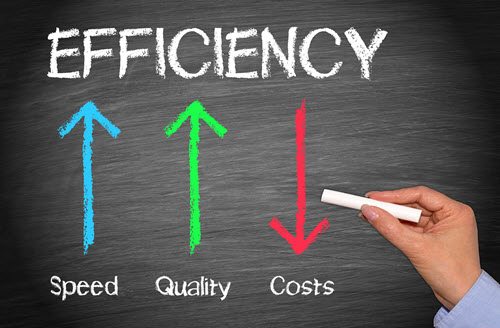
Enhancing Efficiency: How Technology Transforms Grain Processing
The advancement of agricultural technology has paved the way for a remarkable transformation in the grain processing sector. One standout innovation is the combined rice mill machine, which integrates multiple functions into a single, efficient unit. This not only enhances productivity but also streamlines operations by minimizing the need for multiple pieces of equipment. The versatility of these machines allows farmers and processors to carry out essential tasks such as husking, milling, and polishing in one seamless workflow. As a result, grain producers can achieve better quality outputs while significantly reducing labor and operational costs. The ability to adjust settings for different rice varieties further exemplifies how flexible and user-friendly these machines have become, meeting diverse market needs with ease.
In addition to improved productivity, the incorporation of smart technology into grain processing has revolutionized quality control and operational oversight. Many modern combined rice mill machines are equipped with sensors and digital displays that monitor crucial parameters, ensuring that the milling process is consistent and tailored for optimal results. By employing data analytics, users can predict maintenance needs and troubleshoot issues before they escalate, thereby avoiding costly downtimes. Moreover, the enhanced efficiency achieved through automation means that smaller producers can now compete in a market that increasingly demands high standards. With the ability to process greater volumes at a faster rate, stakeholders can focus more on market expansion and profitability.
| Feature | Benefits |
|---|---|
| Integration of Multiple Functions | Reduces equipment costs and space requirements |
| Smart Technology | Enhances precision and consistency in processing |
| Data Analytics | Predicts maintenance needs, preventing downtimes |
| Custom Settings | Adapts to various rice varieties for optimal results |
Nutritional Benefits of Using Advanced Rice Milling Techniques
The implementation of advanced rice milling techniques significantly enhances the nutritional profile of rice, transforming it from a mere staple into a powerhouse of health benefits. By utilizing state-of-the-art milling processes, essential nutrients are preserved, ensuring that the final product is more than just a source of carbohydrates. Enhanced milling can lead to higher retention rates of key vitamins and minerals such as:
- Vitamin B1 (Thiamine): Vital for energy metabolism and nervous system health.
- Vitamin B3 (Niacin): Supports skin health and cellular function.
- Iron: Crucial for oxygen transport in the blood and preventing anemia.
- Magnesium: Essential for over 300 biochemical reactions in the body.
Moreover, advanced milling techniques allow for better removal of impurities while maintaining high levels of bran and germ components, which are rich in dietary fibers beneficial for digestive health. The enhanced rice not only aids in providing a fuller, more satisfying meal but also contributes to:
| Benefit | Description |
|---|---|
| Improved Digestive Health | High fiber content promotes regular bowel movements. |
| Weight Management | Sustains energy levels and reduces hunger pangs. |
| Heart Health | Rich in antioxidants that help reduce cholesterol levels. |
By embracing these modern milling methods, consumers can enjoy not just a delightful culinary experience but an enriching dietary complement that supports a balanced lifestyle. This convergence of technology and nutrition paves the way for healthier communities and improved food security.
Sustainable Practices in Grain Milling: A Future-Forward Approach
In the quest for a sustainable future, grain milling has seen a transformative shift towards eco-conscious methodologies that prioritize environmental health alongside productivity. Advanced machinery, such as the combined rice mill, plays a pivotal role in this evolution. By integrating multiple functionalities into a single unit, these machines minimize energy consumption and waste production. Additionally, they optimize the milling process, ensuring that the maximum amount of grain is utilized, thus reducing the overall ecological footprint of grain production.
Key sustainable practices being adopted within the industry include:
- Energy Efficiency: Utilizing renewable energy sources, such as solar power, in conjunction with energy-efficient milling techniques helps lower operational costs while adhering to environmental standards.
- Waste Management: By employing milling processes that create minimal byproducts, mills can recycle bran and husk into animal feed or biofuel, promoting sustainable resource use.
- Water Conservation: Implementing water-saving technologies reduces the consumption of this precious resource during the grain processing stages.
| Practice | Impact | Example |
|---|---|---|
| Energy Efficiency | Reduced carbon emissions | Solar-powered mills |
| Waste Management | Resource recovery | Bran used for animal feed |
| Water Conservation | Lower water usage | Recycling wastewater |
By fostering innovation in these areas, grain milling not only enhances its operational sustainability but also aligns with global sustainability goals. Embracing such adapted technologies will benefit both producers and consumers alike, ensuring that grain milling remains a viable industry while contributing to the well-being of our planet.
Key Takeaways
the advent of the combined rice mill machine marks a significant turning point in the grain processing industry. This innovative technology not only streamlines the milling process but also enhances efficiency, reduces waste, and caters to diverse production needs. By bringing together multiple functions into a single, versatile machine, it empowers farmers, small-scale millers, and large operations alike to achieve higher quality outputs with less labor and time investment. As the global demand for rice continues to rise, embracing such advancements is not just a choice but a necessity. Looking ahead, the combined rice mill machine stands poised to lead the charge toward a more sustainable and productive future in grain processing, ultimately contributing to food security and the empowerment of communities around the world. The grains of tomorrow are set to be transformed, and with it, our approach to how we cultivate, process, and consume them.



