
In the world of agriculture and food production, one often overlooked hero quietly shapes the dietary landscape of billions: the humble rice grain. A staple in countless cuisines and a primary source of sustenance for populations around the globe, rice is more than just a food; it is a cultural cornerstone, a symbol of prosperity, and a vital component of food security. Yet, the journey from paddy to plate is a complex process that hinges significantly on the efficiency and effectiveness of rice milling machines. As the masterminds behind the transformation of raw rice into polished grains, these machines play an essential role in unlocking the nutritional potential of rice, enhancing its value while also preserving its quality. In this article, we delve into the intricacies of rice milling technology, exploring how these machines not only contribute to the economy but also uphold the nutritional standards necessary for health and well-being. Join us as we uncover the pivotal role of rice milling machines in shaping the future of nutrition, connecting traditional agricultural practices with modern innovation.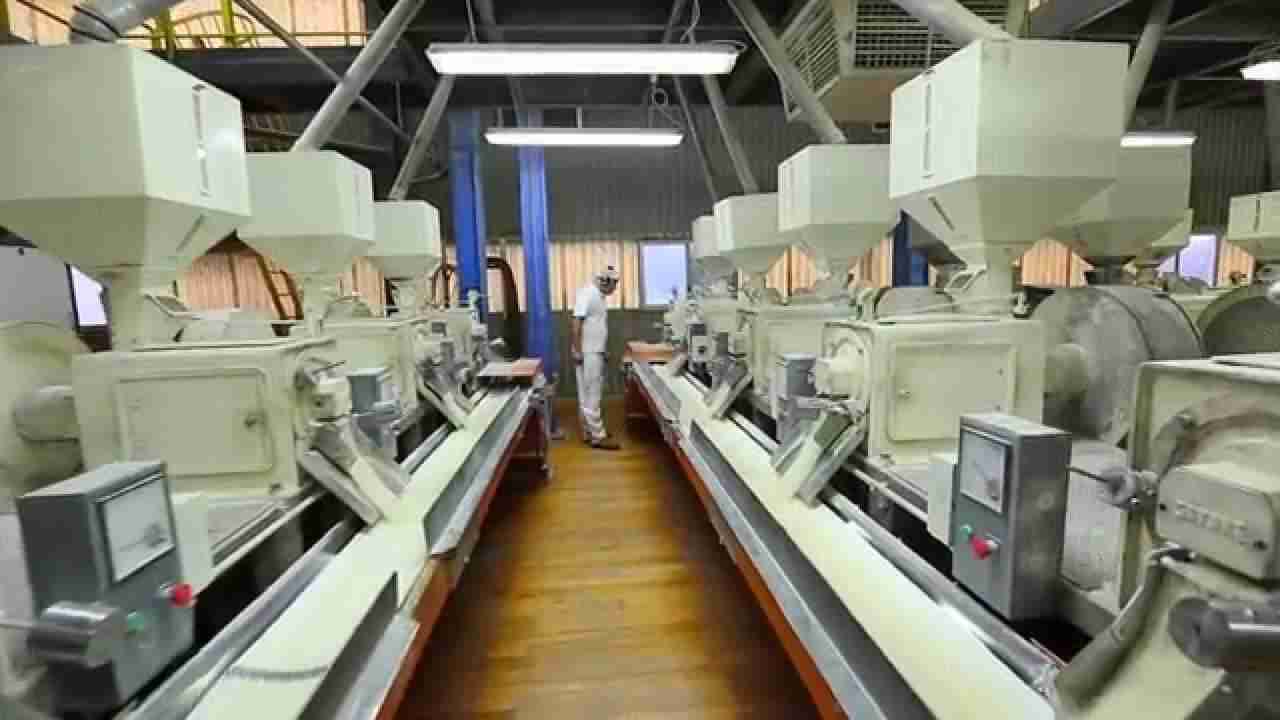
Understanding the Rice Milling Process and Its Nutritional Impact
The rice milling process transforms rough rice, or paddy, into the polished grains that fill our bowls and plates. This multifaceted operation involves several meticulously engineered steps, including de-husking, milling, and polishing. Each stage is crucial, as it not only refines the grain but also affects its nutritional profile. As rice passes through the milling machines, the outer husk is removed first, followed by the crucial conversion of the grain’s bran and germ layers into polished white rice. While this refining process produces grains that many consumers prefer for their aesthetic and cooking qualities, it also leads to the loss of essential nutrients such as fiber, B vitamins, and antioxidants that reside predominantly in these outer layers.
Understanding the implications of milling can offer valuable insights into dietary choices and health considerations. Consumers can opt for different types of rice based on their nutritional needs, as follows:
| Type of Rice | Nutritional Content |
|---|---|
| Brown Rice | High in fiber, magnesium, and antioxidants |
| White Rice | Lower in fiber, often enriched with iron and B vitamins |
| Parboiled Rice | Retains more nutrients than white rice, good balance of taste and nutrition |
Incorporating a variety of rice types can contribute to a well-rounded diet, tapping into the beneficial nutrients lost during milling. As rice milling machines continue to evolve, they offer a fascinating glimpse into how we can balance consumer preferences with nutritional integrity, revealing how understanding the milling process can lead to healthier eating choices for individuals and communities alike.

Exploring Advanced Technology in Rice Milling Machines
The evolution of rice milling technology has transformed the way we process one of the world’s staple foods. Modern rice milling machines are equipped with cutting-edge features that enhance efficiency and maximize nutrient retention. These machines are designed to minimize grain breakage, ensuring higher yield rates while preserving the essential vitamins and minerals within each grain. With automated processes, mill operators can achieve consistent results, reducing human error and improving productivity.
Some of the key advancements in rice milling technology include:
- Integrated Sifting Systems: These systems separate broken grains seamlessly, allowing for enhanced quality control.
- Temperature Control: Precision heating mechanisms help maintain optimal conditions during milling, safeguarding the nutritional value of the rice.
- Energy Efficiency: Newer models are designed to consume less energy, reducing operational costs and environmental impact.
With the introduction of smart technology, rice milling machines are now capable of data collection and analysis, providing insights that aid in refining processes further. Manufacturers are integrating IoT features that can monitor machine performance in real-time, leading to proactive maintenance and improved reliability. As the world pushes toward sustainable food production, these technological advancements in rice milling stand out as a beacon of innovation, promising better nutrition and resource management.
Maximizing Nutrient Retention: Best Practices for Rice Processing
To achieve the highest quality and nutritional value in rice, it is essential to focus on the processing methods employed from the point of harvest to the final product. Techniques that enhance the retention of vitamins and minerals are paramount. Maintaining optimal moisture levels during storage is crucial to prevent nutrient degradation. Additionally, employing modern milling machinery that minimizes excessive friction allows for a gentler approach, thus safeguarding the rice’s essential nutrients. Here are several practices to consider:
- Use of water-efficient milling machines to reduce nutrient loss in the husk
- Shorter milling times to preserve the nutritional integrity of the grain
- Careful monitoring of temperatures during processing to avoid heat damage
Collaboration with agricultural experts to optimize the entire processing chain can significantly impact nutrient retention. For example, the choice of husking method and the precision of polishing can cause substantial differences in nutrient levels. Below is a table illustrating various milling methods along with their nutrient retention capacities:
| Milling Method | Nutrient Retention (%) |
|---|---|
| Traditional Milling | 65 |
| Modern Automated Milling | 85 |
| Water-Friendly Processing | 90 |
Each of these methods plays a significant role in the final nutrient profile of the rice, showcasing the importance of choosing the right milling technology for achieving maximum nutritional benefits. By embracing innovative practices in rice processing, producers can help ensure that consumers enjoy not just a staple food, but a powerhouse of nutrition in every bowl.
The Future of Rice Milling: Innovations for Enhanced Nutrition
In the quest for enhanced dietary quality, innovative rice milling technologies are reshaping the landscape of nutrition. Advanced milling machines are now equipped with features that focus on retaining the natural nutrients found in rice. Through the utilization of precision milling techniques, these machines effectively remove bran layers while minimizing the loss of essential vitamins and minerals. This technology not only optimizes the milling process but also contributes to more nutritionally balanced rice products. With an emphasis on reducing nutrient loss, modern rice milling systems are becoming key players in the global effort to combat malnutrition.
Furthermore, the integration of smart technology is revolutionizing rice milling processes by introducing data-driven approaches to enhance efficiency and nutritional outcomes. These cutting-edge machines can monitor moisture levels, adjust milling intensity, and even customize processing methods based on rice varieties. Benefits of such innovations include:
- Nutrient Retention: Improved methods lead to higher vitamin B1, B3, and iron content in the final product.
- Sustainability: Reductions in waste through optimized milling practices.
- Quality Control: Consistent output with enhanced taste and texture.
| Innovation | Benefit |
|---|---|
| Precision Milling | Higher nutrient retention |
| Moisture Monitoring | Improved product quality |
| Customized Processing | Tailored nutritional profiles |
This synergy of nutritional science and technology heralds a new era for rice milling, one where the health of consumers is prioritized alongside efficiency and quality. Emphasizing nutrition in every grain, innovative milling practices promise to not only enhance food security but also support healthier diets worldwide.
Wrapping Up
In the grand tapestry of food production, rice milling machines stand as unsung heroes, weaving together the threads of tradition and innovation. As we conclude our exploration of their essential role in unlocking the full potential of one of the world’s most vital staples, it is clear that these machines are more than mere tools; they are facilitators of health, sustainability, and food security. Through the delicate dance of dehusking, polishing, and grading, they not only enhance the quality of rice but also support the livelihoods of millions who depend on this grain.
As we move forward, let us recognize the importance of marrying technology with respect for agricultural practices, ensuring that rice milling serves both nourishment and sustainability. The future of food depends on such synergy, and by investing in efficient, eco-friendly milling solutions, we can contribute to a healthier planet and a more equitable food system. So, as we reflect on the journey of rice from field to plate, let us appreciate the intricate mechanisms that make it possible and envision a world where every grain tells a story of care, commitment, and culinary delight.



