
Unveiling Paddy Processing: From Field to Finished Grain
In the heart of agriculture lies a transformation as ancient as civilization itself—one that begins in verdant fields and culminates in the shimmering glow of polished grains ready to nourish nations. Paddy processing, an intricate journey from the lush green paddies to the finished product on our tables, is a fascinating blend of tradition and technology. With each step meticulously crafted, from sowing seeds to the final polishing, this process not only underscores the importance of rice as a staple food but also highlights the art and science behind its cultivation and preparation. Join us as we explore the multifaceted world of paddy processing, peeling back the layers to reveal the techniques, innovations, and cultural significance that shape this vital industry. Whether you are a farmer, a food enthusiast, or simply curious about what lies beneath the surface of your next meal, understanding the journey of paddy is an essential step toward appreciating the grains that grace our plates.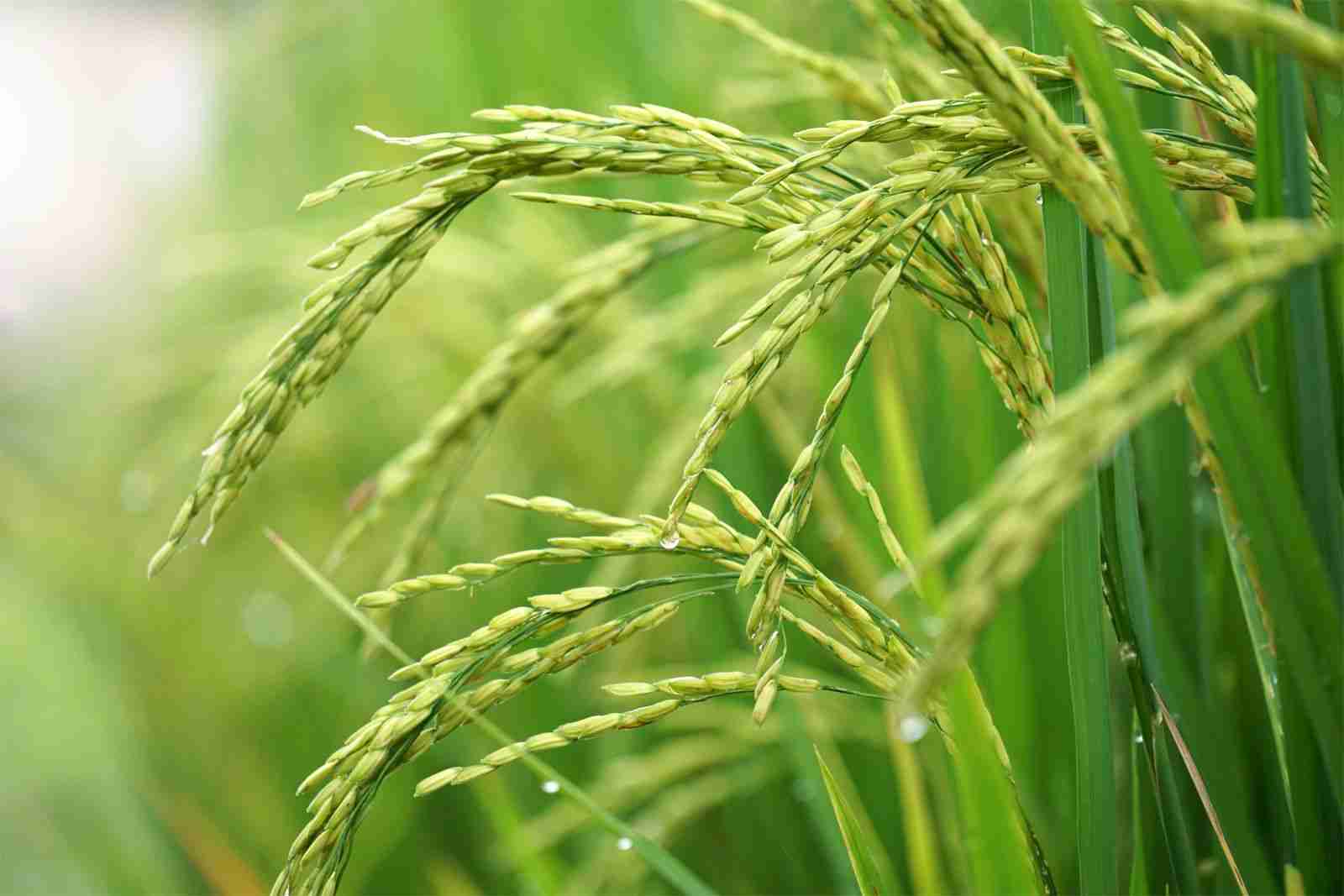
Understanding the Paddy Lifecycle from Cultivation to Harvest
The journey of paddy begins with meticulous planning and preparation, as farmers select the best seeds suited for their region’s climate and soil conditions. Once the seeds are chosen, they are often soaked and germinated before being sown in flooded fields, a process known as transplantation. Farmers also regularly monitor water levels, ensuring that the fields remain adequately flooded to combat weeds and pests while providing ideal growing conditions for the paddy. Over several months, the rice plant grows through various stages, including tillering, flowering, and maturation, where proper nutrient management is crucial to achieve a healthy crop.
As harvest time approaches, farmers observe the grains carefully, waiting until the heads turn golden brown, indicating optimal ripeness. Once harvested, the paddy undergoes processes such as threshing and drying. Threshing separates the grains from the stalks, while drying reduces moisture content to ensure rice quality and longevity. The stages following harvest can be summarized as follows:
| Stage | Description |
|---|---|
| Harvesting | The cutting of mature paddy plants. |
| Threshing | Separation of grains from the panicles. |
| Drying | Reducing moisture for storage and processing. |
| Sorting | Removing impurities and ensuring quality. |
| Milling | Removing husks to produce white rice. |
This meticulous journey transforms paddy from a green, vibrant field to the gleaming grains found on dining tables worldwide. Understanding each stage not only highlights the labor and care involved in rice production but also fosters greater appreciation for the grains that nourish millions.
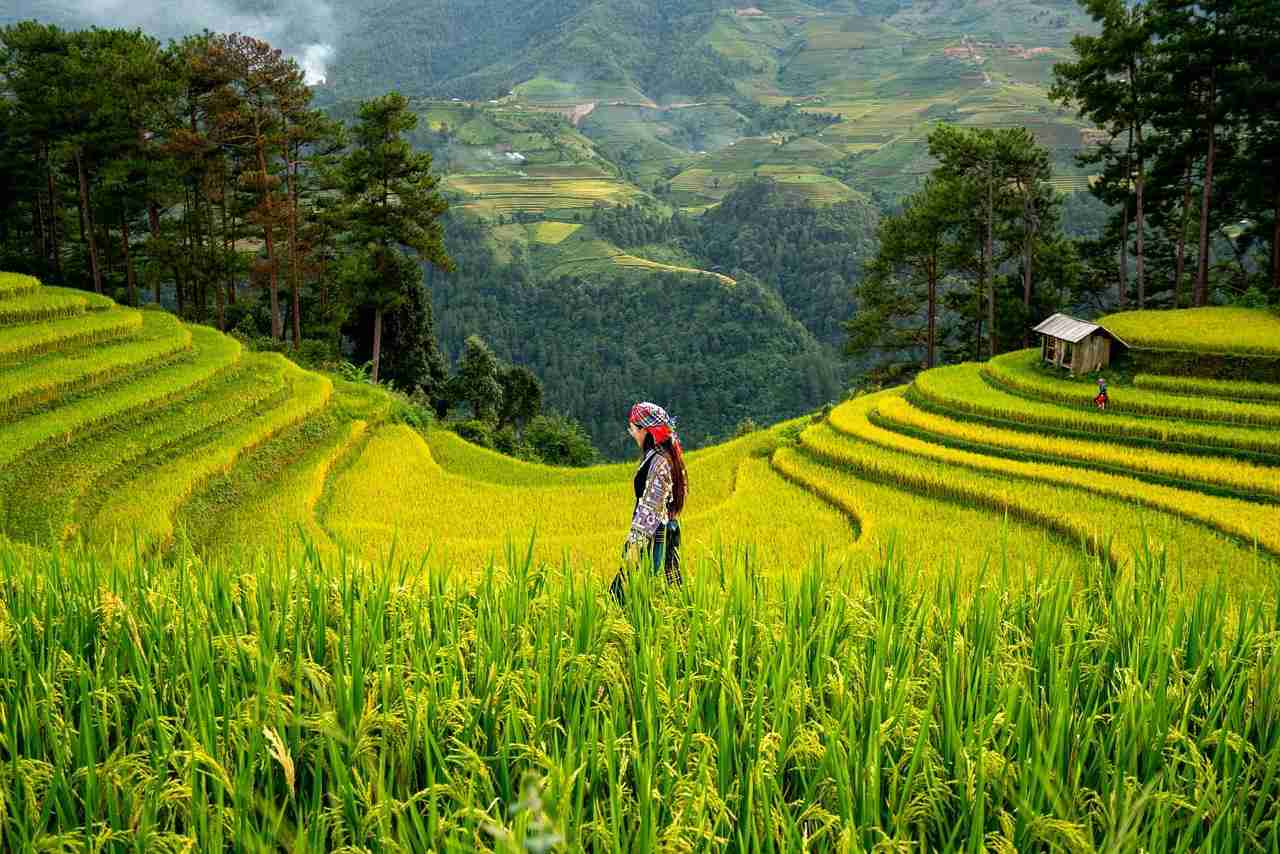
Essential Techniques for Efficient Paddy Threshing and Drying
Efficient paddy threshing and drying are crucial steps that influence the quality and yield of rice. To begin with, mechanical threshers are often employed to separate the grains from the chaff, which not only saves labor but also reduces damage to the grains. In scenarios where machines are unavailable, traditional methods such as beating with sticks or trampling by animals can be utilized, though these may require more effort and time. The choice of technique largely depends on the size of the harvest and the available resources, making it essential to adapt to local conditions. Additionally, integrating proper ventilation while threshing can enhance the overall efficiency by minimizing grain breakage.
Once the grains have been separated, the attention shifts to drying, which is critical for preventing spoilage and ensuring long-term storage. Achieving the right moisture content can be accomplished using several methods, including sun drying, mechanical drying, and shade drying. Each method has its advantages based on weather conditions and available infrastructure. For example, sun drying is cost-effective and natural but is heavily dependent on the sun’s availability, while mechanical drying offers more control over moisture levels. Below is a table that outlines various drying techniques along with their key advantages:
| Drying Technique | Advantages |
|---|---|
| Sun Drying | Cost-effective, natural method |
| Mechanical Drying | Controlled conditions, faster process |
| Shade Drying | Reduces exposure to direct sunlight, preserving quality |
Implementing these practices can considerably enhance the efficacy of paddy processing, ensuring that farmers achieve optimal results from their harvests. By combining traditional knowledge with modern techniques, the journey from paddy field to finished grain can become a seamless, efficient process that maximizes both quality and quantity.
Innovations in Milling: Enhancing Quality and Nutritional Value
Recent advancements in milling technology have transformed the way paddy is processed, focusing not only on efficiency but also on enhancing the quality and nutritional profile of the final product. Cutting-edge techniques such as multi-stage milling and infrared drying preserve essential nutrients while improving the grain’s texture and shelf life. These innovations have led to the development of machinery that can finely adjust milling parameters, optimizing bran removal while retaining vital vitamins and minerals found in the rice’s outer layers.
Alongside improvements in machinery, there is a growing emphasis on integrating fortification methods during the milling process. This approach aims to combat nutrient deficiencies prevalent in many regions. By incorporating fortified grains, millers can produce rice enriched with vital nutrients such as iron, zinc, and B vitamins. Moreover, this not only enhances the nutritional value of the rice but also encourages healthier eating habits among communities. The following table illustrates some common fortification methods alongside their respective benefits:
| Fortification Method | Benefits |
|---|---|
| Iron Fortification | Reduces anemia and boosts energy levels. |
| Zinc Enrichment | Improves immune function and cognitive development. |
| B Vitamin Addition | Supports metabolic processes and overall health. |
Sustainable Practices for a Greener Paddy Processing Industry
In the quest for a greener future, the paddy processing industry is increasingly adopting sustainable practices that minimize environmental impact while ensuring quality. By integrating eco-friendly techniques throughout the processing stages, we can effectively reduce waste and enhance resource efficiency. Considerations include the use of renewable energy sources, such as solar panels or biogas units, to power mills, which helps lower the carbon footprint. Moreover, implementing water conservation methods, such as closed-loop systems, ensures that water used for processing is recycled and reused, significantly reducing water waste.
Furthermore, fostering local agricultural partnerships allows for improved sourcing of paddy, promoting regional economies and reducing transportation emissions. Implementing organic farming methods not only yields healthier grains but also enriches the soil and preserves biodiversity. Another pivotal strategy is to enhance waste management by converting by-products into value-added goods. Practices include:
- Utilizing rice husks for biofuel or as a substrate for mushroom cultivation.
- Composting unusable paddy waste to create nutrient-rich fertilizers.
- Creating eco-friendly packaging from biodegradable materials.
| Practice | Benefits |
|---|---|
| Renewable Energy Adoption | Reduces operational costs and emissions. |
| Water Recycling Systems | Minimizes water use and preserves local resources. |
| Organic Farming Techniques | Supports soil health and promotes biodiversity. |
Closing Remarks
As we conclude our journey through the intricate world of paddy processing, it becomes clear that this seemingly simple grain embodies a story rich with tradition, innovation, and dedication. From the vibrant, sun-kissed fields where the paddy is cultivated to the sophisticated facilities that transform it into the finished product we see on our tables, each stage of the process is a testament to human ingenuity and respect for agriculture.
Understanding the journey of paddy not only enhances our appreciation for this staple food but also highlights the vital importance of sustainable practices in ensuring food security for future generations. As we continue to navigate challenges such as climate change and shifting consumer preferences, the methods of paddy processing will undoubtedly evolve, blending time-honored techniques with cutting-edge technology.
In embracing this blend of the past and future, we ensure that the story of paddy remains vibrant and alive. So whether you savor a bowl of rice, stir a pot of risotto, or enjoy sushi, remember that you are partaking in a larger narrative—one that bridges the gap between tradition and modernity, connecting people across cultures and continents, one grain at a time.



