
Harvesting Potential: The Essential Role of Rice Mill Plants
In the sprawling fields where golden grains sway gently under the sun, a transformation is taking place that extends far beyond mere agriculture. Rice, a staple food for more than half of the world’s population, undergoes a journey of metamorphosis that is both intricate and essential. At the heart of this process lie the rice mill plants—mechanized sanctuaries where raw harvests are refined into the staple we recognize in our kitchens. These facilities are not just hubs of productivity; they are catalysts for economic development, food security, and sustainability within communities. As we delve into the vital role that rice mill plants play in the agricultural landscape, we uncover their impact on efficiency, quality, and the overarching narrative of global food systems. Join us as we explore how these plants harvest not just rice, but the potential for growth, innovation, and resilience in the face of a rapidly changing world.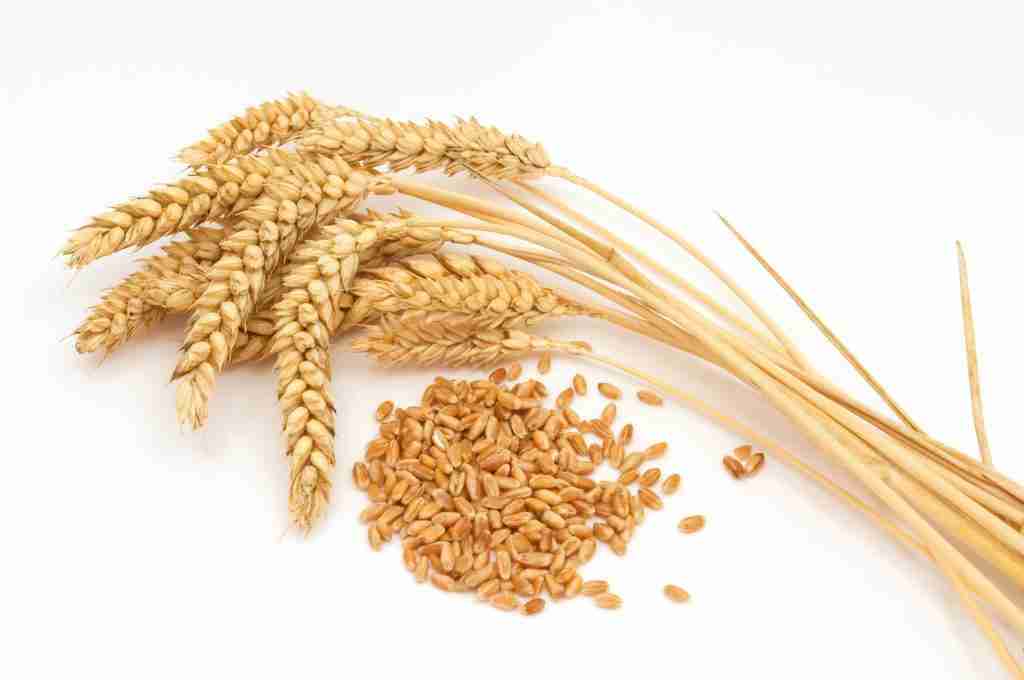
Understanding the Grain: The Technology Behind Modern Rice Mill Plants
Modern rice mill plants are marvels of engineering that have transformed the way we process this staple grain. These facilities utilize advanced technology to efficiently convert harvested paddy into high-quality rice. Central to this process are various machines that streamline operations and enhance yield. The primary components include:
- Pre-cleaners: Remove impurities and debris before further processing.
- Huskers: Separate the husk from the rice grain.
- Separators: Sort grains based on size and weight, ensuring uniform quality.
- Milling machines: Polish the rice, removing the bran layer to achieve a desirable finish.
The efficiency of modern rice milling processes can also be attributed to automation systems that monitor and control workflows with precision. This automation minimizes human error and maximizes productivity, allowing plants to operate continuously with minimal downtime. An example of these processes is illustrated in the following table, showcasing a comparative analysis of traditional vs. modern rice milling efficiencies:
| Aspect | Traditional Milling | Modern Milling |
|---|---|---|
| Processing Time | Days | Hours |
| Labor Intensity | High | Low |
| Grain Recovery Rate | 60% | 70%-75% |
By embracing these technologies, rice mill plants not only improve the quality and quantity of the final product but also contribute to sustainable agricultural practices. The integration of renewable energy sources and eco-friendly waste management systems further highlights the role of innovation in the rice milling industry, paving the way for a more resilient and efficient agricultural ecosystem.
Enhancing Efficiency: Best Practices for Optimal Rice Milling Operations
Optimizing rice milling operations demands a blend of technology, management, and process refinement. The foundation of a successful milling facility lies in adopting modern machinery that enhances productivity while minimizing downtime. This includes investing in state-of-the-art milling equipment, regularly scheduled maintenance, and utilizing automated systems that streamline workflows. A well-trained workforce plays an equally critical role, ensuring that every employee understands their function in the production chain and adheres to best practices in safety and operational efficiency.
Incorporating data-driven strategies can further enhance efficiency in rice milling. Implementing real-time monitoring systems allows for timely detection of bottlenecks and quality control issues. Additionally, analyzing production data facilitates informed decision-making, enabling mill operators to adjust processes to improve yields. A collaborative environment encourages sharing insights and operational improvements among staff, helping to cultivate a culture of continuous enhancement. For optimal results, facilities can also consider performing regular audits and engaging in ongoing training programs to stay ahead in the industry.
Sustainability in Focus: Eco-Friendly Innovations in Rice Milling
In recent years, the rice milling industry has embraced eco-friendly innovations that not only boost efficiency but also mitigate environmental impact. Sustainable milling processes are designed to reduce waste and energy consumption, leading to a greener supply chain. Among these innovations are:
- Solar-powered milling machines, which harness renewable energy and decrease reliance on fossil fuels.
- Water-efficient milling techniques, minimizing water usage during processing and promoting conservation.
- Biomass energy recovery systems, utilizing byproducts like husk and bran to generate clean energy for plant operations.
Collaboration with local farmers can further enhance these sustainable practices by encouraging crop rotation and promoting organic rice production. By integrating such methods, rice mill plants not only contribute to biodiversity but also add value to their products. The following table illustrates the benefits of adopting these eco-friendly practices:
| Innovation | Environmental Impact | Economic Benefit |
|---|---|---|
| Solar-powered machines | Reduces carbon footprint | Lower energy costs |
| Water-efficient techniques | Conserves water resources | Reduction in water bills |
| Biomass recovery systems | Utilizes waste products | Generates additional income |
Empowering Communities: The Socioeconomic Impact of rice mill plant Development
The establishment of rice mill plants within rural and semi-urban areas is a catalyst for substantial socioeconomic transformation. By creating a local processing hub, these facilities reduce the distance farmers have to travel to sell their produce, enhancing efficiency. This localized approach not only allows farmers to retain a larger share of the profits but also leads to job creation, fostering a diversified workplace. Increased employment opportunities, ranging from skilled positions in machinery operation to unskilled labor in basic maintenance and logistics, invigorate local economies and promote upward mobility for families that previously relied solely on agricultural work.
Furthermore, the ripple effects of rice mill development extend beyond immediate job creation. With enhanced income levels, community members are empowered to invest in education and healthcare, nurturing a brighter future for the next generation. As families have more disposable income, local businesses often experience growth, reinforcing community ties and encouraging entrepreneurship. The steady supply of milled rice also stabilizes food availability, leading to improved nutrition and reduced food insecurity. the comprehensive benefits stemming from rice milling operations foster a vibrant economic ecosystem, showing that investment in agricultural processing is tantamount to investing in community resilience.
In Conclusion
As we conclude our exploration of rice mill plants and their integral role in the agricultural ecosystem, it’s clear that these establishments are not just facilities for processing grain; they are vital hubs of innovation and sustainability. By transforming raw rice into a market-ready product, rice mills do more than just feed the world—they empower local economies, promote food security, and support the livelihoods of countless farmers.
As we look to the future, the continued evolution of rice mill technology and practices will be critical in meeting the ever-growing demands of a global population. Embracing sustainable practices will not only enhance efficiency but also ensure that we honor our environmental commitments. With every grain milled, rice mill plants remind us of the potential waiting to be harvested—not just from the fields, but from our collective efforts to build a more resilient and sustainable agricultural landscape.
the journey from seed to table is a collaborative one, and rice mill plants stand at the forefront, shaping the narrative of how we connect with the food we consume. Let us recognize and support these essential facilities, for they are the beating heart of our rice supply chain, nurturing both the present and the future of our food systems.



