
In the heart of rice-growing regions around the world, a remarkable transformation is taking place, one that bridges the ages-old traditions of agriculture with cutting-edge innovation. The modern rice mill stands as a testament to this evolution, serving not only as a hub for processing grains but also as a symbol of the agricultural advancements that define our era. No longer merely a structure of machinery and labor, today’s rice mill is a complex ecosystem where technology and sustainability converge to meet the demands of an ever-growing population. In this article, we will explore the intricacies of modern rice milling, delving into its operations, the technologies that propel it forward, and the vital role it plays in ensuring food security. Join us as we unveil the heart of agriculture and discover how the modern rice mill is shaping the future of rice production.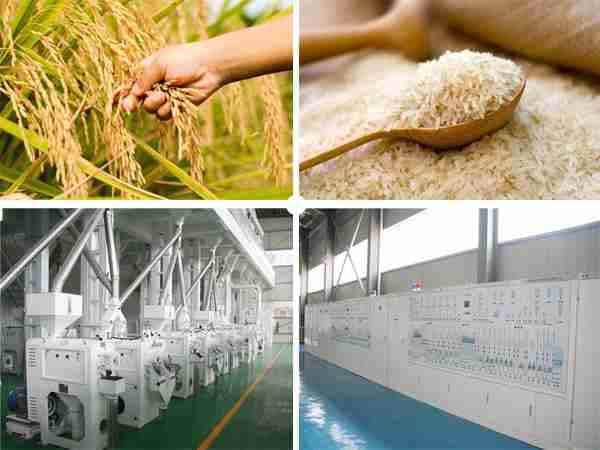
Exploring the Evolution of Rice Milling Technology
The journey of rice milling technology has evolved tremendously over centuries, transforming a labor-intensive process into a highly mechanized and efficient industry. Early rice milling was primarily a manual undertaking, where farmers would use simple tools such as mortars and pestles to husk and winnow the grain. As agricultural practices advanced, the introduction of animal-driven and later water-powered machines marked a significant turning point. These innovations allowed for greater throughput and consistency in milling, setting the foundation for modern processes.
In the 20th century, the development of electrically powered machinery revolutionized rice milling, allowing for the introduction of multi-stage milling processes. Today, state-of-the-art rice mills incorporate advanced technology, emphasizing automation, precision, and sustainability. Key features of modern rice milling plants include:
- Automated sorting systems for quality control
- Efficient husking machines that reduce grain breakage
- Environmental considerations with waste recycling systems
To illustrate the ongoing advancements, the following table highlights the key differences between traditional and modern milling techniques:
| Aspects | Traditional Milling | Modern Milling |
|---|---|---|
| Efficiency | Labor-intensive | High automation |
| Quality Control | Manual inspection | Automated sorting |
| Energy Source | Human/animal power | Electricity |
The modernization of rice milling not only enhances productivity but also contributes to better overall grain quality, meeting the demands of an ever-growing global market. As technology continues to innovate, the heart of agriculture finds new ways to sustain itself and its consumers, ensuring that this staple food remains accessible and of high quality.

Enhancing Sustainability in Modern Rice Mills
As the backbone of rice production, modern rice mills are embracing innovative practices to minimize their ecological footprint while enhancing operational efficiency. By adopting renewable energy sources such as solar and wind power, these mills are reducing reliance on fossil fuels. The implementation of cutting-edge technologies like energy-efficient machinery and waste recycling systems not only conserves resources but also significantly lowers emissions. Furthermore, the strategic use of water recycling technologies ensures that water conservation plays a vital role in milling operations, minimizing waste and supporting sustainable practices.
Another critical aspect of sustainability is the cultivation of local community partnerships. By sourcing paddy from nearby farmers, mills can foster economic resilience within agricultural communities while promoting biodiversity. Additionally, training programs for these farmers on sustainable farming techniques, such as integrated pest management and organic farming, contribute to a more sustainable supply chain. To visualize the impact of sustainable practices, the table below highlights key benefits:
| Benefit | Description |
|---|---|
| Energy Efficiency | Reduced energy consumption through advanced technologies. |
| Waste Reduction | Utilization of by-products for feed or biofuel. |
| Water Conservation | Recycling processes that minimize water usage. |
| Community Empowerment | Supporting local farmers to promote sustainable practices. |
By weaving sustainability into every aspect of their operations, modern rice mills are not only enhancing their productivity but also ensuring a healthier planet for future generations.
Improving Efficiency and Productivity in Rice Processing
In the ever-evolving landscape of agriculture, modern rice mills are at the forefront of enhancing operational efficiency and boosting productivity. These innovations are integral to meeting the growing global demand for rice while ensuring sustainability within the industry. By implementing advanced technology such as automated milling systems and precision sorting machines, rice mills can significantly reduce waste and maximize yield. Key improvements include:
- Real-time monitoring to track performance indicators and optimize processes.
- Reduced processing time through streamlined operations and enhanced machinery.
- Eco-friendly practices that minimize energy consumption and environmental impact.
Furthermore, the integration of data analytics into rice processing enables mill operators to make informed decisions based on comprehensive performance metrics. A well-structured approach to training staff in these cutting-edge technologies fosters a knowledgeable workforce equipped to manage complex systems effectively. The table below outlines some of the key technologies and their benefits:
| Technology | Benefits |
|---|---|
| Automated Milling Systems | Increased consistency and quality of rice output. |
| Precision Sorters | Reduction of impurities and higher market value. |
| Data Analytics Tools | Enhanced decision-making and operational insights. |
The combination of efficient processes, high-quality technological integration, and skilled labor elevates the rice milling industry, positioning it as a critical component of food security in today’s agricultural framework. Continuous improvements and innovations ensure that rice processing not only meets but exceeds the demanding challenges of a global market.
Navigating Challenges and Future Trends in the Rice Milling Industry
The rice milling industry is currently facing a myriad of challenges, requiring innovation and adaptability to maintain efficiency and sustainability. Factors such as fluctuating market prices, climate change impacts, and the need for automated processes are prompting mill owners to refine operational strategies and invest in advanced technologies. Among these, smart milling machinery and data analytics are revolutionizing the way rice is processed, minimizing waste and optimizing yield. For rice mill operators, addressing these challenges is not just about survival; it’s an opportunity to embrace change and enhance productivity through integration of cutting-edge solutions.
As the industry evolves, several trends are emerging that will shape the future of rice milling. Sustainability has become a focal point, driving mills to adopt practices that reduce their carbon footprint and conserve water. Additionally, there is a noticeable shift towards organic rice production, responding to consumer demand for healthier options. The rise of e-commerce platforms is also facilitating farmers’ access to broader markets, thereby enhancing profitability. Below is a table showcasing these critical trends and their potential impact:
| Trend | Impact on Industry |
|---|---|
| Sustainability Practices | Reduced environmental impact, improved consumer perception |
| Organic Production | Increased market presence, higher margins |
| E-commerce Expansion | Wider distribution reach, enhanced brand visibility |
To Wrap It Up
As we close the curtain on our exploration of the modern rice mill, we invite you to reflect on the transformative journey that this humble facility embodies. No longer just a structure for processing grains, the rice mill stands as a testament to innovation, efficiency, and sustainability in agriculture. It encapsulates centuries of tradition while embracing the advancements of technology, weaving together the past and the future of our food systems.
The modern rice mill is not merely a machinery hub; it’s a vital player in the global food narrative, ensuring that the staple that feeds billions is harvested, processed, and delivered with utmost care. As we look ahead, the challenge lies in balancing these advancements with environmental stewardship, to ensure that the heart of agriculture continues to beat strong for generations to come.
In unveiling the heart of agriculture, we gain a deeper appreciation for the intricate processes that nourish our world. Let us celebrate the modern rice mill—not just as a symbol of progress, but as a reminder of our responsibility to innovate with purpose and to honor the land that sustains us. In the rhythm of the milling process, we find a story of resilience, adaptability, and hope, urging us to pursue a future where agriculture thrives in harmony with nature.



