
The Journey of Maize: Unlocking the Secrets of Corn Processing
From the sun-soaked fields of the Americas to dinner tables around the globe, maize—commonly known as corn—holds a regal place in the pantheon of staple crops. This humble grain, with its vibrant yellow kernels and resilient stalks, has a story that stretches back thousands of years. It began as a wild grass, nurtured by ancient civilizations that recognized its potential, and has since evolved into an agricultural powerhouse. But the tale of maize is more than just its cultivation; it weaves a complex narrative of science, tradition, and innovation through the intricate processes of corn processing. In this article, we embark on a journey to uncover the secrets behind turning harvested maize into an array of products that nourish, sustain, and enrich our lives. From the fields where it flourishes to the factories where it transforms, we will explore the fascinating steps that bring corn from its roots to our plates, illuminating both the artistry and the technology involved in this quintessential grain. Buckle up as we dive into the multifaceted world of maize processing and discover the alchemy that lies within one of humanity’s most beloved crops.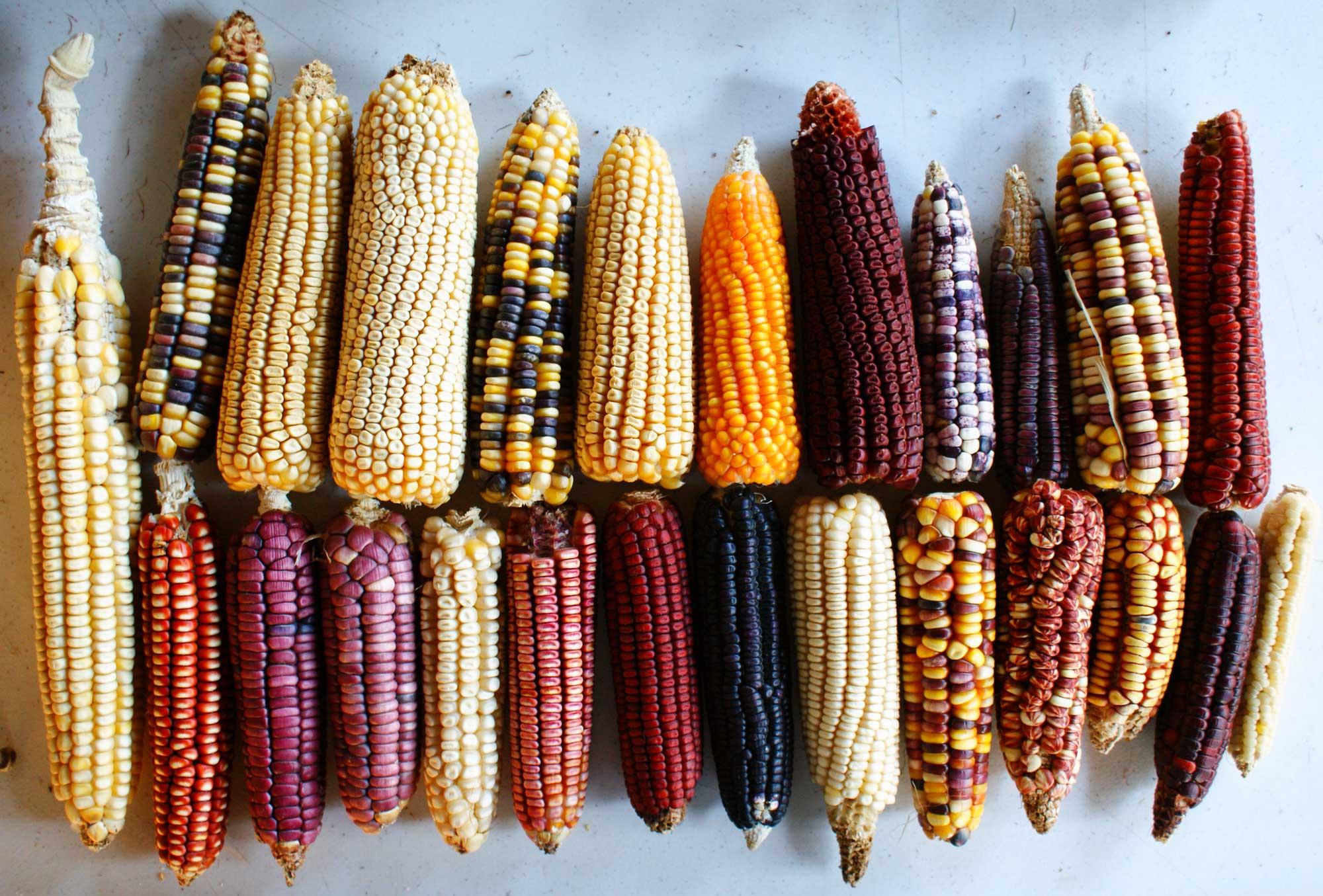
The Origins of Maize: A Historical Perspective on Corn Cultivation
The journey of maize begins in the misty highlands of southern Mexico around 9,000 years ago, where ancient Mesoamerican civilizations domesticated a wild grass known as teosinte. Through generations of selective breeding, this small, hard grain transformed into the familiar ear of corn we know today. This cultivation not only provided sustenance but also played a pivotal role in shaping social and cultural practices within these societies. Over time, maize diffused throughout the Americas, becoming a staple crop for various indigenous groups, thanks to its resilience and versatility in a variety of climates.
Maize effectively served as more than just nourishment; it was woven into the fabric of religious rituals and community life. The Nahua, Maya, and Inca cultures revered corn, reflecting its significance through elaborate myths and festivals dedicated to the harvest. The impact of maize cultivation extended even further upon arrival in Europe with explorers like Columbus, revolutionizing agricultural practices there as well. Today, this remarkable crop sustains billions globally, embodying a rich history of human ingenuity and adaptability.
From Field to Fork: Understanding the Corn Processing Journey
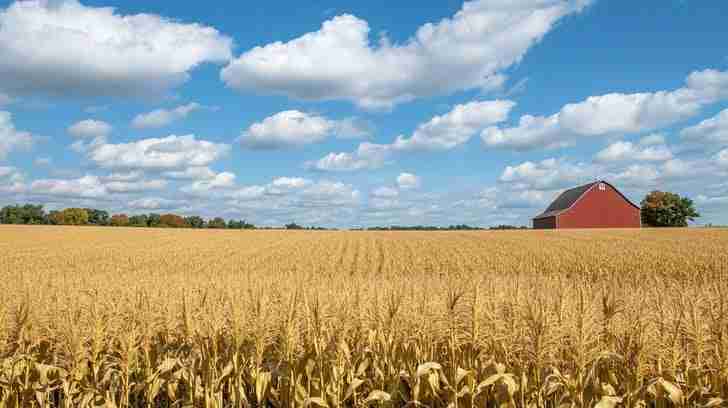
The journey of maize is a fascinating transformation that begins in lush green fields and ends on our plates, showcasing the depth and versatility of this remarkable grain. After harvesting, corn undergoes a meticulous process that includes cleaning, drying, and milling. Each step is crucial in preparing the corn for its various applications, from animal feed to corn syrup. The process itself can be broken down into several key stages:
- Harvesting: The moment when ripe corn is gathered, signaling the start of its journey.
- Cleaning: Removing impurities such as dirt and debris to ensure quality.
- Drying: Reducing moisture content to prevent spoilage during storage.
- Milling: Grinding the corn into various sizes for different products, from cornmeal to grits.
Once processed, corn is utilized in a myriad of ways, seamlessly transitioning from farm to fork. Here are a few popular products derived from corn:
| Product | Use |
|---|---|
| Cornmeal | Baking and cooking |
| Cornstarch | Thickening agent in recipes |
| High Fructose Corn Syrup | Sweetener in beverages and snacks |
| Animal Feed | Nutritional supplement for livestock |
Nutritional Insights: The Benefits of Processed Corn Products
Processed corn products often get a bad rap, but the truth is they possess numerous nutritional benefits that deserve recognition. These products, such as cornmeal, corn flour, and corn syrup, are versatile ingredients that can contribute positively to a balanced diet. They are generally rich in essential nutrients, including:
- Fiber: Many processed corn items retain a significant amount of fiber, aiding in digestion and promoting gut health.
- Vitamins and Minerals: Corn is a source of various important vitamins, including B vitamins like thiamine and folate, as well as minerals such as magnesium and phosphorus.
- Antioxidants: Processed corn products are infused with carotenoids, which help in combating oxidative stress in the body.
Moreover, corn-based products are often gluten-free, making them an excellent choice for individuals with gluten intolerance or celiac disease. The wide range of processed forms available means they can fit into diverse diets and recipes. Here’s a quick overview of some popular corn products and their unique contributions:
| Product | Nutritional Highlights | Uses |
|---|---|---|
| Cornmeal | High in fiber; promotes satiety | Polenta, cornbread, and baking |
| Corn Syrup | Provides quick energy | Sweetener in baking and beverages |
| Corn Flour | Rich in vitamins, gluten-free | Baking, thickening sauces, and coating |

Innovative Techniques: Enhancing Quality and Sustainability in Corn Processing
In recent years, the corn processing industry has embraced a variety of innovative techniques aimed at enhancing both quality and sustainability. By integrating advanced technologies, producers are now capable of maximizing the potential of maize in ways previously thought unattainable. Some of these developments include:
- Biotechnology Applications: Genetically modified corn varieties designed to resist pests and diseases reduce the need for chemical fertilizers and pesticides.
- Water Conservation Methods: Techniques such as drip irrigation ensure that the crop receives the optimal amount of water, thereby minimizing waste.
- Waste Valorization: Byproducts of corn processing, such as husks and stalks, are being repurposed into biofuels and bioplastics, reducing landfill contributions.
Moreover, the implementation of precision agriculture technologies has revolutionized corn processing. By utilizing data analytics, farmers can monitor field conditions in real-time, ensuring that inputs like fertilizers and water are applied efficiently. This not only improves yield but also significantly limits the environmental footprint of corn production. The following table summarizes some of the key sustainable practices being adopted:
| Technique | Benefit |
|---|---|
| Cover Cropping | Enhances soil health and reduces erosion |
| Crop Rotation | Improves soil fertility and disrupts pest cycles |
| Integrated Pest Management | Minimizes chemical usage and promotes ecological balance |
These innovative approaches not only bolster the quality of corn but also carve a pathway towards a more sustainable agricultural future. The convergence of technology and eco-friendly practices in corn processing illustrates a promising horizon for producers, consumers, and the environment alike.
To Wrap It Up
As we close the chapter on the fascinating journey of maize, it becomes clear that this humble grain is far more than just a staple food; it is a complex tapestry interwoven with culture, innovation, and sustainability. From ancient fields of Mesoamerica to modern industrial processes, the evolution of corn processing reveals not only the ingenuity of human hands but also the intricate relationship we share with nature’s bounty.
By understanding the secrets locked within each kernel, we can better appreciate how maize fuels economies, nourishes communities, and shapes culinary traditions across the globe. The practices developed over centuries have laid the groundwork for a future that embraces ethical sourcing, environmental stewardship, and technological advancement.
As we look ahead, the path forward invites us to explore new horizons in corn processing—where tradition meets modernity, and creativity flourishes within the realm of possibility. So, let us continue to unlock the potential of maize, ensuring that this remarkable journey is only the beginning of an enduring story, rich in flavor, heritage, and hope for generations to come.



