
In an ever-evolving world dominated by technology, the art of transforming raw ingredients into culinary delights remains timeless. Among these ingredients, rice stands out as a staple that nourishes billions around the globe. But have you ever considered the journey of rice from its natural state to the perfectly milled grains that fill our bowls? Enter the mini rice milling machine—an innovation that is revolutionizing the way we process this essential grain. In this article, we take a closer look at how these compact powerhouses are not only streamlining the milling process but also empowering small-scale farmers and home cooks alike to explore the potential of freshly milled rice. Join us as we delve into the mechanics, benefits, and transformative impact of mini rice milling machines, ultimately celebrating the connection between technology and food craftsmanship.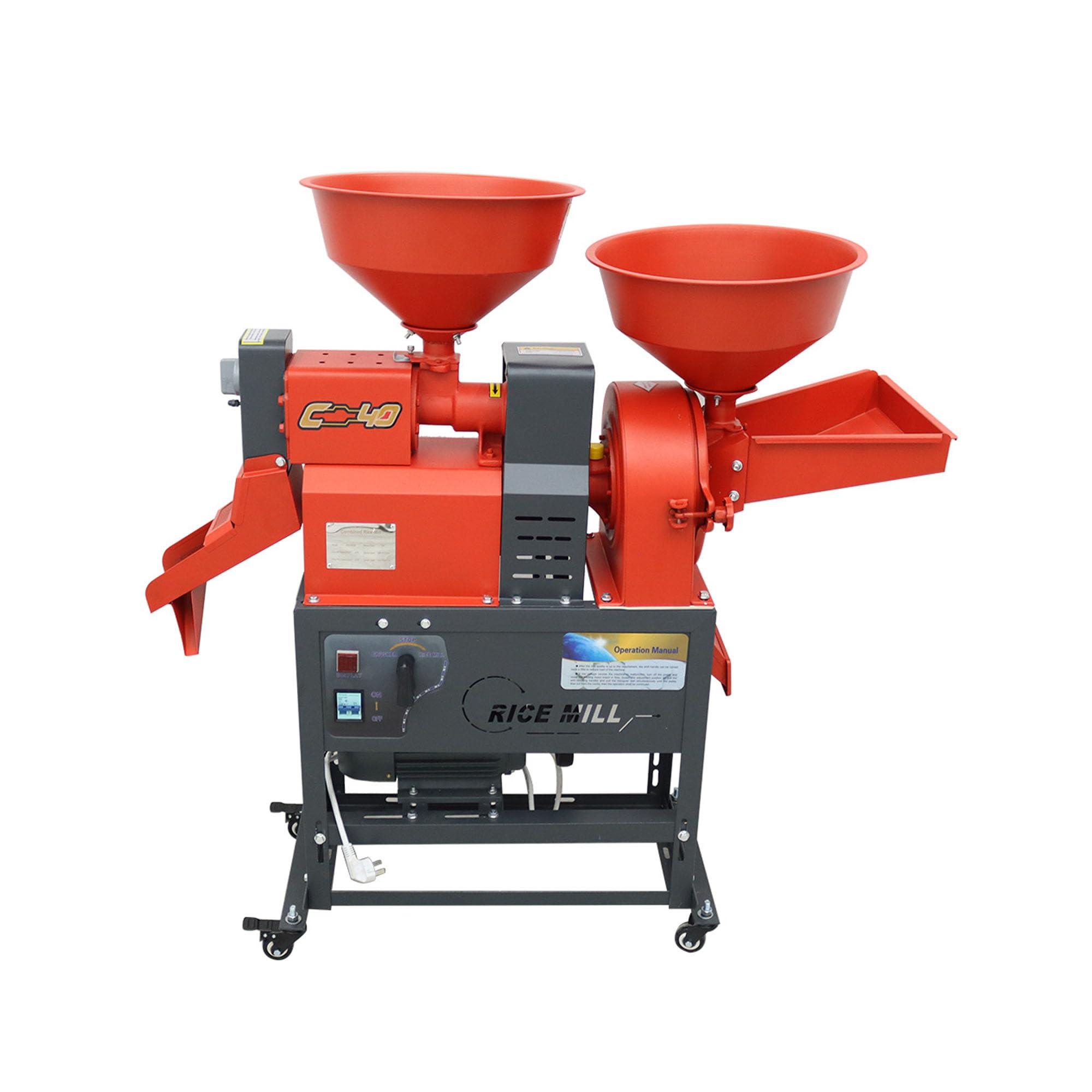
Understanding the Mini Rice Milling Machine and Its Benefits
The mini rice milling machine is a compact yet powerful device that revolutionizes the way we process rice. Designed for efficiency and versatility, this machine is perfect for small-scale farmers, local businesses, and even home users who seek to maximize their rice production while minimizing labor costs. With its ability to husk, mill, and polish rice in one streamlined process, it not only saves time but also ensures higher yield and quality. The equipment’s design typically focuses on user-friendliness and portability, making it accessible for those who might be new to rice processing.
One of the outstanding benefits of these compact machines lies in their adaptability. Users can select perfect settings for different rice varieties, ensuring optimal processing results. Consider the following advantages:
- Cost-Effective: Lower operational costs compared to larger milling machines.
- High Efficiency: Processes grain quickly with minimal waste.
- Space-Saving: Compact size fits easily into smaller workspaces.
- Minimal Maintenance: Designed for durability and easy upkeep.
Furthermore, the mini rice milling machine often comes equipped with features that enhance user experience. With robust motors, advanced milling technology, and safety measures, these machines ensure both productivity and safety. Below is a comparison table highlighting some key features of popular mini rice milling machines:
| Model | Husk Removal | Milling Capacity (kg/h) | Power (kW) |
|---|---|---|---|
| Mini Mill Pro | Yes | 300 | 2.2 |
| Rice Master 2000 | Yes | 350 | 3.0 |
| Compact Grain Wizard | No | 250 | 1.5 |
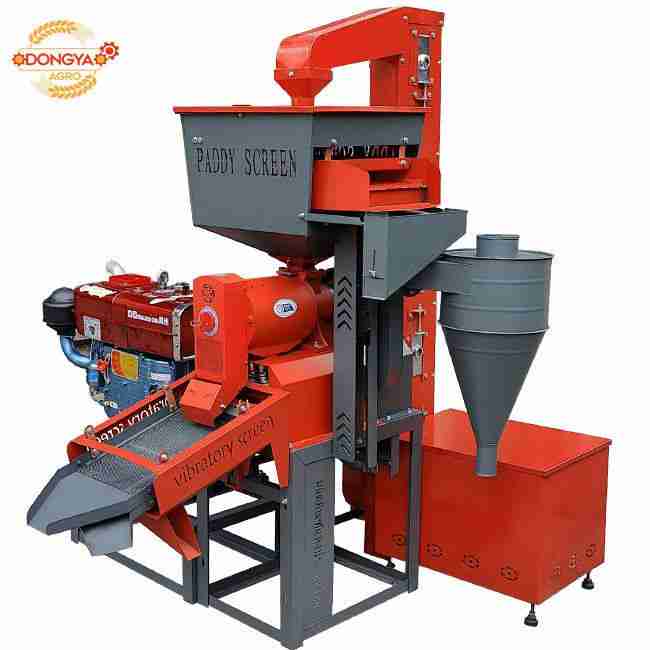
Key Features to Look for When Choosing a mini rice mill
When selecting a mini rice mill, consider the capacity of the machine, as it determines how much rice can be processed in a given timeframe. Look for a mill that suits your needs, whether it’s for a small household or a larger community. Additionally, the power consumption is a critical factor; energy-efficient models can save operational costs, which is essential for long-term investment. Ensure the mill has a durable build, preferably made from high-quality materials to withstand the rigors of daily use. A model with interchangeable parts can also extend its lifespan.
Another crucial feature is the ease of operation. A user-friendly interface and adjustable settings can enhance your milling experience, making the process smoother and more efficient. Pay attention to the cleaning mechanism of the mill as well; quick and easy maintenance can prevent downtime. Lastly, consider the support and warranty provided by the manufacturer, as having reliable service can give you peace of mind should any issues arise. Below is a simple comparison table to illustrate important features for various mini rice mill models:
| Model | Capacity (kg/h) | Power Consumption (kW) | Warranty (years) |
|---|---|---|---|
| Model A | 150 | 2.5 | 2 |
| Model B | 200 | 3.0 | 1 |
| Model C | 100 | 2.0 | 3 |
Optimizing Your Yield: Tips for Efficient Milling Practices
When it comes to maximizing your grain output, the right milling practices can significantly enhance your overall yield. Utilizing a mini rice milling machine not only streamlines the process but also minimizes waste. It’s essential to calibrate your milling equipment properly—this ensures that you’re getting the most out of each batch. Regular maintenance of the machinery is key; keeping it clean and in good working order can help prevent unnecessary breakdowns or inefficiencies.
Moreover, understanding the ideal moisture content of your rice before milling can assist in achieving a better yield. Here’s a quick checklist of optimal practices to consider:
- Ensure grains are cleaned thoroughly to remove any debris.
- Monitor and adjust the moisture level to around 12-14% for best results.
- Periodically check the machine settings to match the specific grain type.
To illustrate the impact of proper milling, refer to the table below that highlights yield percentages based on varying practices:
| Milling Practice | Yield Percentage |
|---|---|
| Standard Milling | 65% |
| Optimized Adjustments | 75% |
| Proper Moisture Control | 80% |
By adhering to these tactics, you can not only enhance the efficiency of your milling operations but also contribute to an environmentally sustainable production process by reducing waste. In addition, keeping detailed records of each milling session can unveil patterns and aid in fine-tuning your practices for maximum output. Consider every aspect of the milling operation as a cog in a machine; when well-oiled, the performance improves dramatically.
Maintenance Essentials for Longevity and Performance
Ensuring the optimal performance of your mini rice milling machine requires a dedicated maintenance routine. Start by regularly cleaning the machine to prevent dust and grains from accumulating, which can affect its efficiency. Use a soft brush and cloth to wipe down accessible surfaces. Check the machine’s belts and pulleys for signs of wear, and replace them immediately if you notice fraying or damage. Additionally, lubrication is crucial; apply oil to the moving parts as specified in the manufacturer’s guidelines to keep everything running smoothly.
Periodic inspections can be beneficial in identifying potential issues before they escalate. Consider the following maintenance tasks on a weekly and monthly basis:
- Weekly: Check and clean the air filters to maintain airflow.
- Weekly: Ensure all electrical connections are tight and free of corrosion.
- Monthly: Inspect and test safety features to ensure compliance.
- Monthly: Calibrate settings based on the type of rice being processed.
By adhering to these simple yet effective maintenance practices, you can extend the life of your mini rice milling machine while maximizing its performance, paving the way for a successful grain transformation journey.
Insights and Conclusions
the mini rice milling machine stands as a remarkable innovation that bridges tradition and technology, offering an accessible pathway for farmers, entrepreneurs, and small-scale processors to enhance their grain transformation processes. By simplifying the milling experience, this compact powerhouse not only maximizes the quality of rice but also empowers local communities to better manage their resources and meet market demands. As we move towards a future where sustainable practices and efficiency in food production are increasingly vital, embracing tools like the mini rice milling machine could be the key to unlocking new potentials within the agricultural sector. Whether you’re a seasoned miller or a newcomer to the grain industry, this machine represents more than just equipment; it symbolizes a transformative approach to the way we think about, process, and appreciate one of the world’s staple foods. So, as you venture into the realm of grain milling, consider the possibilities that lie in transforming not just the rice itself, but the entire journey from field to table.



