
In the heart of rural landscapes, where the golden fields of rice sway gently in the breeze, a silent revolution is taking shape. The humble grain, a staple for billions around the globe, is undergoing a transformation, not just in how it is grown but also in how it is processed. The introduction of the revolutionary paddy processing machine marks a significant leap forward in agricultural technology, promising to unlock extraordinary levels of efficiency and productivity. As farmers and agribusinesses grapple with the challenges of modern food production, this innovative machine stands as a beacon of hope, blending tradition with technology to streamline the rice milling process. In this article, we delve into the intricacies of this groundbreaking tool, exploring its design, functionality, and the far-reaching implications it has for the future of rice processing and beyond. Join us as we uncover how this machine is not just changing the way paddy is processed, but also reshaping the livelihoods of those who depend on it.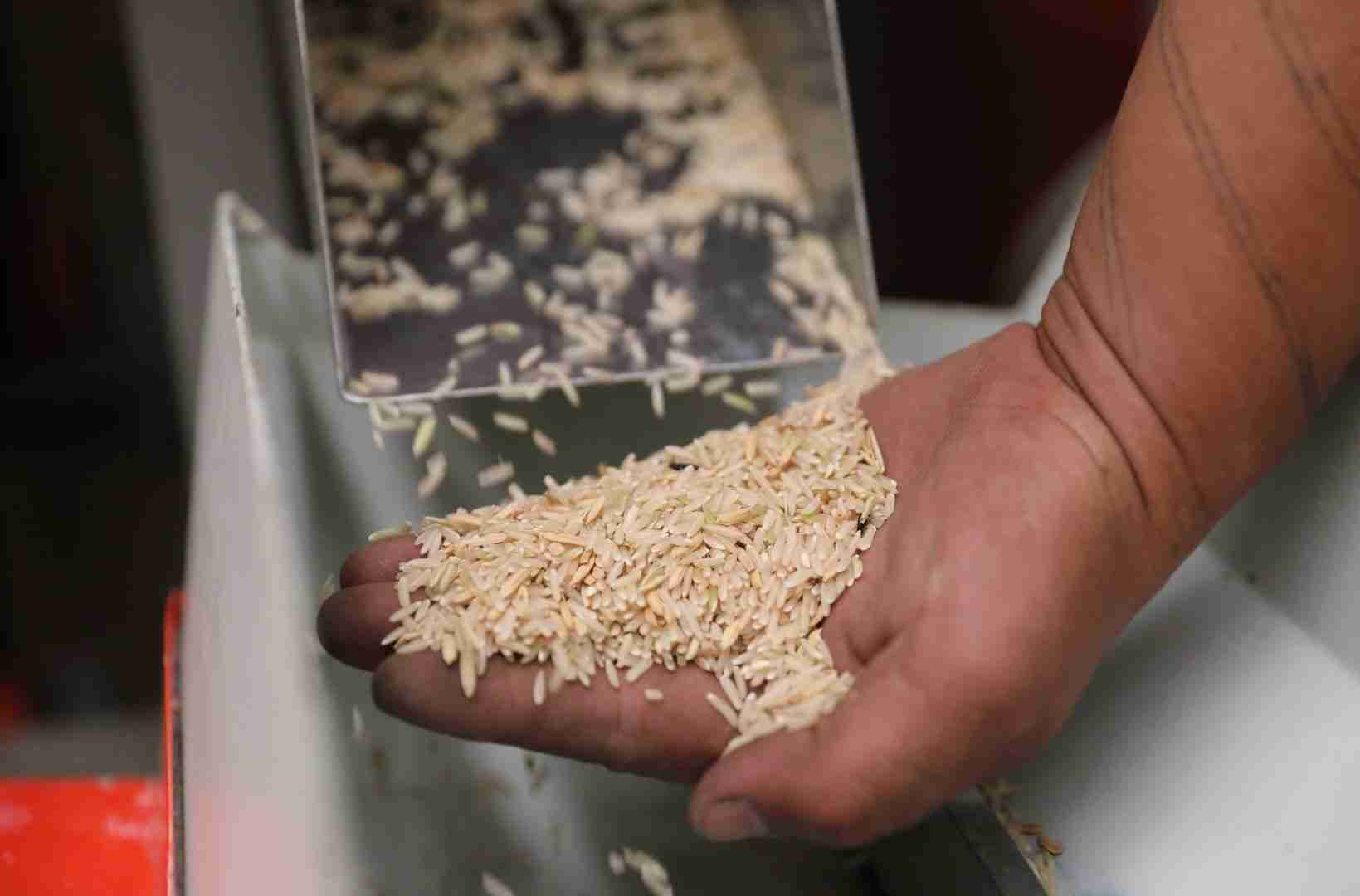
Exploring the Mechanisms Behind Paddy Processing Innovation
Innovation in paddy processing is an intricate dance between technology and tradition, where each advancement brings us closer to optimizing efficiency. Central to this evolution is the development of sophisticated machinery designed to streamline operations, reduce waste, and improve product quality. Key mechanisms have emerged, driving this transformation:
- Automated Sorting Systems: Cutting-edge sensors and AI algorithms identify and separate paddy of varying quality, ensuring only the best grains make it to the market.
- Multi-Functional Machines: The latest equipment can husk, mill, and polish in a single pass, drastically reducing the time and labor involved.
- Energy Efficiency: Innovations focus on reducing energy consumption through regenerative braking and more efficient motors, leading to lower operational costs.
- Real-Time Monitoring: Internet of Things (IoT) technology allows for continuous monitoring of the processing conditions, enabling operators to make instant adjustments.
To illustrate the impact of these innovations, consider the following comparisons between traditional and modern paddy processing approaches:
| Aspect | Traditional Processing | Modern Processing |
|---|---|---|
| Time Required | Days | Hours |
| Labor Intensity | High | Low |
| Waste Generation | 20% | 5% |
| Quality of Output | Variable | Consistent |
This shift not only highlights the technological advancements but also points towards a sustainable future in agricultural practices, where efficiency and quality are paramount. As these innovations continue to unfold, they promise a brighter, more productive horizon for paddy farmers around the world.

Enhancing Yield and Quality with Advanced Technology
In today’s competitive agricultural landscape, leveraging state-of-the-art technology is imperative for optimizing yield and quality in paddy production. The introduction of advanced paddy processing machines provides farmers with a significant edge. These machines feature innovative mechanisms designed to enhance seed quality, ensuring a higher viability rate and ultimately leading to increased yield. Equipped with precision sensors and automated systems, they monitor and adjust processing parameters in real-time, thus minimizing losses and maximizing output.
The advantages of these revolutionary machines extend beyond mere efficiency. By incorporating automated sorting and cleaning functions, they significantly reduce the time and labor costs associated with traditional paddy processing methods. Farmers can also expect improvements in the overall quality of their product, as the machines effectively eliminate impurities and optimize moisture levels. Key benefits include:
- Increased Processing Speed: Capable of handling larger volumes in shorter timeframes.
- Consistency: Ensures uniform quality of the processed paddy.
- Labor Savings: Reduces dependency on manual labor, allowing farmers to allocate resources more effectively.
Here’s a quick overview of how the latest technology transforms paddy processing:
| Feature | Description |
|---|---|
| Smart Sensors | Continuously monitor quality parameters during processing. |
| Eco-Friendly Operation | Minimizes energy consumption compared to traditional methods. |
| User-Friendly Interface | Simplifies operation, reducing training time for new operators. |
Cost-Benefit Analysis of Investing in Paddy Processing Machines
Investing in paddy processing machines presents a multifaceted opportunity for stakeholders in the agribusiness sector. Cost benefits arise not only from enhanced efficiency in processing paddy but also through significant long-term savings. Consider the following advantages:
- Increased Output: Automated machines reduce processing time, allowing for higher quantities of paddy to be processed within the same timeframe.
- Labor Savings: With fewer labor hours required for manual processing, businesses can reallocate resources to other critical areas.
- Quality Improvement: Modern processing technology minimizes damage and enhances the quality of rice produced, contributing to better market prices.
On the flip side, it’s crucial to weigh these benefits against the initial investment and operational costs. Conducting a thorough analysis may reveal insights such as:
| Item | Estimated Cost ($) | Annual Savings ($) |
|---|---|---|
| Paddy Processing Machine | 20,000 | 5,000 |
| Labor Costs (Reduction) | 0 | 3,000 |
| Quality Control Improvements | 0 | 2,000 |
Ultimately, the decision to invest should hinge on a careful review of expected returns, market conditions, and the specific needs of your business model. By judiciously evaluating both costs and benefits, stakeholders can unlock the full potential of paddy processing machines, ensuring they remain competitive in an ever-evolving marketplace.
Future Trends in Paddy Processing and Sustainable Practices
The future of rice cultivation and processing is leaning towards integrating technology with sustainable practices. As industries seek to unlock the full potential of paddy processing machines, innovations are focusing on enhancing efficiency while minimizing environmental impact. Smart machinery, equipped with the Internet of Things (IoT), allows farmers to monitor and optimize each stage of the paddy processing cycle. This modernization strives for goals such as:
- Reduced Waste: Implementation of machines that utilize by-products for bioenergy.
- Energy Efficiency: Machines designed to consume less energy and water, conserving natural resources.
- Precision Agriculture: Use of AI algorithms to analyze crop data for better yield predictions and processing techniques.
Moreover, the growing emphasis on sustainability is paving the way for innovative practices such as organic paddy cultivation and eco-friendly processing solutions. Farmers and processors are increasingly aware of their ecological footprint, leading to the adoption of regenerative agriculture techniques that build soil health. A striking combination of traditional knowledge with modern practices ensures a holistic approach to production. An overview of these initiatives can be illustrated as follows:
| Sustainable Practice | Benefit |
|---|---|
| Crop Rotation | Enhances soil fertility and reduces pest populations. |
| Organic Fertilizers | Minimizes chemical runoff and promotes biodiversity. |
| Water-Saving Technologies | Ensures optimal water use in irrigation and processing. |
The Conclusion
In a world where efficiency meets innovation, the revolutionary paddy processing machine stands as a beacon of progress. As we embrace the intricacies of modern agriculture, this groundbreaking technology not only maximizes productivity but also minimizes the challenges faced by farmers worldwide. By harnessing the power of automation and precision, these machines are reshaping the landscape of rice production, ensuring that every grain is processed with care and efficiency.
As we conclude our exploration of this transformative machine, it’s clear that the future of paddy processing is not just about higher yields or faster output; it’s about fostering sustainable practices that respect both the land and the labor behind it. The journey of innovation is ongoing, and with each advancement, we move one step closer to a more efficient and sustainable agricultural sector. Ultimately, the paddy processing machine is more than a tool—it’s a partner in the quest for a bountiful harvest and a testament to human ingenuity in the face of an ever-evolving world. As we look ahead, let us embrace these advancements with a spirit of collaboration, cultivating a future where efficiency and sustainability grow hand in hand.



