
From Field to Fork: The Art and Science of Paddy Processing
In a world increasingly captivated by the farm-to-table movement, the journey of our food often begins in fields where nature’s rhythms dictate the cycle of growth. Among the grains that have stood the test of time, rice deserves a special place, not just as a staple for billions, but as a cultural emblem steeped in tradition. Yet, what often remains shrouded in mystery is the intricate process that transforms the humble paddy into the fluffy grains we serve on our plates. This article delves into the captivating world of paddy processing, illuminating the blend of art and science at play in every step—from cultivation and harvesting to milling and packaging. Join us as we uncover the meticulous techniques and innovative technologies that shape this essential grain, revealing the intricate dance between nature and human ingenuity that ultimately delivers the nourishment we cherish.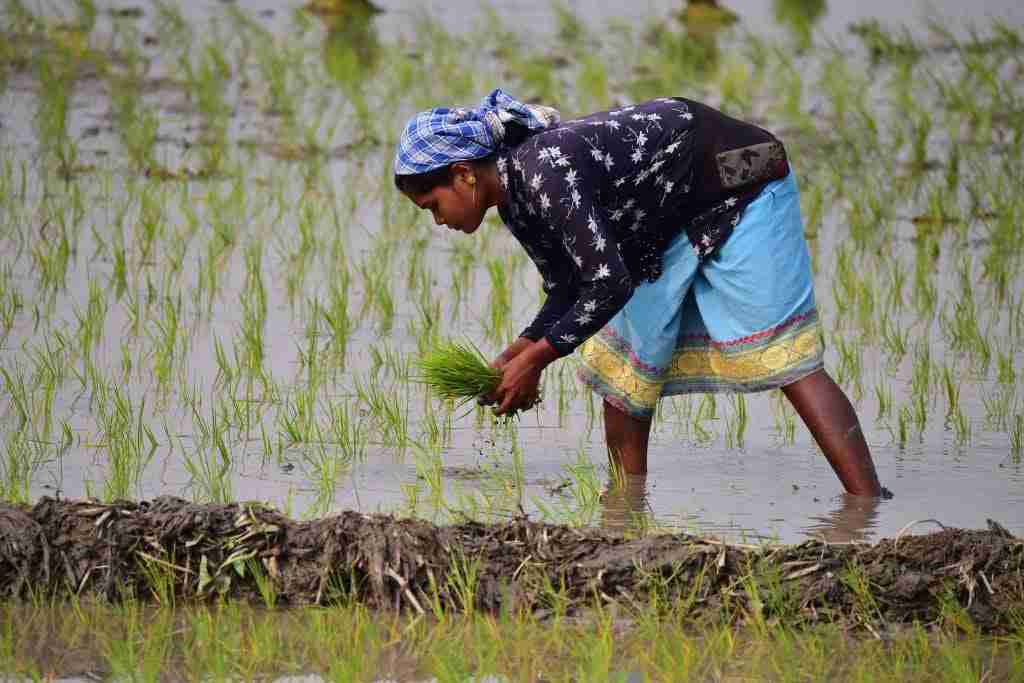
Harnessing Tradition and Innovation in Paddy Cultivation
In the lush, vibrant landscapes where rice paddies sway gently under the sun, the marriage of traditional practices and modern techniques creates a harmonious synergy that enhances the art of cultivation. Farmers imbue their knowledge passed down through generations with contemporary innovations, leading to higher yields and sustainable farming. Techniques such as crop rotation, integrated pest management, and the use of drip irrigation not only preserve the soil’s health but also address the challenges of climate change. This blending of time-honored methods with cutting-edge technology exemplifies how ancient wisdom can inform modern agriculture to meet the demands of an ever-growing population.
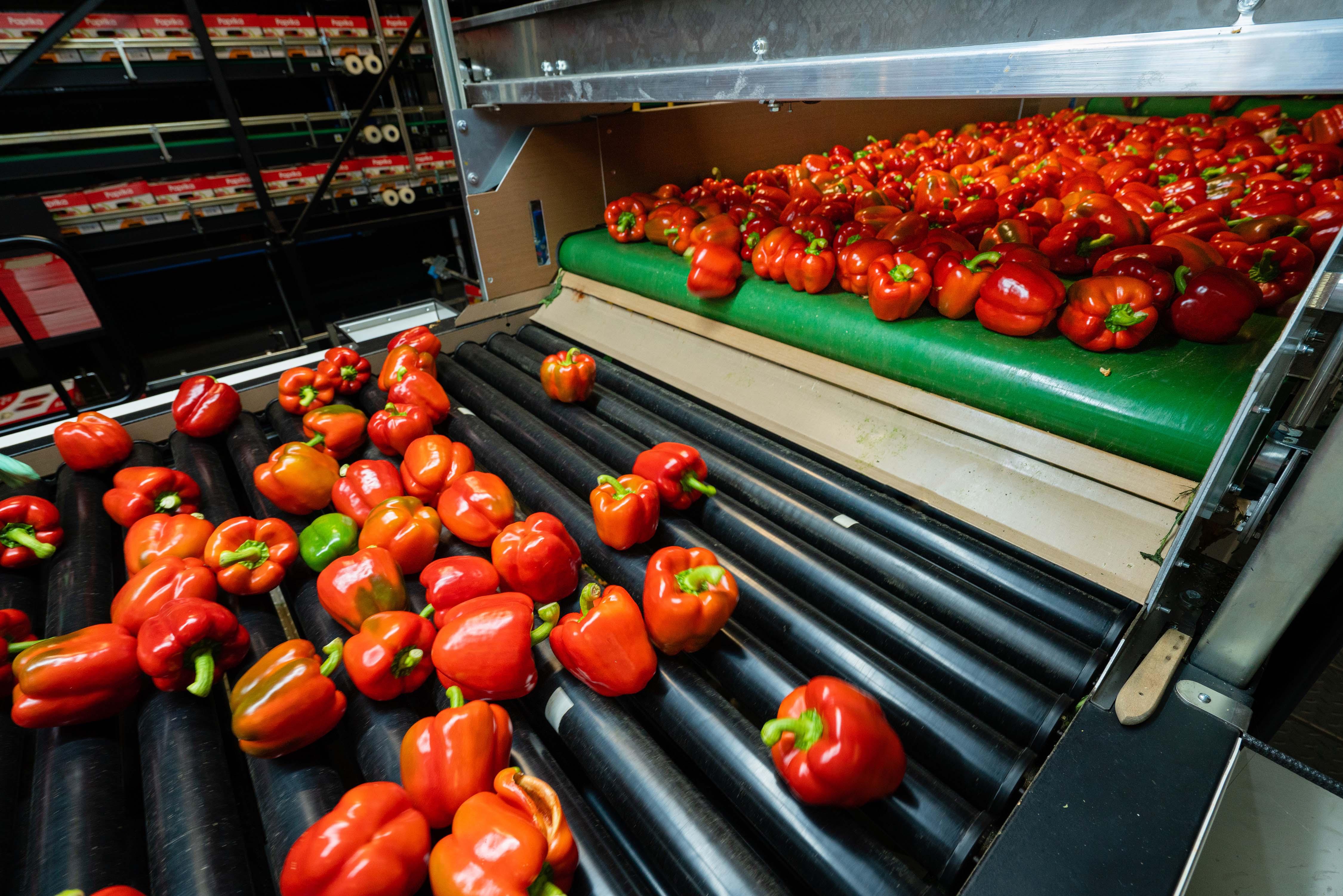
Moreover, the modernization of processing methods has revolutionized the journey of paddy from field to table. Utilizing mechanization alongside traditional milling practices enhances efficiency while preserving the unique flavors and nutritional benefits of rice. Key innovations include automated cleaning systems, parboiling techniques, and value-added processing. These advancements not only increase productivity but also boost marketability. Below is a simple table highlighting the comparison of traditional versus modern rice processing methods:
| Aspect | Traditional Method | Modern Method |
|---|---|---|
| Efficiency | Labour-intensive | High-speed machinery |
| Quality | Consistent flavor | Enhanced preservation |
| Sustainability | Minimal use of chemicals | Optimized resource use |
Understanding the Post-Harvest Journey of Rice
The journey of rice from the field to our plates is a meticulous process that involves several key stages, each playing a crucial role in maintaining the quality and nutritional value of the grain. After harvesting, the rice plants are threshed to separate the grains from the stalks, a practice that can be done manually or with the help of machines. Once the rice is threshed, it undergoes the crucial process of drying to reduce moisture content and prevent spoilage. Key factors in this stage include:
- Temperature: A controlled environment to ensure even drying.
- Humidity: Maintaining low humidity levels to inhibit mold growth.
- Duration: Adequate drying time to achieve optimal moisture levels.
Following drying, the rice grains are hulled to remove the outer husk, revealing the brown rice beneath. This stage can be enhanced by processes such as polishing, which refines the rice further. The rice can then be classified based on its size and quality, ensuring that only the best grains reach consumers. The overall post-harvest journey is tracked through meticulous quality control, often represented as follows:
| Process | Description | Impact on Quality |
|---|---|---|
| Harvesting | Collecting ripe paddy from the fields | Ensures optimal grain quality |
| Drying | Reducing moisture content | Prevents spoilage and enhances shelf-life |
| Hulling | Removing the husk | Reveals edible grains |
| Polishing | Enhancing appearance and texture | Improves marketability |
The Techniques Behind Effective Milling and Processing
Effective milling and processing of paddy require an intricate blend of technology and artistry, tailored to preserve the grain’s quality while maximizing yields. Various techniques contribute to the transformation of raw paddy into a palatable product, each step meticulously designed to enhance texture, flavor, and nutritional value. Among these techniques are:
- Hulling: The initial stage where the outer husk is removed, leaving clean brown rice. This is a delicate process, as excessive force can damage the grain.
- Whitening: Involves polishing the rice to remove the bran layer, which can alter the flavor profile and improve appearance.
- Sorting: Utilizes color sorters and sieves to ensure uniformity and remove any broken grains or foreign materials.
- Parboiling: A technique where paddy is partially boiled before milling, enhancing its nutritional properties and reducing breakage during processing.
A crucial factor in successful milling is the selection of appropriate machinery and technology. For instance, the choice between traditional stone mills and modern roller mills can significantly impact the end product. Each type of mill offers unique advantages and challenges, including:
| Mill Type | Advantages | Challenges |
|---|---|---|
| Stone Mill | Produces nutritious flour with a rustic flavor | Slower processing speed |
| Roller Mill | High efficiency and faster output | Potential for increased heat generation, affecting grain quality |
By blending tradition with innovation, producers can refine their processes, ensuring that the paddy’s journey from field to fork maintains the integrity and flavor every consumer desires.
Maximizing Quality Through Sustainable Practices
In the quest for excellence, integrating sustainability into paddy processing not only enhances the quality of the end product but also contributes significantly to the health of our planet. By adopting eco-friendly practices, producers can ensure that every grain meets rigorous standards while minimizing environmental impact. Techniques such as crop rotation and integrated pest management help in maintaining soil health and reducing chemical usage. These methods not only safeguard the quality of the rice but also promote biodiversity in the farming ecosystem.
Moreover, incorporating renewable energy sources and waste reduction strategies within paddy processing facilities can lead to impressive results. Utilizing solar power or bioenergy can lower operational costs and carbon footprints, ultimately reflecting in the quality of the products processed. A well-structured approach might include:
- Implementing water conservation techniques during irrigation and processing
- Recycling by-products into value-added products
- Cultivating community partnerships to drive sustainable practices
To further demonstrate the impact of these sustainable practices, consider the following comparative overview of conventional vs. sustainable paddy processing methods:
| Aspect | Conventional Methods | Sustainable Practices |
|---|---|---|
| Water Usage | High | Optimized, reduced use |
| Soil Health | Degraded | Improved, organic |
| Energy Source | Fossil fuels | Renewable sources |
These sustainable approaches not only elevate the quality of paddy rice but also ensure a resilient agricultural future, benefitting both producers and consumers alike.
Future Outlook
As we draw the curtain on our exploration of the intricate journey from field to fork in paddy processing, it’s clear that this age-old practice elegantly intertwines both art and science. The meticulous efforts of farmers, the innovation of technology, and the wisdom of tradition all coalesce to bring us this staple food that nourishes countless lives around the globe. Each grain of rice carries with it a story—of dedication, labor, and cultural heritage—reminding us that food is not merely sustenance but a bridge between history and the future.
In understanding the complexities of paddy processing, we gain a deeper appreciation for the hands that cultivate our food and the processes that ensure it reaches our tables. As we savor each bite, let’s celebrate the myriad connections we share through the simple act of eating, honoring the journey that transforms raw grains into a cornerstone of our diets. In this ever-evolving world, let us remain mindful of the delicate balance between tradition and innovation, ensuring that the artistry behind our food continues to thrive for generations to come.



