
From Kernel to Value: Exploring the Art of Corn Processing
In the heart of vast, golden fields, a humble seed transforms into a staple that nourishes the world. Corn, often celebrated for its versatility, holds secrets that extend far beyond the dinner plate. From the rustic charm of traditional farming practices to cutting-edge industrial techniques, the journey from kernel to value embodies an art form that is both time-honored and innovative. This article invites you to delve into the intricate processes that elevate corn to a myriad of products, each with its unique story and significance. Join us as we explore the multifaceted world of corn processing, shedding light on its cultural, economic, and nutritional impacts while celebrating the creativity and craftsmanship behind every bite.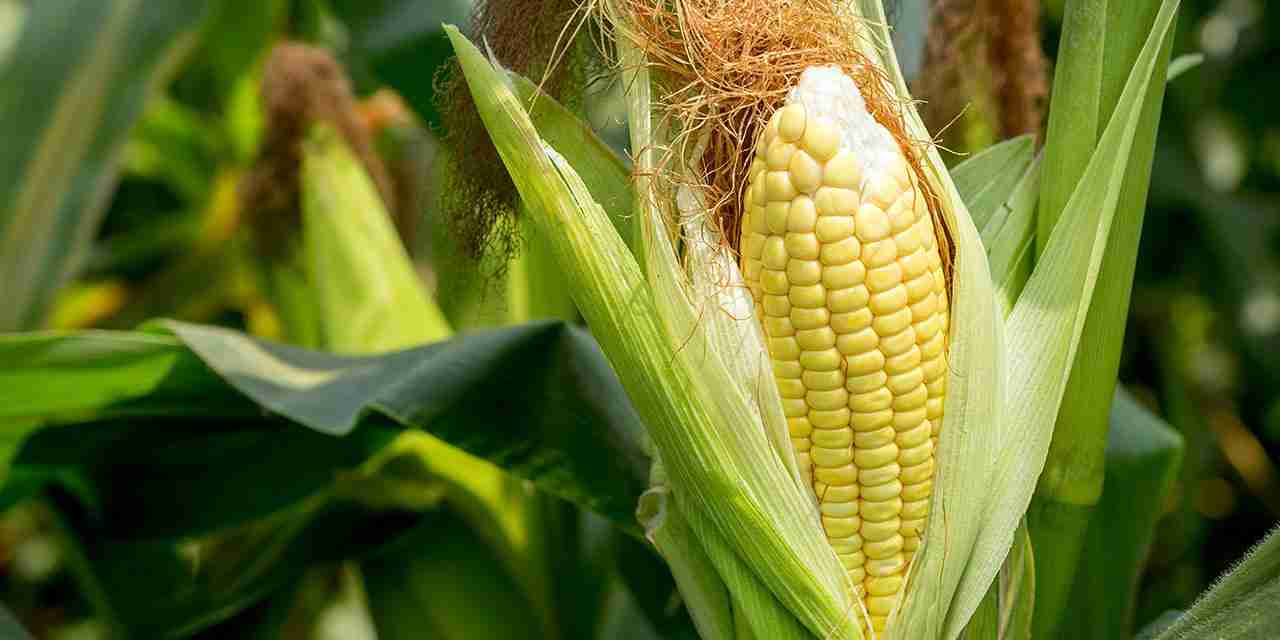
The Journey of Corn: From Field to Flour
The transformation of corn into flour begins with careful cultivation and harvesting. Farmers plant the seeds in well-tilled soil, ensuring optimal conditions for growth. Once the corn is ripe, it is harvested with precision to guarantee maximum yield and quality. Following the harvest, the kernels undergo meticulous cleaning to remove impurities, which is crucial for the quality of the final product. Key steps in this phase include:
- Drying: Reducing moisture content to prevent spoilage.
- Shelling: Separating the kernels from the cob.
- Sorting: Ensuring uniform size and removing any damaged kernels.
Next, the corn kernels are prepared for milling—a process that grinds the corn into a fine powder. Different milling techniques can produce a variety of flour types, each with unique textures and flavors. Key aspects of this stage involve:
- Stone Grinding: Retaining more nutrients and flavor.
- Steel Roller Milling: Achieving a finer, more uniform flour.
- Sieving: Removing bran and germ for pure white flour.
| Flour Type | Texture | Best Uses |
|---|---|---|
| Yellow Corn Flour | Coarse | Tortillas, Polenta |
| White Corn Flour | Fine | Baking, Breading |
| Cornmeal | Medium | Jalapeño Cornbread, Muffins |

Transforming Raw Kernels: Techniques and Innovations
In the journey from raw corn kernels to a myriad of value-added products, a fascinating array of techniques and innovations have emerged. These methods not only enhance the flavor and nutritional profile of corn but also optimize the use of the crop in various industries. Techniques such as wet milling, dry milling, and extrusion cooking serve distinct purposes, each contributing to the transformation of corn into high-value ingredients. Wet milling, for instance, separates the kernels into starches, proteins, and sweeteners, resulting in components widely used in food and beverage production. Dry milling, on the other hand, grinds the whole kernel into flour, which is essential for baking and cooking applications.
In addition to these established methods, new innovations continuously reshape the landscape of corn processing. The introduction of enzymatic treatments enables more efficient starch conversion, leading to increased yields of biofuels and other products. Meanwhile, bioengineering offers exciting possibilities for developing corn varieties that can be processed into specific, high-value items targeting dietary needs or enhancing health benefits. With the use of advanced preservation techniques, processors can ensure longer shelf lives, maintaining the quality of corn-based products. The integration of technology in this sector illustrates an adaptability that maximizes economic value while minimizing waste.
| Technique | Use | Benefit |
|---|---|---|
| Wet Milling | Starch, Sweeteners | High precision separation |
| Dry Milling | Corn Flour | Versatile ingredient for cooking |
| Extrusion Cooking | Snacks, Breakfast Cereals | Enhanced texture and flavor |
| Enzymatic Treatments | Biofuels, Sweeteners | Increased efficiency and yield |
| Bioengineering | Health Foods | Targeted nutritional benefits |

Nutritional Benefits and Culinary Versatility of Processed Corn
The nutritional profile of processed corn is as rich and varied as the methods of preparation that bring it to our plates. Corn is notably a great source of complex carbohydrates, offering a steady energy release essential for daily activities. Beyond carbs, it’s packed with fiber, which promotes digestive health and helps maintain a feeling of fullness. Vitamins and minerals found in corn, such as B vitamins, magnesium, and potassium, contribute to overall wellness. Moreover, the processing techniques enhance certain nutrients, making them more bioavailable. For instance, nixtamalization, a traditional process where corn is soaked in lime, not only improves its flavor but also boosts the availability of niacin, reducing the risk of deficiency in populations that rely heavily on corn as a dietary staple.
Beyond its nutritional advantages, processed corn showcases incredible culinary versatility. From polenta to corn tortillas, the methods of transforming corn kernel open up a world of flavors and textures. Here are some popular processed corn products and their typical uses in cuisine:
| Product | Common Uses |
|---|---|
| Cornmeal | Used in baking, battering, or as a thickening agent. |
| Popcorn | A popular snack and ingredient for various seasonings. |
| Corn syrup | Sweetener in candies, beverages, and baked goods. |
| Hominy | Key ingredient in dishes like posole and grits. |
| Corn starch | Used as a thickener in sauces and soups. |
This diversity not only caters to varying tastes but also fits into numerous dietary preferences, making processed corn a truly invaluable ingredient in global kitchens.

Sustainable Practices in Corn Processing: The Future of the Industry
The evolution of corn processing is being shaped increasingly by sustainable practices that are redefining the relationship between agriculture and industry. The integration of eco-friendly technologies not only enhances the efficiency of corn processing but also minimizes the environmental footprint. Corn processors are adopting innovative solutions such as:
- Water Management Techniques: Utilizing closed-loop systems to recycle water, reducing overall consumption.
- Biogas Production: Harnessing waste from corn processing to generate renewable energy, which can power operations.
- Sustainable Sourcing: Partnering with local farmers who adhere to regenerative agriculture practices, ensuring a healthier ecosystem.
Furthermore, the industry’s shift towards cradle-to-cradle methodologies showcases a commitment to long-term sustainability. By rethinking the lifecycle of corn—from cultivation to processing and packaging—companies are exploring approaches such as:
- Minimal Waste Practices: Implementing processes that convert byproducts into valuable goods, like animal feed or bioplastics.
- Eco-Labeling: Encouraging transparency and consumer awareness about the sustainability of corn products.
- Fair Trade Initiatives: Ensuring fair compensation for farmers while promoting sustainable agricultural practices.
The Conclusion
As we conclude our journey through the intricate world of corn processing, it’s clear that this simple, golden kernel holds far more than meets the eye. From the sun-kissed fields to the bustling processing facilities, the transformation of corn into a variety of value-added products illustrates the remarkable synergy between nature and innovation. Each step—from grinding to fermenting, from sweetening to milling—reveals not only the versatility of corn but also the artistry behind its utilization.
In exploring the myriad ways we can unlock the potential of this humble grain, we gain a deeper appreciation for its role in our diets, economies, and diverse cultures. The corn we cultivate today is not merely a crop; it is a conduit through which we connect with tradition, sustainability, and creativity in food science. As we move forward, embracing advancements in processing techniques and sustainable practices, the narrative of corn continues to unfold, promising a future rich in flavor, nutrition, and value.
Thank you for joining us on this exploration of corn’s potential. May it inspire you to appreciate the next ear of corn you encounter—not just as a staple of our meals, but as a testament to human ingenuity and the endless possibilities that lie within.



