
In the heart of agricultural innovation, a silent revolution is reshaping the landscape of food production — one grain at a time. As global populations swell and the demand for sustainable food sources rises, the humble grain takes center stage in the quest for efficiency and quality. Specifically, rice, a staple for billions, is benefitting from cutting-edge processing technology that not only enhances the quality of this vital resource but also aligns with modern sustainability goals. Enter the modern rice processing machine: a remarkable blend of engineering and ingenuity designed to streamline every stage of rice production. This article will explore the transformative capabilities of these machines, their impact on the agricultural industry, and how they are paving the way for a more sustainable future, all while honoring the rich traditions of rice cultivation that have fed civilizations for millennia. Join us as we delve into the mechanics and innovations that are revolutionizing grain processing and, by extension, the world’s food systems.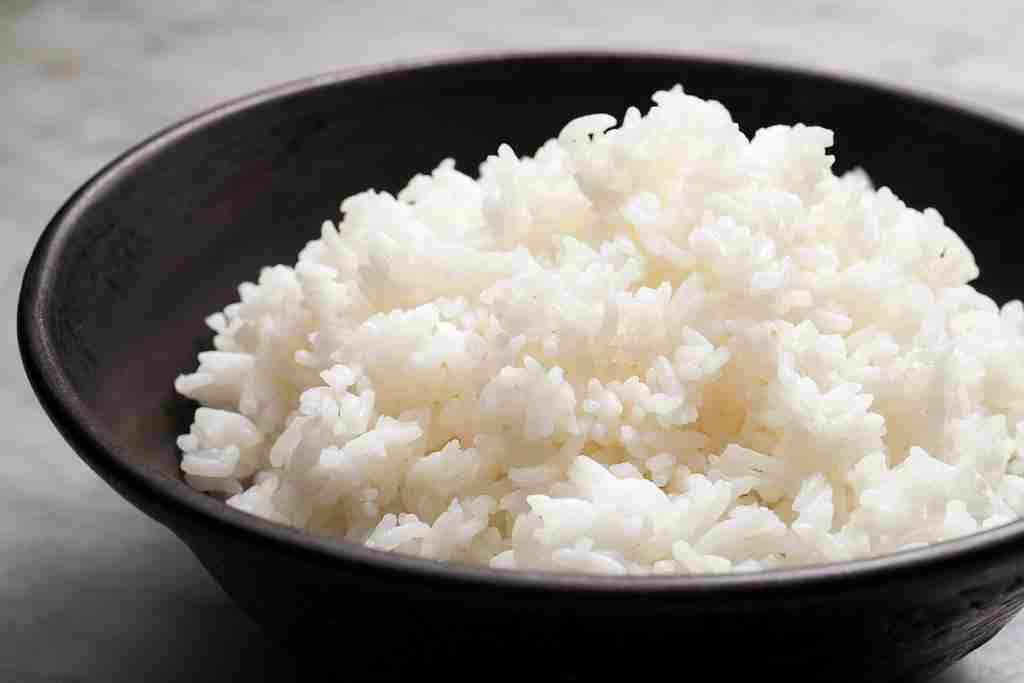
Understanding the Evolution of Rice Processing Technology
The journey of rice processing technology has undergone significant transformations over the centuries, beginning with rudimentary methods in ancient civilizations and evolving into today’s sophisticated machinery. Early rice processing was predominantly labor-intensive and relied on manual techniques, which often involved pounding rice grains with mortar and pestle. As societies advanced, so did their tools – transitioning to simple mechanical devices that utilized water wheels and animal power. This evolution not only improved efficiency but also enhanced the quality of the rice produced. Among such innovations, husking machines emerged in the late 19th century, revolutionizing methods for removing husks and paving the way for further advancements.
As the demand for rice grew globally, the integration of technology became critical. Today, modern rice processing machines employ advanced techniques to separate, clean, and polish rice with remarkable precision. These machines incorporate features such as:
- Automated sorting systems that utilize optical sensors to ensure uniform grain quality.
- Husking and milling functions that minimize breakage, providing higher yields.
- Integrated drying systems that help in maintaining optimal moisture levels.
To provide a clearer understanding, the following table outlines key features of traditional versus modern rice processing methods:
| Feature | Traditional Methods | Modern Methods |
|---|---|---|
| Labor Intensity | High | Low |
| Processing Time | Hours | Minutes |
| Grain Quality | Variable | Consistent |
This technological evolution not only underscores a leap towards efficiency but also illustrates the importance of adapting agricultural practices to meet contemporary demands. With ongoing advancements in artificial intelligence and machine learning, the future of rice processing technology will likely continue to evolve, ensuring sustainability and maximizing output whilst preserving the integrity of this staple food source.

Key Features and Innovations of Modern Rice Processing Machines
Modern rice processing machines have undergone a remarkable transformation, incorporating cutting-edge technology that enhances efficiency and quality. Among the most notable features is automated sorting, which utilizes optical sensors and advanced imaging systems to detect and remove impurities, ensuring only the highest quality rice is processed. Additionally, energy-efficient designs have been integrated, allowing producers to lower their operational costs significantly while minimizing their environmental impact. Other features like real-time monitoring systems provide timely insights into performance metrics, enabling operators to maintain optimal efficiency and make data-driven decisions on-the-fly.
Moreover, these machines are equipped with smart controls that facilitate user-friendly interfaces, allowing users to program and monitor processing stages with ease. The advancements in mechanical processing mean that husking, milling, and polishing can be completed more swiftly and uniformly, leading to a higher yield of quality milled rice. Furthermore, innovations like modular design enable manufacturers to customize machines according to specific production needs, making it possible to scale up operations seamlessly. For a visual comparison of traditional versus modern rice processing machines, refer to the table below:
| Feature | Traditional Machines | Modern Machines |
|---|---|---|
| Sorting Technology | Manual or basic mechanical | Automated optical sorting |
| Energy Efficiency | High energy consumption | Low energy usage |
| Monitoring Capabilities | No monitoring | Real-time data tracking |
| Design Flexibility | Fixed components | Modular and customizable |
Enhancing Efficiency and Sustainability in Grain Production
In an era where efficiency and sustainability intertwine seamlessly, the modern rice processing machine emerges as a game-changer. These machines incorporate cutting-edge technology that not only enhances productivity but also minimizes environmental impact. By optimizing every stage of rice processing, from milling to packaging, these machines enable producers to achieve a higher yield with fewer resources. This transformation is made possible through features such as:
- Energy-efficient motors that consume less power while delivering consistent performance.
- Waste reduction systems that effectively manage byproducts, turning potential waste into compost or energy sources.
- Automated processes that streamline operations, reducing labor costs and human error.
Moreover, the integration of smart technologies, such as IoT sensors and data analytics, allows producers to monitor and adjust processes in real-time, further enhancing efficiency. By adopting a precision farming approach, grain producers are equipped to make informed decisions, not just for immediate gains but also for future sustainability. Consider the impact of these innovations illustrated in the following table:
| Aspect | Traditional Method | Modern Processing Machine |
|---|---|---|
| Energy Consumption | High | Low |
| Waste Generation | Significant | Minimal |
| Labor Requirement | Extensive | Reduced |
By embracing these advancements, grain producers are not only enhancing the quality and quantity of their output but also playing a vital role in fostering an agricultural landscape that prioritizes both economic and environmental sustainability.
Future Trends and Recommendations for Rice Processing Industry
The rice processing industry stands on the cusp of innovation, where technology meets sustainability to usher in a new era of efficiency. As consumer demands evolve towards quality and transparency, integrated processing solutions are set to dominate the landscape. Emerging technologies such as AI-driven quality control, smart automation, and sustainable energy sources will reshape production processes. Key trends that may define the future include:
- Automation: The rise of robotics and automated systems will streamline operations, reducing labor costs while enhancing accuracy.
- Sustainability: Eco-friendly practices, including waste reduction and energy efficiency, will become paramount, encouraging the use of biodegradable materials.
- Data Analytics: Leveraging big data to track yields, optimize processes, and forecast market trends will empower producers to make informed decisions.
To stay competitive, stakeholders must adapt to these emerging trends. Innovations in machinery, such as advanced milling techniques and improved husking methods, will enhance output quality and reduce overhead costs. It’s advisable to invest in training programs to upskill workers on these modern technologies, fostering a tech-savvy workforce prepared for tomorrow’s challenges. Additionally, leveraging social media and e-commerce platforms can create direct-to-consumer channels, enhancing market reach. As the industry embraces these transformations, collaboration among producers, technology developers, and regulatory bodies will be essential for creating a resilient future.
| Trend | Description |
|---|---|
| Automation | Incorporation of robots for improved efficiency and reduced production costs. |
| Sustainability | Adoption of eco-friendly practices to lessen environmental impact. |
| Data-Driven Decisions | Using analytics for enhancing operational performance and market predictions. |
Key Takeaways
As we draw the curtain on our exploration of modern rice processing machines, it becomes evident that these innovative technologies are not merely enhancing efficiency; they’re fostering a new era in agricultural practices. By integrating cutting-edge automation with age-old traditions, these machines are bridging the gap between time-honored methods and the demands of contemporary food systems.
The revolution in grain processing signifies more than just a leap in productivity; it represents a commitment to sustainability, quality, and food security in an ever-evolving world. As we move forward, the ongoing advancements in rice processing will undoubtedly play a crucial role in feeding a growing population while preserving the planet’s resources.
the journey of rice, from field to table, is being redefined, ensuring that this staple remains a source of nourishment and culture for generations to come. As technology continues to evolve, we can only anticipate further transformations in how we grow, process, and enjoy our food. Let us embrace these advancements, honoring tradition while welcoming a future rich with possibilities.



