
Unlocking Grain Potential: The Essential Rice Milling Unit
In the heart of agrarian economies worldwide, where lush fields sway under the golden sun, lies the humble but transformative grain that has been a staple for millennia: rice. As both a dietary cornerstone and a cultural symbol, rice stands testament to the ingenuity of humankind in harnessing nature’s bounty. Yet, to bring rice from paddy to plate, a crucial step must be taken—one that often goes unnoticed but is vital in unlocking its full potential: the rice milling unit. This article delves into the intricate world of rice milling, exploring how this essential process not only preserves the grain’s nutritional value and taste but also empowers farmers and communities. By understanding the rice milling unit’s role, we can appreciate the foundational work that turns raw grain into a global commodity, bridging the gap between agricultural efforts and the culinary delights that grace tables around the world. Join us as we embark on a journey to uncover the mechanics, impact, and significance of rice milling in our interconnected world.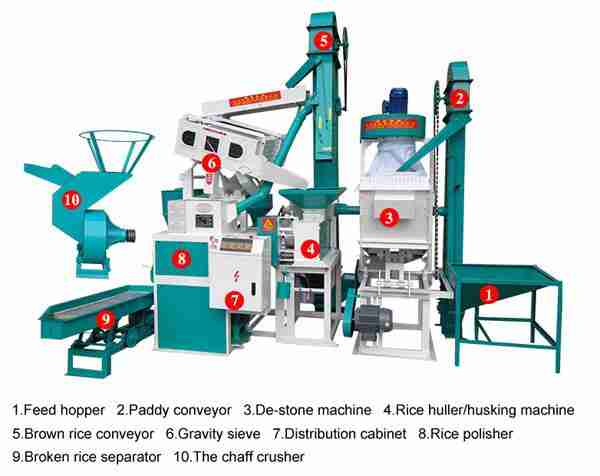
Exploring the Mechanics of Rice Milling Units for Enhanced Grain Quality
The rice milling process is crucial to enhancing the quality of the grains, transforming paddy into a market-ready product while preserving its nutritional integrity. A well-structured milling unit employs several key mechanisms, which include:
- Dehusking: Removing the outer husk from the paddy grain without damaging the rice kernel.
- Polishing: Enhancing the aesthetic appeal and removing residual bran for a more refined product.
- Grading: Sorting the milled rice by size and quality to ensure consistency in the final output.
- Blending: Combining different grades of rice to meet market demands and improve profitability.
Each of these steps not only contributes to the quality of the final product but also impacts its overall market value. The right design and maintenance of equipment can greatly influence throughput and minimize grain breakage, ensuring an optimal milling yield.
Incorporating advanced technologies such as sensor-based monitoring and automation can improve precision in the milling process. This aids in achieving consistent results and reduces human error. Additionally, implementing robust quality control measures throughout the milling stages, from cleaning to packaging, helps in detecting any inconsistencies early on. Below is a table summarizing some important features of effective rice milling units:
| Feature | Benefit |
|---|---|
| High Efficiency Dehusking | Minimizes breakage and enhances grain recovery |
| Automated Polishing Equipment | Ensures uniform quality across batches |
| Grading Systems | Maximizes market value through proper classification |
Investing in high-quality rice milling units can unlock the true potential of grains and deliver significant advantages in the competitive agro-industrial landscape.
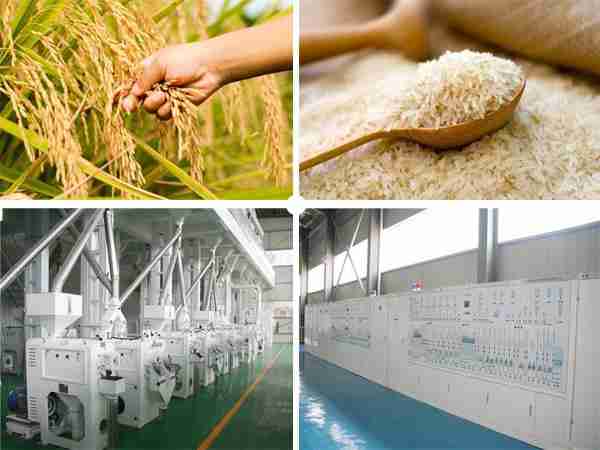
Key Factors Influencing the Efficiency of Rice Milling Processes
The efficiency of rice milling processes can be significantly influenced by a multitude of factors that intertwine technology, management, and environmental conditions. Milling technology plays a pivotal role; modern milling units that incorporate precision machines can reduce grain breakage and enhance overall yield. Factors such as the quality of paddy rice, including its moisture content and initial cleanliness, directly impact the milling process’s efficiency, as higher quality inputs lead to better outputs. Additionally, the maintenance and calibration of milling equipment are crucial; regularly serviced machines ensure optimal performance and prevent downtimes that can affect production schedules.
Furthermore, various operator skills and training contribute to refining the milling process. Adequately trained personnel can optimize machine settings and respond adeptly to challenges that arise during milling. Environmental factors, including humidity and temperature, also play a significant role in the milling workflow. When conditions are favorable, the milling process tends to yield a higher percentage of well-polished rice. Ultimately, understanding and managing these elements can drastically improve the efficiency and output quality of the rice milling operation, helping unlock the full potential of this essential grain.
| Factor | Influence on Efficiency |
|---|---|
| Milling Technology | Reduces grain breakage and boosts yield |
| Paddy Quality | Higher quality leads to better outputs |
| Maintenance | Ensures consistent performance and fewer downtimes |
| Operator Skills | Enhances optimal machine settings and response |
| Environmental Conditions | Affects the milling workflow and final product quality |
Best Practices for Maintaining and Upgrading Your Rice Milling Unit
To ensure the longevity and efficiency of your rice milling unit, regular maintenance is crucial. Scheduled checks on the machinery are essential for preventing potential breakdowns and ensuring continuous operation. Key maintenance practices include:
- Daily cleaning of the equipment to remove husks and other debris.
- Lubricating moving parts weekly to reduce wear and tear.
- Inspecting belts and pulleys for signs of wear; replace them promptly to avoid operational failures.
- Calibrating machine settings, such as the pressure for milling, to achieve optimal output.
- Monitoring energy consumption to identify inefficiencies that can be corrected.
When it comes time for upgrades, consider technologies that enhance automation and increase energy efficiency. Investing in high-tech components can yield significant returns. Key upgrade considerations should include:
- Upgrading to digital controls that allow for precise adjustments and monitoring.
- Implementing advanced milling technologies, such as optical sorting for removing impurities.
- Integrating software solutions for inventory management and operational analytics.
- Expanding storage solutions to accommodate increased output and improve logistics.
| Maintenance Task | Frequency | Importance |
|---|---|---|
| Cleaning | Daily | High |
| Lubrication | Weekly | Medium |
| Calibration | Monthly | High |
Sustainable Innovations in Rice Milling: A Pathway to Future Growth
As the global demand for rice continues to soar, integrating sustainable practices into rice milling has become a necessity rather than a choice. Innovations in this sector focus on reducing environmental impact while enhancing efficiency. Adoption of energy-efficient machinery and techniques can significantly lower carbon footprints. Innovations such as solar-powered milling units and biomass fuel systems not only harness renewable energy sources but also provide cost-effective solutions for millers. Additionally, the implementation of water recycling systems helps manage and reduce the consumption of this critical resource during processing.
Furthermore, advancements in milling technology are revolutionizing the quality of rice while minimizing waste. Adoption of techniques that enhance the extraction of whole grains ensures maximum yield without compromising nutritional value. By employing automated sorting systems and advanced milling machines, operators can achieve higher precision and efficiency, fostering better product outcomes. The integration of real-time data analytics also plays a pivotal role, allowing mill operators to monitor performance and make informed adjustments to optimize resource use.
| Innovation | Benefits |
|---|---|
| Solar-Powered Units | Reduced energy costs, lower emissions |
| Biomass Fuel Systems | Utilizes waste, promotes sustainability |
| Water Recycling Systems | Conserves water, reduces pollution |
| Automated Sorting Systems | Enhances precision, decreases waste |
| Data Analytics Integration | Optimizes production, improves efficiency |
Wrapping Up
As we conclude our exploration of the essential rice milling unit and its vital role in unlocking grain potential, it’s clear that this seemingly simple machinery embodies a world of intricacies and innovations. From enhancing grain quality to supporting local economies, rice milling is more than just a process; it’s a lifeline for many communities reliant on this staple crop. As technology continues to evolve, so too will the methods and efficiencies of milling, paving the way for farmers and consumers alike to reap the benefits of improved yield and nourishment.
In a time when food security is paramount, understanding the mechanisms that transform raw grains into nourishing staples is essential. The rice milling unit stands at the forefront of this endeavor, serving as a bridge between harvest and sustenance. As we move forward, let us appreciate the pivotal role these units play—not just in the art of milling, but in feeding a growing world. With the right investments and innovations, we can continue to unlock the full potential of grain, ensuring that everyone has access to the nourishment they need to thrive.



