
From Field to Plate: Unveiling the Rice Processing Journey
Rice, a staple food for more than half of the global population, is often celebrated for its simplicity and versatility. Yet, the journey it undertakes from the lush green fields to our dinner tables is far from straightforward. It is a path marked by tradition, innovation, and meticulous care. In this article, we will explore the intricate process of rice production, beginning with the cultivation of the grain and tracing its steps through harvesting, milling, and packaging. By shedding light on the various stages of rice processing, we aim to deepen our appreciation for this vital crop and the efforts that transform it into the nourishing meals we enjoy every day. Join us as we unveil the remarkable journey of rice—from field to plate.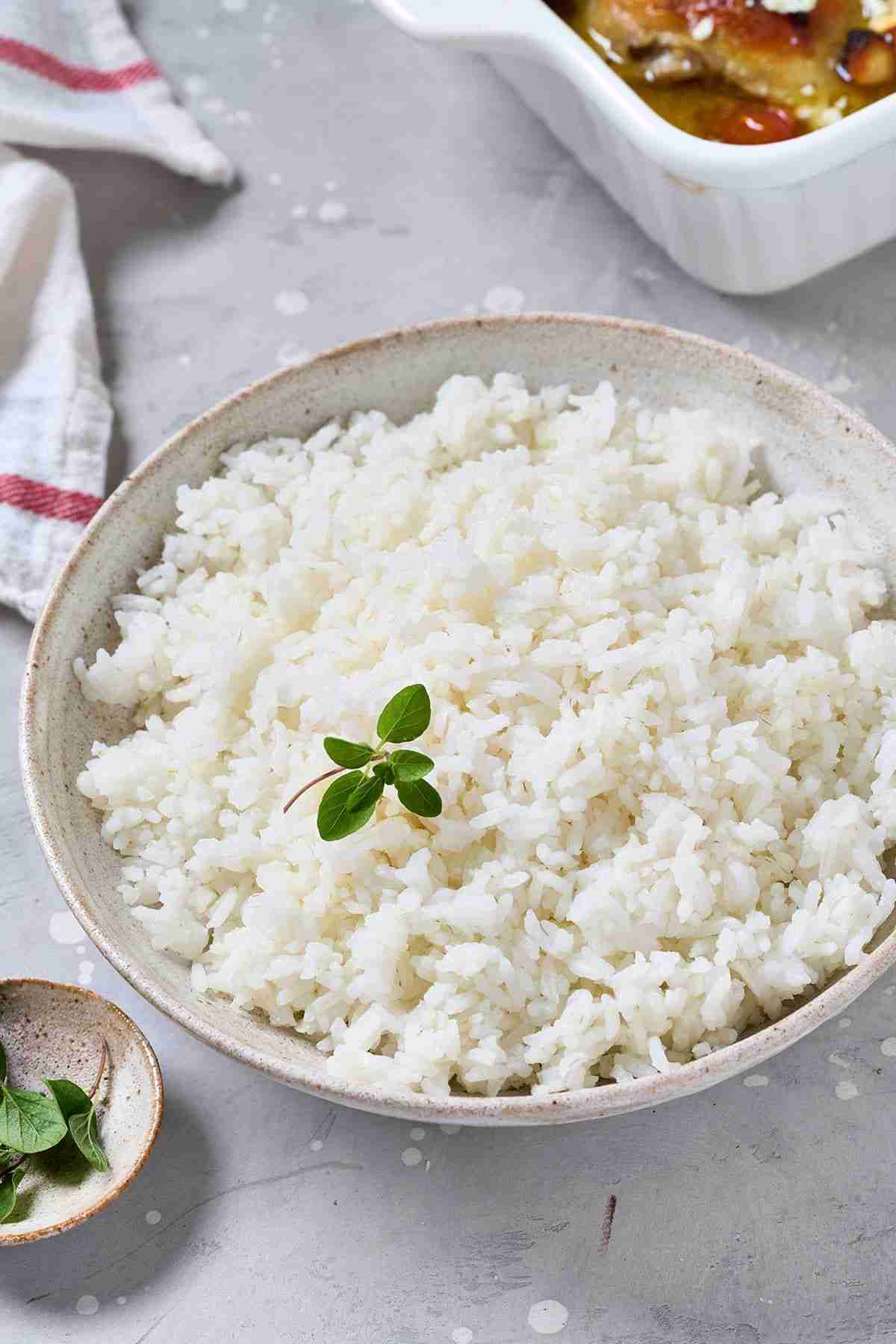
Understanding the Life Cycle of Rice from Harvest to Consumption
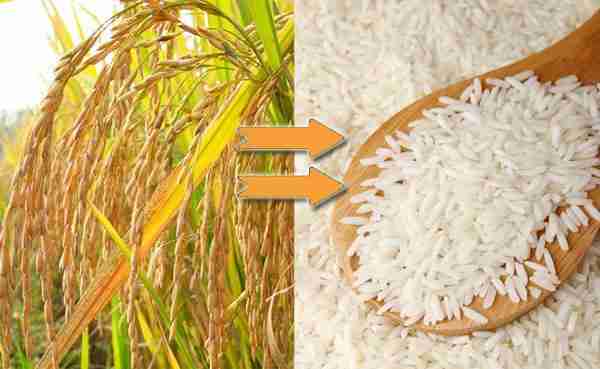
The journey of rice from the field to our plates is a delicate tapestry woven through time and culture, involving meticulous steps that transform the grain into the staple we cherish. After the harvest, which typically occurs when the grains reach maturity, the rice is threshed to separate the grains from the stalks. The threshing process is crucial; it can be done manually or with machines. Once separated, the rice undergoes drying, a critical step to reduce moisture content and prevent spoilage. This involves spreading the rice in the sun or utilizing modern drying equipment, ensuring it remains safe for storage and transport.
Subsequently, the next phase involves milling, where the husk is removed to yield brown rice. Further processing leads to polishing, yielding white rice, which is more appealing and has a longer shelf life. This transformation not only enhances texture but also alters nutritional content. After milling, the rice is graded and packaged, ready for distribution. On reaching retail outlets, rice becomes a versatile ingredient for various cuisines—be it a comforting bowl of risotto or a vibrant stir-fry. A simple exploration of the rice processing journey unfolds layers of traditions and innovations that culminate in the delightful meals we savor.
Navigating the Key Stages of Rice Processing for Optimal Quality
Rice processing is a meticulous journey that transforms raw grains into the nourishing staple millions depend on. This journey is divided into several critical stages, each playing a vital role in ensuring the quality and safety of the final product. The process begins with harvesting, where perfectly matured rice is cut from the fields. This is followed by threshing, which separates the rice grains from the stalks, enhancing the efficiency of the subsequent steps. Each technique and tool used during these initial stages contributes to minimizing damage and preserving grain integrity.
Following threshing, the rice enters the vital stage of drying. Here, moisture content is carefully controlled to prevent spoilage during storage. The grains are then subjected to milling, which includes husking, polishing, and grading. Each of these sub-processes further impacts the rice’s texture and flavor. The final stage involves packaging, where rice is carefully weighed and sealed to ensure freshness. By focusing on these key stages, producers can guarantee that every grain that reaches your plate meets the highest standards of quality and taste.
Sustainable Practices in Rice Production and Processing
In the pursuit of sustainable rice production, farmers and organizations alike have adopted innovative techniques that not only enhance yield but also protect the environment. Practices such as integrated pest management and crop rotation help reduce reliance on harmful chemicals and improve soil health. Rice farmers are increasingly embracing precision agriculture technologies, which utilize soil sensors and satellite imagery to optimize input usage. By doing so, they ensure that water and fertilizers are applied more efficiently, significantly lowering their environmental footprint. Additionally, incorporating traditional practices like winter cover cropping can bolster biodiversity and improve soil structure, thus promoting a more resilient farming system.
Beyond the fields, the processing stage of rice production is undergoing a transformation. Milling facilities are now focusing on energy-efficient technologies that minimize waste and emissions. For instance, using solar energy to power milling operations not only reduces costs but also supports renewable energy initiatives. Furthermore, implementing water recycling systems in processing plants ensures that water is conserved and reused, exemplifying a commitment to sustainability. To illustrate the impact of these practices on carbon emissions, consider the following table:
| Practice | Impact on Carbon Emissions |
|---|---|
| Solar Energy in Milling | Reduces emissions by 30% |
| Water Recycling | Conserves 50% of fresh water |
| Precision Agriculture | Decreases fertilizer use by 20% |
These advancements not only ensure a more sustainable future for rice production but also highlight the importance of responsible practices throughout the entire journey, from planting to consumption.
Enhancing Nutritional Value: Innovative Techniques in Rice Preparation
The journey of rice from field to plate involves not just harvesting and milling but also innovative techniques that can significantly enhance its nutritional profile. Modern preparation methods have taken center stage, enabling consumers to enjoy rice that is not only tasty but also packed with essential nutrients. Techniques such as parboiling and soaking have been widely adopted, which allow for better nutrient retention during cooking. In parboiling, the grains are steamed while still in their husks, resulting in less nutrient loss and improved texture. Soaking rice before cooking can also facilitate the leaching of phytic acid, a compound that inhibits mineral absorption, thereby making the nutrients more bioavailable to the body.
Moreover, advancements in processing technology have led to the development of fortified rice, which is enriched with vitamins and minerals. This method provides a simple solution to combat micronutrient deficiencies in many populations. A few key techniques that enhance the nutritional value of rice include:
- Fermentation: Boosts the probiotic content, promoting gut health.
- Blending: Mixing rice with whole grains or legumes increases fiber and protein intake.
- Sprouting: Enhances enzyme activity, increasing vitamins and minerals.
| Nutritional Technique | Benefits |
|---|---|
| Parboiling | Retains more nutrients and improves texture. |
| Fortification | Addresses micronutrient deficiencies. |
| Fermentation | Enhances gut health through probiotics. |
Closing Remarks
As we reach the end of our exploration into the intricate journey of rice from field to plate, it becomes clear that this seemingly simple grain carries with it a rich tapestry of history, labor, and innovation. Each grain tells a story, woven together by the hands of farmers, processors, and culinary artists alike. Understanding this journey not only deepens our appreciation for rice as a staple food but also connects us to a broader ecosystem of agriculture and sustainability.
From the sun-kissed fields where rice takes root, to the bustling mills where it is polished and packaged, and finally to the warmth of our dining tables, every step along the way is a reminder of the delicate balance between nature and nurture. The next time you savor a bowl of rice, consider the voyage it undertook—from the earth to your fork—and recognize the countless efforts involved in bringing this essential nourishment to your table.
In today’s fast-paced world, it’s easy to overlook the origins of our food. But as we strive for a more mindful approach to eating, embracing the full journey of our ingredients can enrich our culinary experiences. So, let us celebrate not just the finished dish, but the story behind it—one that inspires a deeper connection to the land and the collective effort required to sustain our tables.



